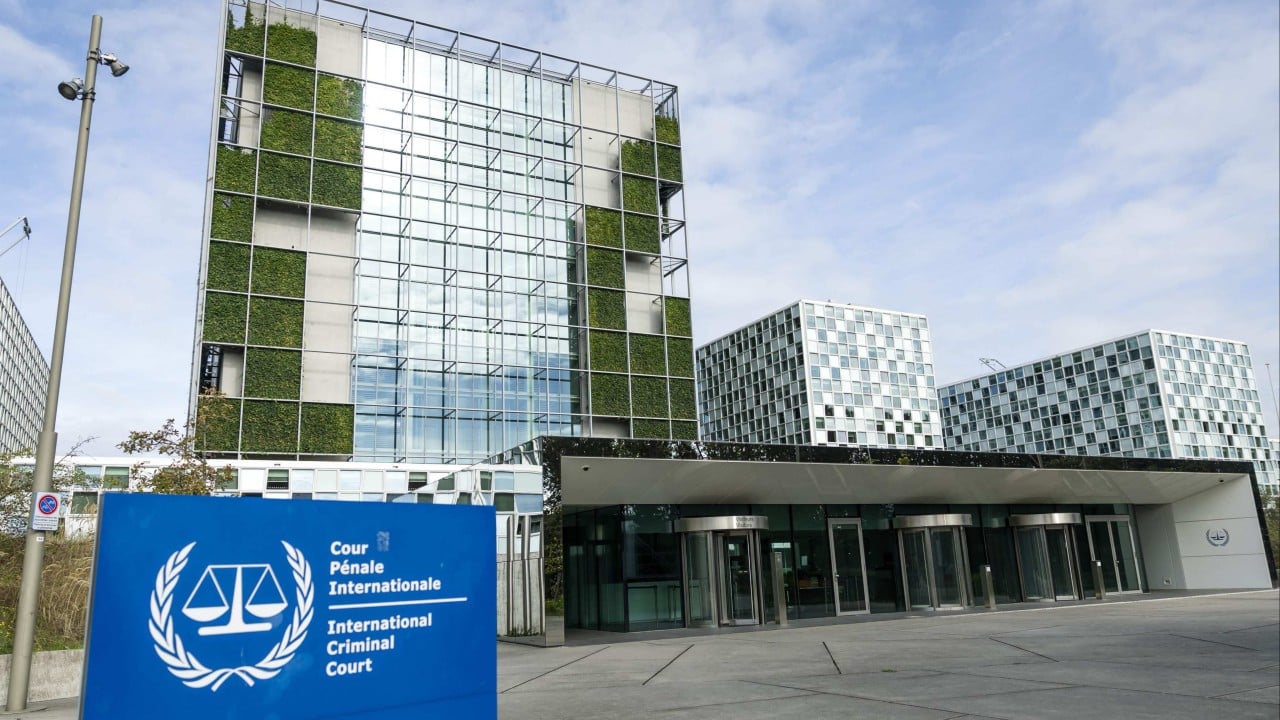
Washington just handed out a masterclass in how to panic publicly while trying to look like a superpower. The White House slamming fresh sanctions down on the International Criminal Court just hours after a former judge scooped up a Nobel Peace Prize is not strength. It is the tactical flailing of a superpower realizing its diplomatic monopoly is completely finished.
The mainstream media narrative wants you to believe this is just standard geopolitical posturing, a predictable clash between American sovereignty and overreaching global jurists. That is lazy consensus for people who refuse to look at the machinery underneath. The real story is much simpler and far more uncomfortable for the West: the ICC is no longer just a court for minor dictators in developing nations; it has started applying international law to actual major players and their allies. That crosses the invisible red line Washington drew decades ago.
The Myth of Exceptionalism
For thirty years, the reigning assumption in foreign policy circles has been that international tribunals are useful tools for punishing America's enemies while remaining blind to its own geopolitical maneuvers or those of its closest partners. When the court sticks to prosecuting war crimes in regions where Western capitals hold no direct strategic stakes, it gets funded, praised, and quietly cited as proof of a rules-based international order.
The moment those same legal standards turn inward toward allies or touch upon Washington's strategic backyard, the entire architecture of global justice gets labeled an illegitimate kangaroo court. This double standard has a shelf life, and it expired the day an international legal figure was handed a Nobel prize while the State Department scrambled to draft asset freezes. You cannot champion the rule of law globally while simultaneously demanding an eternal veto for your own military actions. That is not sovereignty; that is global feudalism with better public relations.
Sanctioning judges, investigators, and court administrators does nothing to refute the underlying legal arguments. It merely signals that the world's self-appointed sheriff is willing to burn down the local courthouse the moment a judge signs a warrant it dislikes.
What the Pundits Miss About Global Power Shifts
Commentators on cable news keep framing these sanctions as a defensive maneuver to protect American service members from politically motivated prosecution. Look closer at the actual mechanics of the court's jurisdiction. The ICC operates on complementarity; it only steps in when domestic legal systems demonstrably fail or refuse to investigate core atrocities. If a state has a functioning, independent military justice system that genuinely holds its own accountable, the ICC has zero legal standing to interfere.
The fear in Washington is not that American troops will face unfair trials. The real terror is that independent jurists are mapping out systemic command-responsibility chains that go all the way to the top of modern defense establishments. When legal accountability threatens to bypass political immunity, the defense mechanisms of empire kick into overdrive.
Let us be entirely honest about the downside of this contrarian reality: a fractured global legal order creates immense diplomatic instability. When superpowers openly wage economic and judicial war against international tribunals, smaller nations notice. They see that rules apply exclusively to the weak, accelerating a race toward regional armor-plating, bilateral transaction models, and the abandonment of multilateral diplomacy altogether.
The Unspoken End Game
Throwing economic sanctions at a judicial institution does not make the warrants disappear. It does not erase the evidence. It only permanently shatters the illusion that Western powers care about international jurisprudence as anything other than a weapon to wield against adversaries.
Every time a treasury department official signs a sanctions waiver targeting a war crimes investigator, trust in the global financial system erodes just a little bit more. Other capitals watch these moves and realize that dollar hegemony can and will be weaponized to shield allies from accountability. That realization is precisely what is driving the rapid fragmentation of the global economy today.
Washington thinks it is punishing an overreaching court. In reality, it is broadcasting its own insecurity to an audience that is rapidly learning how to live without its permission.
The court will survive the sanctions. The moral authority of the superpower issuing them might not.


