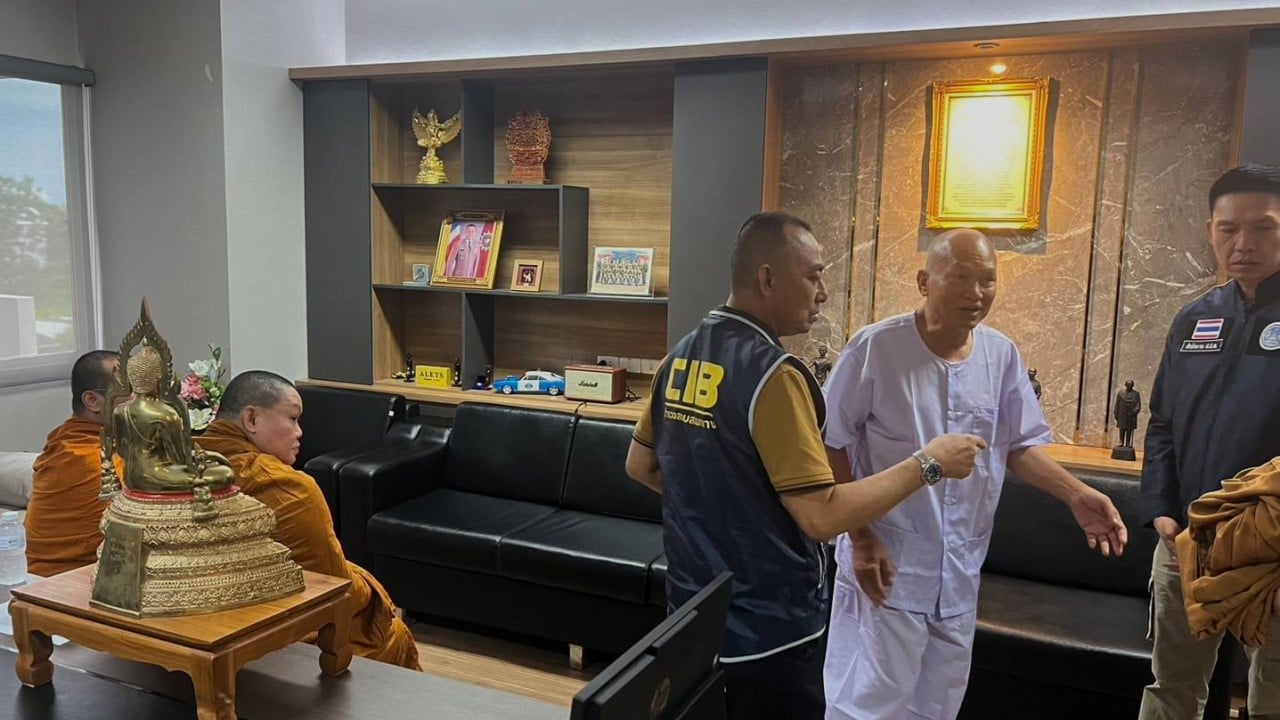
Phra Phisit Suwanvimol built an empire of compassion on the scorched earth of Thailand's late-twentieth-century health crisis. When HIV and AIDS tore through rural communities in the 1990s, leaving families fractured and patients abandoned on temple steps, Suwanvimol offered sanctuary. Operating out of the Wat Phra Phatnampu temple in Lopburi province, he created a haven for the dying. Thousands found shelter, medical palliative care, and a semblance of dignity in their final days. Foreign donors opened their checkbooks. Government officials praised his tireless crusade. Journalists painted him as a living saint in saffron robes.
Then the money began to vanish. For an alternative perspective, consider: this related article.
The conviction of the former Buddhist monk for embezzlement shattered the comforting narrative of unblemished monastic charity. It forced a reckoning not just with one man's greed, but with the systemic vulnerabilities inherent in unregulated religious institutions operating within developing healthcare frameworks. When a charismatic religious figure controls millions in international donations with minimal state oversight, the line between sacred trust and private slush fund blurs.
The Anatomy of Institutional Capture
Charity in Thailand exists in a complex space between state regulation and religious tradition. Monasteries often function as independent financial ecosystems. Donations arrive in cash, wire transfers, and property deeds, frequently handed directly to abbots or founders without passing through centralized administrative boards. Wat Phra Phatnampu was no exception during its peak operational years. Further reporting on the subject has been shared by The New York Times.
As the AIDS epidemic dominated global headlines, international aid organizations, corporate sponsors, and grieving families poured funds into the Lopburi facility. The financial inflows were staggering for a rural temple. Yet financial transparency lagged far behind institutional growth. Investigators later uncovered a systematic pattern of asset diversion, where funds earmarked for antiretroviral therapies, nutritional support, and hospice maintenance were funneled into personal accounts and unauthorized real estate ventures.
This is the classic playbook of institutional capture. A charismatic founder becomes synonymous with the cause itself. Questioning the abbot's financial management is framed not as fiscal due diligence, but as an attack on the sacred work. Donors complicit in their own lack of inquiry chose to look the other way, seduced by the optics of redemption and holy service.
The Broader Crisis of Faith and Accountability
The fall of Suwanvimol is not an isolated anomaly. Over the past two decades, high-profile scandals involving prominent Thai monks have repeatedly shaken public confidence in the Sangha, the governing body of Thai Buddhism. From monastic embezzlement schemes involving luxury sports cars to offshore bank accounts, these incidents expose a structural flaw. The religious hierarchy struggles to police high-earning monasteries that operate as independent fiefdoms.
When a hospice, orphanage, or educational center is attached to a temple, it occupies a regulatory gray zone. Public health authorities assume religious bodies are monitoring internal affairs, while religious authorities lack the forensic accounting skills necessary to audit complex financial flows. Patients and vulnerable populations bear the brunt of this oversight vacuum. When funds disappear, basic supplies dwindle, staff go unpaid, and the promise of sanctuary curdles into neglect.
The criminal conviction of the former monk marks a legal closure, but it leaves deeper institutional wounds open. Thailand's civil society organizations and public health advocates have long argued for mandatory independent audits of all religious-affiliated charities handling public donations. Without statutory transparency requirements, similar vulnerabilities persist across dozens of faith-based social projects nationwide.
Trust is a finite resource. Once squandered by those who cloak themselves in piety while looting the destitute, rebuilding that trust requires more than judicial verdicts. It demands systemic structural reform, aggressive financial oversight, and a permanent end to the era of unquestioned monastic financial autonomy.