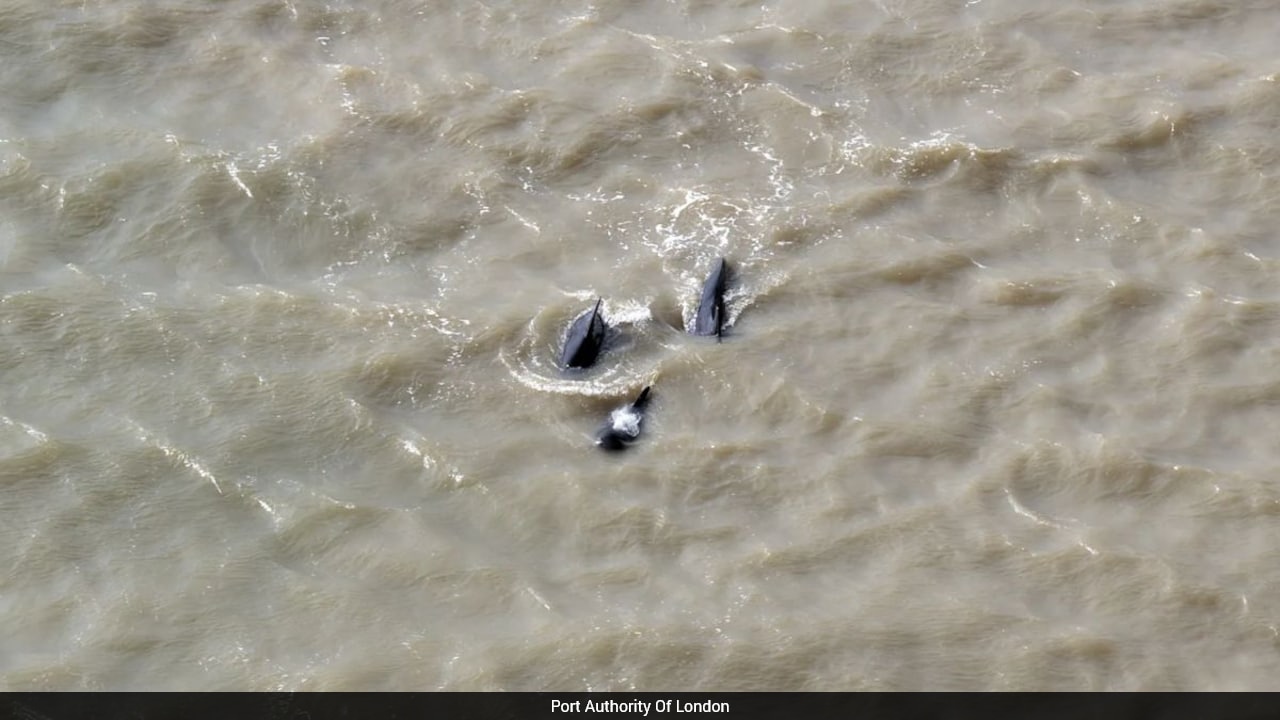
The headlines always read like a fairy tale. Twenty five majestic cetaceans washing up in the Thames, a frantic six hour rescue operation, weeping onlookers, cheering volunteers, and exhausted marine biologists hoisting massive mammals back into the muddy tide. The internet eats it up. Social media feeds flood with slow motion footage of crane straps lifting distressed creatures while heroes in neon wetsuits splash around in triumph.
Everyone loves a good animal rescue story. It feels pure. It feels like humanity atoning for centuries of industrial sin by physically pushing a 30 ton creature back where it belongs.
It is also an unmitigated biological disaster disguised as conservation theater.
Every single time a mass stranding event is treated as an emergency rescue mission rather than a forensic autopsy, we commit a profound error against the very ecosystems we claim to protect. We pat ourselves on the back for saving a whale that was already biologically incompatible with its environment, while completely ignoring the brutal, screaming message nature is trying to send us about the state of our coastal waters.
Stop treating Thames strandings like high stakes television dramas. Let us look at what is actually happening beneath the murky surface.
The Comfortable Illusion Of The Heroic Rescue
Let us establish some baseline marine biology. Whales do not accidentally take a wrong turn at Southend on Sea because they forgot to check Google Maps. Cetaceans possess some of the most sophisticated bio sonar and navigational mapping systems on the planet. When a healthy pod of pilot whales, sperm whales, or bottlenose dolphins navigates hundreds of miles off course into the congested, shallow, heavily polluted funnel of the Thames estuary, it is not because they are adventurous explorers.
It is because their internal compasses are already catastrophically scrambled.
The lazy consensus in mainstream media reporting assumes that a stranded whale is simply a victim of bad geography. The narrative goes that the tide went out too fast, the animal got stuck, and our job is to drag it back into deep water so it can live happily ever after. This is pure anthropomorphic wishful thinking.
When you drag a compromised animal off a sandbank and force it back into the open ocean, you are not performing an act of mercy. You are executing an act of biological vandalism.
I have spoken with marine pathologists who have spent decades conducting necropsies on animals that re-stranded days after being heroically shoved back into the sea. The reality is horrifying. The majority of these animals are already suffering from acute acoustic trauma, severe heavy metal poisoning, systemic parasitic infections, or advanced organ failure. Their brains are riddled with lesions from naval sonar testing, seismic airgun surveys, or chronic ingestion of microplastics.
When an animal is that broken, stranding is often its biological white flag. It is crawling ashore because it can no longer maintain buoyancy, regulate its temperature, or hunt effectively in open water. By wrapping a sling around its tail, pumping it full of adrenaline, and dragging it back into the channel, we are forcing a terminally ill creature to endure a prolonged, agonizing death in the open ocean, away from the shelter of the shore, while simultaneously exposing the broader marine ecosystem to unknown pathogens.
We do it for ourselves, not for them. We do it because watching a whale die on live television makes us feel helpless, and humans hate feeling helpless.
The Anatomy Of An Estuary Death Trap
To understand why the Thames is a graveyard for these magnificent creatures, you have to look past the romanticized poetry of London's historic river and look at the brutal mechanical reality.
The Thames estuary is a shallow, acoustic nightmare. It is one of the busiest commercial shipping lanes in Europe. The ambient noise floor from container ships, dredging operations, high speed ferries, and pile driving creates an underwater cacophony that routinely blinds cetaceans to navigational hazards. Imagine trying to navigate a labyrinth while standing next to a jet engine firing at full throttle. That is the daily reality for marine life attempting to transit the Thames mouth.
Add to that a chemical soup of agricultural runoff, untreated sewage overflows, polycyclic aromatic hydrocarbons, and decades of industrial legacy pollutants. The food web within the estuary is heavily contaminated. When apex predators or deep diving mammals chase pelagic fish into these shallow zones, they enter a trap of sensory overload and chemical toxicity.
Yet, when a pod strands, the public response is entirely focused on the rescue logistics. How many cranes do we have? How many volunteers can we get into the mud? How fast can we pump water over its blowhole?
Nobody asks the hard question. Why are these animals entering the estuary in the first place?
If a factory floor kept having workers collapse from toxic gas leaks, management would not install more comfortable stretchers by the exit doors. They would shut down the gas leak. But when whales wash ashore due to systemic environmental degradation, our primary institutional response is to build better stretchers.
The Downside Of Unfiltered Compassion
My contrarian stance always draws the same emotional knee jerk reaction. Critics accuse me of lacking empathy. They ask if I would just stand on the riverbank and watch a sentient creature suffocate in the mud.
Here is the brutal truth that conservationists are terrified to say out loud: sometimes, letting nature take its course is the most compassionate and scientifically sound choice available.
When we invest millions of dollars, thousands of man-hours, and extensive emergency resources into saving individual stranded cetaceans, we are engaging in a form of triage that completely misses the macro picture. We are pouring capital into symptom management while the underlying disease runs rampant.
Furthermore, pushing a sick animal back into the ocean carries significant epidemiological risks. Mass strandings are frequently triggered by infectious disease outbreaks within a pod, including morbillivirus or severe bacterial infections. Reintroducing a contaminated, pathogen shedding animal back into a healthy wild population can trigger epidemic events that wipe out hundreds of individuals thousands of miles away.
We prioritize the visceral, photogenic tragedy of the single individual over the invisible, systemic survival of the species. It is high emotion masquerading as high conservation.
What Real Intervention Looks Like
If we actually cared about marine mammals in British waters, we would shift our entire paradigm away from beach rescue operations and toward aggressive preventive enforcement.
First, we need mandatory, legally binding acoustic speed limits and vessel routing restrictions in known cetacean migratory corridors. Commercial shipping companies treat the ocean like an open highway, running massive diesel engines at high speeds that generate low frequency noise capable of deafening marine mammals over hundreds of square miles. If we slapped heavy, punitive fines on shipping operators violating acoustic thresholds in sensitive zones, we would prevent strandings at the source.
Second, we need to criminalize the continued discharge of untreated chemical waste and agricultural nitrates into major river systems. The Thames is cleaner than it was during the Victorian era, but it is still a chemical cocktail that acts as a disorienting beacon for disoriented marine life.
Third, veterinary protocols for strandings must change. Instead of treating every stranding as a mandatory rescue, we need rapid response diagnostic teams capable of making immediate euthanasia decisions on the beach when an animal's suffering is irreversible and its pathology poses a threat to the wider ecosystem. It is a heartbreaking choice, but true conservation requires the courage to make ugly decisions instead of playing to the cameras.
The next time twenty five whales wash up on the mudflats of the Thames, do not look for the heroes with the cranes. Look for the systemic failures that drove them there.
Until we fix the water, every rescue is just a rescue from the consequences of our own neglect. And the whales are running out of time for our vanity projects.