The water off the coast of Indonesia does not look like a graveyard. In the afternoon heat, it ripples in shades of turquoise and slate, deceptively calm, hiding the immense power of the currents beneath. But a sea can change its mind in a heartbeat.
When a ferry capsizes in the Indonesian archipelago, the statistics arrive first. They are neat, cold, and easy to digest on a glowing screen thousands of miles away: Vessel overturned. So many rescued. Search continues for the missing. The numbers flatten human tragedy into data points. They strip away the salt, the panic, the smell of diesel and fear, and the agonizing silence of waiting on a shore that feels too vast and too indifferent.
To understand what happens when a wooden hull rolls over in the middle of the night or the sudden fury of a squall, you have to imagine the dark.
Imagine standing on a crowded car deck, or inside a cramped cabin where the air smells of clove cigarettes, diesel fumes, and salt spray. You are surrounded by families returning home from market towns, children dozing against their mothers' shoulders, and merchants guarding sacks of rice and crates of fruit. The engine hums a familiar, rhythmic vibration that has lulled travelers for generations. It is the heartbeat of inter-island transit, a lifeline in a nation stitched together by water.
Then, the world tilts.
There is no time for preparation. There is only the violent lurch of the deck, the screech of shifting cargo, and the sudden, terrifying rush of black water pouring through windows and doorways. In a matter of seconds, the routine journey transforms into a struggle for survival against an element that does not negotiate.
When the ferry goes down, the battle shifts from the water to the shore.
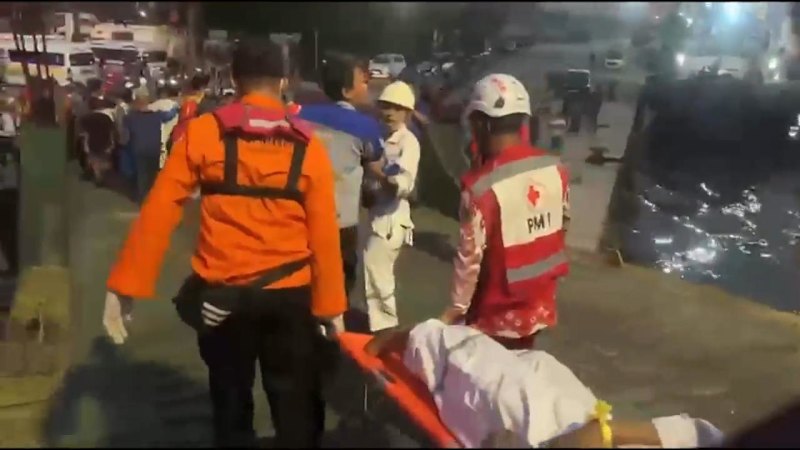
Hours later, survivors are brought ashore. They emerge from rescue boats shivering, draped in emergency thermal blankets that crinkle with every movement. Their eyes are wide, fixed on a middle distance where the horizon used to be. Some clutch a wet backpack or a pair of shoes that somehow survived the wreck. They are alive, but the cost of that survival is etched into the tight lines of their jaws.
And then there are those who do not come ashore.
For them, the waiting begins. Not for the survivors, but for the families left behind on the docks. This is where the true weight of maritime disaster lives. It lingers in the damp air of the port authority office, where relatives gather around crackling radios and chalkboards tracking names. Every time a rescue vessel cuts through the harbor foam, a collective breath is held. Every time it docks without their loved one, a silent grief settles deeper.
Maritime accidents in Indonesia are rarely simple anomalies. They are the tragic intersection of geography, weather, and economics. The archipelago comprises more than seventeen thousand islands, making water transit an absolute necessity for millions of people who cannot afford air travel or live where planes do not fly. Ferries are buses on water. They carry school children, wedding parties, traders, and patients seeking distant hospitals.
Yet, this heavy reliance often brushes up against the realities of enforcement and infrastructure. Overcrowding, sudden tropical squalls, changing cargo weights, and aging fleets create a volatile equation. When enforcement slips or weather warnings arrive too late, the sea collects the debt.
Rescue teams know this math intimately. They are the ones who brave the unpredictable swells, scanning the surface for life jackets, debris, or a hand raised in the gray wash of dawn. They work against the clock, knowing that every hour in the water diminishes the odds. Their mission is fueled by a stubborn, fierce refusal to surrender anyone to the deep without a fight.
As the search continues, day bleeds into night and back into day. The initial media flash fades, but the human reality remains suspended in mid-air.
Consider the parent standing at the edge of the pier, staring out at the vast, uncaring expanse where the ferry went under. The wind whips their shirt against their ribs. The gulls wheel overhead, crying out in a language only the sky understands. In that quiet, agonizing interval between hope and despair, the statistics vanish. There is only the wind, the water, and the enduring human capacity to care for those who have been lost to the tide.