The water off the coast of Djibouti does not look like a graveyard. In the pamphlets pinned to travel agency windows in Addis Ababa, in the sun-bleached posters fluttering above dusty crossroads in the Horn of Africa, it is painted in impossible shades of turquoise and cobalt. It is the sea of dreams. It is the narrow door through which young men and women imagine stepping out of the crushing gravity of poverty and into the bright, open parlor of the Arabian Peninsula.
Except doors do not usually swallow people whole. Also making headlines recently: Why Pope Leo XIV Facing Lung Surgery Changes Everything Right Now.
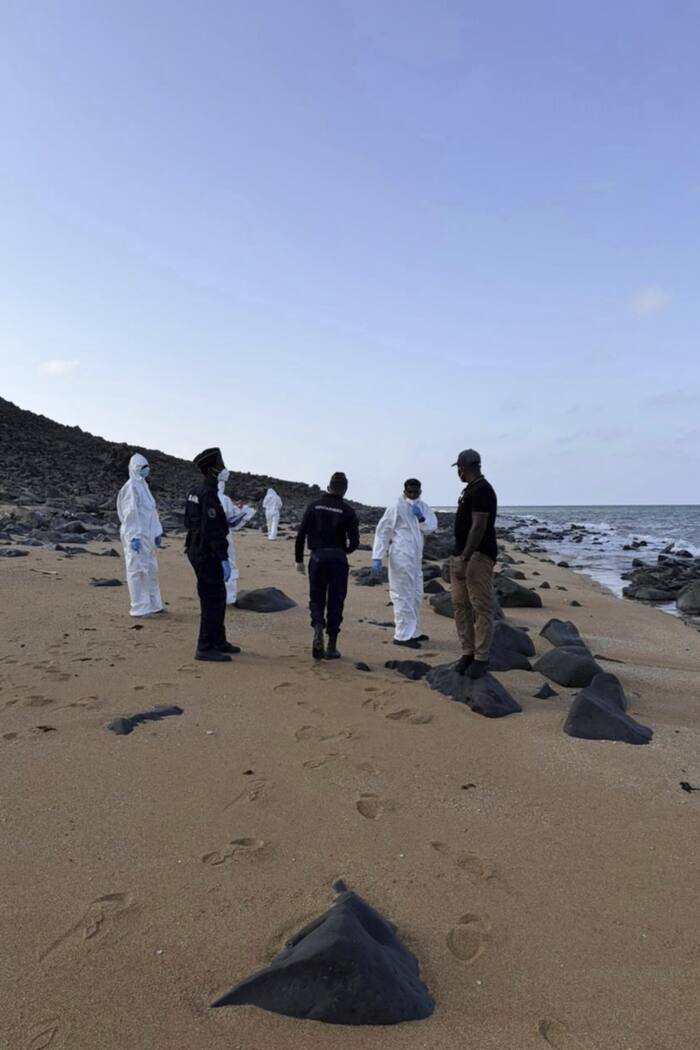
On a Tuesday that began like any other, a wooden boat barely large enough for a coastal fishing trip slipped away from the shore near Godoria. It carried one hundred and thirty-nine souls. Among them were children whose laughter had barely begun to echo against the steep volcanic ridges of the Red Sea coast. They were crowded shoulder to shoulder, breath mingling with the smell of salt and diesel, looking toward a horizon that promised a future.
They never reached it. Additional insights into this topic are explored by Reuters.
Hours into the crossing of the Bab el-Mandeb strait—one of the busiest, most unforgiving maritime choke points on earth—the vessel capsized. The sea did not rage. It did not need to. Overloaded, sitting dangerously low in the water, the boat simply surrendered to the weight of desperation.
When we talk about migration statistics, we use clinical numbers that fit neatly into morning news briefs. We talk about migrant deaths, capsized boats, search and rescue operations. We talk about the International Organization for Migration and the grim tallies recorded by nameless bureaucrats in Geneva or Nairobi. But numbers are an anesthetic. They numb the mind to the texture of reality. They prevent us from smelling the salt, hearing the frantic gasps for air, or feeling the sudden, bone-chilling cold of water closing over a child's head.
Imagine holding your daughter's hand as the wooden hull groans and splits. Imagine the dark water rushing in, tasting of salt and panic, erasing everything you worked for, everything you sacrificed, in a single heartbeat.
This is the Eastern Route. It is not a metaphor. It is a terrifying reality etched into the seabed of the Gulf of Aden. Every year, tens of thousands of young Africans fleeing conflict, drought, and economic despair traverse this corridor. They walk across scorching deserts, evade traffickers, and board unseaworthy vessels run by smugglers who view human cargo as disposable income.
The tragedy off Djibouti is not an anomaly. It is a symptom of a systemic rot that we have normalized through our collective indifference.
Consider the mechanics of despair. Why would anyone step onto a wooden shell bound for a perilous midnight sea? The answer requires no complex sociological treatise. It is simple math. When staying home means watching your family wither under the slow, silent violence of famine and joblessness, the sea stops being a barrier. It becomes the only available exit. The risk of drowning is real, yes. But the certainty of slow starvation at home is absolute. Between two kinds of death, people will always choose the one that offers a whisper of a chance.
Yet, behind every capsized boat lies an entire infrastructure of exploitation. Smuggling rings do not operate in a vacuum. They thrive in the shadows cast by geopolitical failure, economic inequality, and closed borders. When legal pathways for movement are bolted shut, illegal pathways become a booming underground economy. The worse the desperation, the higher the profit margins for men who measure their success in banknotes rather than human lives.
When the news broke of the one hundred and thirty-nine dead in Djibouti, the initial shock waves rippled through global headlines, only to be quickly buried under the next day's cycle of manufactured outrage and celebrity gossip. That is the tragedy after the tragedy. We mourn for a moment, click away, and return to our comfortable routines, as if the waters of the Red Sea washed away our shared responsibility.
The survivors of such shipwrecks carry a burden heavier than physical survival. They carry the survivor's guilt, the empty space on the mat where a brother or a daughter used to sit, the haunting memory of hands slipping away in the dark. They become ghosts walking among us, bearing witness to a world that builds walls instead of bridges, and fences instead of safety nets.
We must stop treating these events as distant natural disasters. They are man-made catastrophes born of systemic inequality and institutional callousness. Every time a boat sinks in the Bab el-Mandeb, it is a failure of global imagination. It is a failure to create a world where human beings do not have to gamble their lives on rotting timber just to feed their families.
The sun still rises over the Gulf of Aden, turning the water into sheets of hammered gold. The ferries chug along their designated lanes. The commerce of nations flows uninterrupted past the exact spot where a hundred and thirty-nine dreams dissolved into the dark abyss.
The surface of the sea heals instantly. There are no scars on the water. But the depths remember. And as long as we look away, the silent tide will continue to rise, waiting for the next desperate voyage into the dark.

