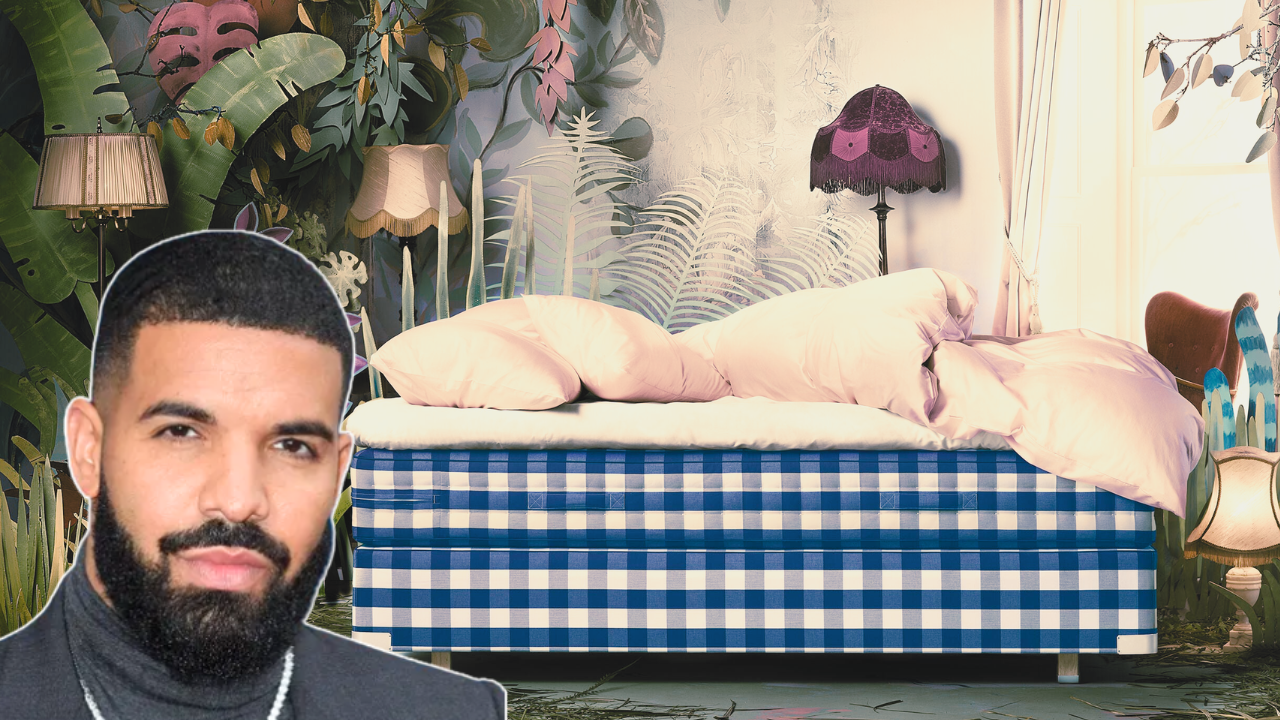
A standard memory foam block costs a fraction of a percent of a luxury car. A Hästens Grand Vividus costs roughly seven crore rupees. It is stitched by artisans in Köping, Sweden, stuffed with nearly two hundred kilograms of treated horsehair, flax, wool, and cotton, and finished with stingray leather accents. Celebrities from Drake to DJ Khaled broadcast their ownership of these beds across social media platforms, transforming a utilitarian domestic object into the ultimate status symbol of the twenty-first century.
This hyper-expensive sleep instrument represents a fundamental shift in how extreme wealth signals its status. The acquisition is rarely just about orthopedics. It is about purchasing a narrative of artisanal exclusivity in an era defined by mass-produced digital efficiency. For another look, consider: this related article.
The Anatomy of a Seven Crore Bed
To understand why a mattress commands the price of a luxury downtown apartment, one must examine the rejection of modern chemistry. While mainstream mattress manufacturing relies on polyurethane foams, synthetic latex, and petrochemical glues, Swedish heritage brand Hästens doubles down on organic materials that predate the industrial revolution.
The primary component is horsehair, harvested largely from the tails and manes of horses, then washed, boiled, teased, and curled. Each individual hair acts as a microscopic spring. Millions of these curls intertwine to create a buoyant matrix that allows air to circulate freely through the core of the mattress. There are no chemical coolants, no gel pads, and no electronic climate-control circuits. Further reporting on this matter has been shared by MarketWatch.
Building a single Grand Vividus requires more than three hundred and twenty hours of manual labor. Master craftsmen use traditional side-stitching techniques that require years of apprenticeship to master. The internal layers are painstakingly balanced so that the sleeper experiences a sensation of floating rather than sinking.
Yet, physical materials alone do not justify a price tag that exceeds many venture capital seed rounds. High-end raw horsehair can be sourced independently for a fraction of the cost. The remaining valuation relies entirely on prestige economics, scarcity engineering, and the psychology of elite identity.
Why Celebrities Buy the Sleep Flex
The modern ultra-high-net-worth individual lives in a fishbowl of transparency. Private jets, supercars, and multi-million-dollar real estate portfolios are frequently rented, leased, or publicly scrutinized. A bed, however, occupies a space of absolute privacy. By investing seven crore rupees into the place where they spend a third of their lives, public figures project a specific ethos. They are signaling that their most vulnerable moments—sleep, recovery, and private rest—are optimized to an aristocratic standard.
Consider the marketing genius of positioning a mattress as a performance asset. Musicians, athletes, and tech executives operate in high-burnout environments where cognitive recovery dictates career longevity. When Cristiano Ronaldo or Drake credits their physical stamina to a bespoke Swedish bed, they pivot the purchase from an extravagant indulgence to a professional necessity.
It is biohacking for the ultra-wealthy, wrapped in the comforting aesthetic of heritage craftsmanship. The blue check pattern, originally introduced in 1978 as a playful nod to the company's equestrian history, has evolved into an invisible handshake among the global elite. Owning the bed means recognizing the pattern, and recognizing the pattern means belonging to the inner circle.
The Margin Between Utility and Illusion
Critics argue that spending seven crore rupees on a mattress defies rational economics. Independent sleep trials consistently demonstrate that expensive luxury mattresses do not automatically translate to superior sleep metrics for every human body. A person sleeping on a well-constructed mid-tier mattress often achieves the exact same REM cycles and deep sleep stages as someone resting on a hand-teased horsehair masterpiece.
The value proposition begins to fray when subjected to rigorous material analysis. Skeptics point out that the cost of the raw components represents a minuscule percentage of the retail price. The rest of the ledger is consumed by luxury retail overhead, bespoke delivery logistics, handcrafted branding, and profit margins designed to keep the product exclusive to the top decimal percentile of earners.
Yet, analyzing luxury through the lens of pure utilitarianism misses the point entirely. A Rolex does not tell time more accurately than a quartz digital watch. A vintage bottle of Bordeaux is chemically similar to a robust table wine in terms of caloric composition. Ultra-luxury items operate on a different frequency. They sell a story of permanence in a disposable world.
The Final Frontier of Private Luxury
As wellness culture permeates every tier of global consumerism, sleep has evolved from a passive biological necessity into an active status symbol. People routinely spend thousands on sleep rings, temperature-regulated mattress covers, and circadian lighting systems.
The seven crore rupee horsehair bed sits at the absolute apex of this movement. It capitalizes on a deep cultural anxiety regarding fatigue, aging, and environmental toxicity. By eliminating synthetic foams and replacing them with centuries-old natural elements, brands like Hästens tap into a romanticized past that rich buyers are more than willing to subsidize.
The transaction is complete long before the bed is delivered by crane to a penthouse suite. The buyer is not merely purchasing horsehair and pine framing; they are buying an anchor against the frantic pace of modern celebrity existence. They are purchasing the quiet confidence that comes from knowing their bed took longer to build than most commercial airliners.
Whether the sleeper actually floats on a cloud or simply rests on expensive upholstery matters very little. The utility is secondary to the narrative, and the narrative remains entirely untouchable.