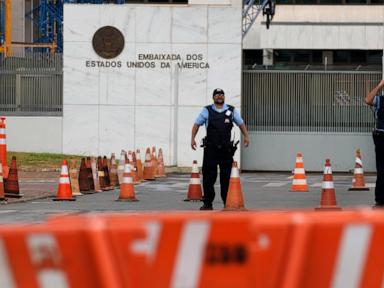
When the United States embassy and Australian diplomatic missions abruptly pulled down their shutters across Brazil just days before a high-stakes presidential showdown, official statements pointed to standard "security concerns." Beneath the diplomatic boilerplate, however, lay a much sharper geopolitical reality. This unprecedented pre-election shutdown laid bare the deep anxieties gripping foreign capitals as Latin America's largest democracy headed toward a deeply polarized ballot. For decades, routine embassy closures have been treated as minor footnotes in international relations. This time, the timing signaled something entirely different: an acute nervousness among Western governments regarding domestic unrest, foreign interference narratives, and the security of their own personnel in an increasingly volatile theater.
To understand why Washington and Canberra took the extraordinary step of halting consular operations, one must look at the toxic intersection of domestic Brazilian politics and outside pressure. The electoral climate was hyper-charged, pitting incumbent forces against conservative challengers in a contest where every public move by a foreign power was heavily scrutinized. Brazilian leadership had repeatedly raised alarms over external meddling, pointing to aggressive economic posturing and diplomatic maneuvering intended to shape local voter sentiment. When foreign embassies suddenly lock their doors under the vague banner of security, they inadvertently fuel the very conspiracy theories and nationalist backlashes they claim to want to avoid. If you found value in this post, you should check out: this related article.
The mechanics of modern diplomatic security are rarely straightforward. Intelligence sharing between the United States and its allies often relies on threat assessments that are classified, partial, and prone to worst-case scenario planning. If a foreign intelligence service picks up chatter regarding potential civil unrest or targeted protests outside Western compounds, standard operating procedures dictate an immediate freeze on public-facing services. Yet, applying a blunt-force security protocol forty-eight hours before a national election creates immediate fallout. It leaves thousands of visa applicants, travelers, and expatriates stranded, while sending a loud, destabilizing signal to the host government that foreign powers anticipate chaos in the streets.
This incident exposes the friction points of modern statecraft. Western nations are increasingly caught between maintaining an open diplomatic footprint and protecting assets from collateral damage during intense political upheavals. Critics in Brasilia were quick to frame the closures not as a neutral safety precaution, but as a subtle form of psychological pressure—a vote of no confidence in Brazil's civil institutions and security apparatus. Whether the threat reports were substantive enough to warrant total closures remains a matter of fierce debate within intelligence circles. What is indisputable is that diplomacy performed behind closed iron gates achieves the opposite of its stated intent, amplifying paranoia rather than preserving order. For another look on this event, refer to the latest update from Al Jazeera.
As foreign policy shifts toward crisis management and risk aversion, embassies are turning inward. The abrupt abandonment of consular posts in Brazil serves as a stark case study in how fragile international relations have become when filtered through the lens of domestic polarization. When the next major election cycle shakes the region, the real test will not be whether embassies choose to lock their doors, but whether they can maintain a credible presence without signaling panic to the world outside.
Australian Embassy in Brazil follows US and closes services due to security concerns
This video provides local news coverage and context regarding the sudden closure of diplomatic missions in Brazil ahead of the elections.