The morning air in the neighborhood carried the ordinary scent of baking bread. It was a smell that usually anchored the block in a quiet routine, a sensory promise of warmth and survival in a place where survival is negotiated daily. Children typically played near the storefronts, their laughter competing with the metallic clatter of shutters opening for the day. Then the sky split.
There is a specific kind of silence that follows an airstrike. It is not peaceful. It is a suffocating, heavy vacuum where sound has been violently erased, replaced instantly by the acrid taste of concrete dust and burning rubber. In that fragmented second, the abstract statistics of conflict collide with the fragile reality of a single address.
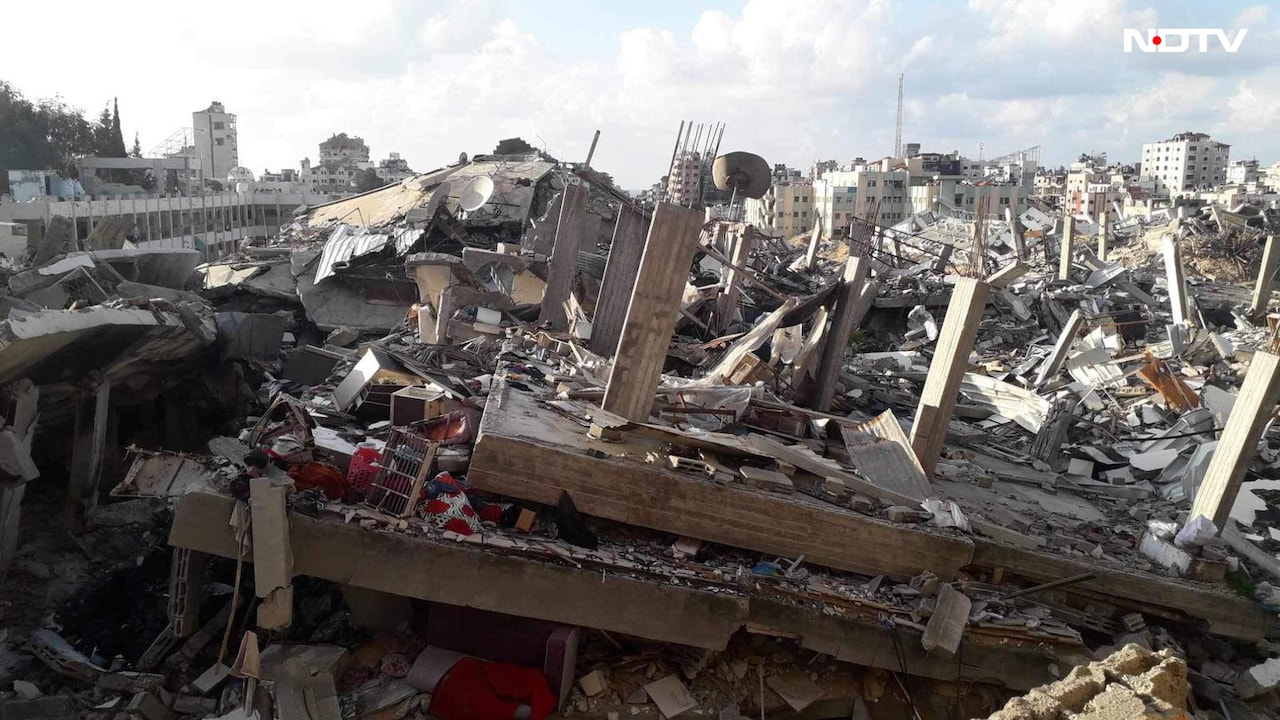
Near the bakery, the blast left a crater of grey rubble. Among the scattered debris lay a pair of tiny, dust-covered shoes. They belonged to a three-year-old boy. He had been sent or had wandered just far enough to meet the edge of a tragedy that treats human lives as collateral.
We talk about military precision, tactical necessity, and strategic objectives. These words roll off the tongue with a sterile distance, designed to sanitize the chaotic mechanics of modern warfare. But a three-year-old boy is not a strategic objective. He is a collection of unlearned words, scraped knees, favorite bedtime stories, and unconditional love. When an airstrike claims a child near a bakery, the geometry of war reduces decades of human potential to a silent pair of shoes left in the dust.
Consider what happens next in the machinery of reporting. The event is logged. A brief casualty count is filed. Officials issue statements about targets, intelligence, and regret. The news cycle rotates, hungry for the next catastrophe, burying the previous one under fresh layers of headlines. Yet, for the family standing in the rubble, the clock has stopped permanently at the exact minute the sky fell.
To understand the weight of this loss, we have to strip away the political arguments that inevitably rush in to fill the vacuum. Politics offers explanations; grief offers only an aching void. When a toddler loses his life to an explosive ordinance dropped from miles above, the moral architecture of the conflict collapses. There is no ideological framework robust enough to justify the terror of a child's final moments.
I have walked through streets scarred by similar violence, where the dust gets into your teeth and the sheer fragility of human existence stares back at you from broken window frames. You realize then that the statistics we read over morning coffee are actual heartbeats, abruptly silenced. Every number represents a universe of family dinners, scraped elbows, and quiet bedtime whispers that will never happen again.
The bakery remains closed. The oven fires are extinguished. The neighborhood is left to sweep up the remnants of a normal Tuesday that turned into a lifetime of mourning. And somewhere in the archives of a distant conflict, a small name is added to a ledger, an invisible casualty of a world that has grown far too comfortable with the destruction of its own future.
The shoes remain where they fell, waiting for a small foot that will never slip inside them again.