The red clay of the bank used to disappear six feet under. You could stand on the old wooden dock in the heavy humidity of a Georgia July, drop a fishing line into the green-tinted murk, and never think about what lay beneath your boots. The water held its secrets. It swallowed discarded soda cans, lost anchors, and heavy iron chains without a sound, wrapping them in silt and hiding them away from the sun.
Then came the dry months. The rain stopped falling when it was supposed to. The tributaries shrank back, gasping for moisture, and the giant reservoir began to pull inward, folding in on itself like a dying star.
When the water line dropped feet below its normal mark, the lake didn't just expose mud. It exposed memory.
Consider what happens when a community confronts the heavy weight of its own carelessness. At Lake Hartwell, a persistent regional drought acted as a stark, uninvited archivist. As the surface area contracted, the receding shores revealed a hidden landfill of twentieth-century debris. For decades, things had been thrown over the side of boats or left behind on forgotten weekend camping trips, sinking quietly into the dark. Now, stripped of their watery burial shrouds, they sat in the blinding southern sun.
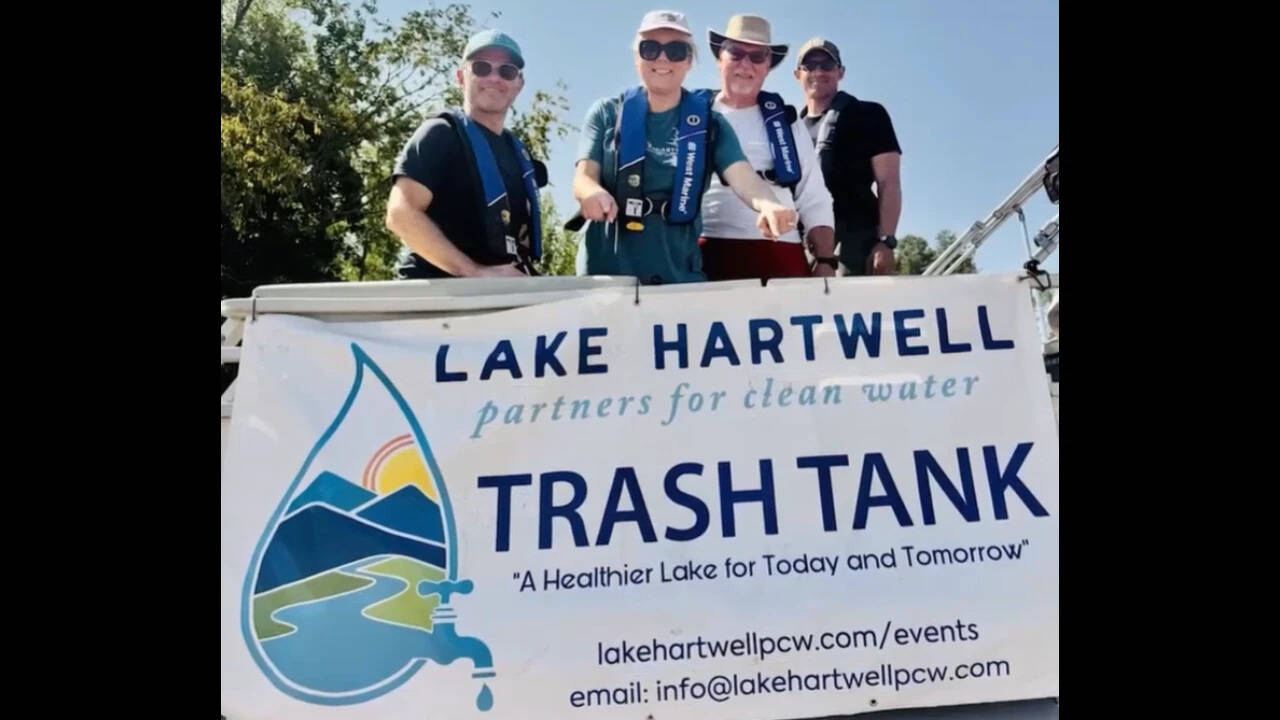
On a Saturday morning in autumn, a collection of volunteers stepped out onto that cracked, exposed earth. They brought heavy work gloves, flatbed trailers, and an astonishing amount of stubborn hope. Among them were retirees who had lived within sight of the water for forty years, teenagers fulfilling community service requirements, and local anglers who simply wanted their fishing holes back without snagging their lines on rusted metal.
The numbers from that weekend still linger in the local records, cold and hard. Thirty-six. That is how many automobile tires were dragged out of the red clay in a single coordinated effort.
Think about a single tire for a moment. It is an engineering marvel of synthetic rubber and steel belting, designed to withstand thousands of miles of friction against hot asphalt. It is designed, above all, not to decompose. Left to itself, a tire will endure for centuries, sitting stubbornly in the environment. Multiply that by thirty-six. Each one had to be hoisted by main strength out of the sucking mud, heavy with water and coated in decades of anaerobic slime, hauled up steep embankments by teams of people straining against the slope.
And tires were only the beginning.
There were rusted outboard motor parts, sheets of corrugated tin from long-gone boat houses, tangled fishing line that formed deadly, transparent webs among the exposed roots of drowned willow trees, and enough plastic bottles to build a monument to modern convenience.
Standing on the shore that morning, watching a teenager heave a rusted lawnmower frame onto the bed of a pickup truck, the emotional core of the scene became impossible to ignore. We treat our shared waters like an endless, bottomless attic. Out of sight, out of mind. If it sinks, it ceases to exist. But nature has a way of balancing her ledgers. When the rain fails and the levels drop, the bill always comes due.
The lake is more than a recreation destination for boaters and weekend tourists. It is a living ecosystem that supports migratory birds, native fish populations, and the drinking water infrastructure for thousands of homes downstream. Every piece of heavy rubber leaching petrochemicals into the sediment, every yard of monofilament line waiting to snare a blue heron, represents a slow, quiet wound inflicted on a landscape we claim to love.
The cleanup wasn't framed as a grand political statement. There were no microphones or ribbon-cuttings. It was simpler than that. It was neighbors looking at a mess, recognizing their collective responsibility, and deciding to bend their backs to fix it.
As the sun climbed higher, baking the mud to a hard, pale crust, the pile of salvaged debris grew higher than the bed of the truck. The thirty-six tires formed a grim, jagged monument at the edge of the ramp. They looked like giant, dark doughnuts of human indifference.
Yet, as the last volunteer wiped the sweat from her forehead and slammed the tailgate shut, something else hung in the air besides the smell of damp earth and rust. It was a strange, fierce quietude. The shore looked lighter. The wounded earth, though still scarred by the drought, looked a fraction of an inch closer to healing.
The water will eventually return. The autumn rains will come, the creeks will swell, and the green depths will rise once more to cover the red clay banks. The docks will float again. But the people who walked that exposed lakebed will never look at the surface the same way. They know what lives underneath. They know what we leave behind when we think nobody is watching.
And long after the tires were hauled away to the county recycling center, and long after the muddy boots were washed clean on back porches, the image of that stark, receding shoreline remained—a reminder that stewardship is not an event, but a continuous, quiet choice to care for the places that hold us.