Cold air clings to the volcanic rock of Mount Ararat like a frozen shroud. At over 16,000 feet, the wind does not merely blow; it strips the breath from your lungs and freezes the moisture in your eyes. For centuries, this jagged peak in eastern Turkey has stood as a quiet sentinel, guarding a secret that men have chased for millennia.
Look up at the ice-choked ravines. The scale humbles you.
History does not give up its ghosts easily. Beneath layers of basalt, glacial runoff, and shifting scree, a team of researchers and archaeologists are currently drilling into the earth, searching for something impossible, something ancient, and something deeply human: the wooden remnants of Noah’s Ark.
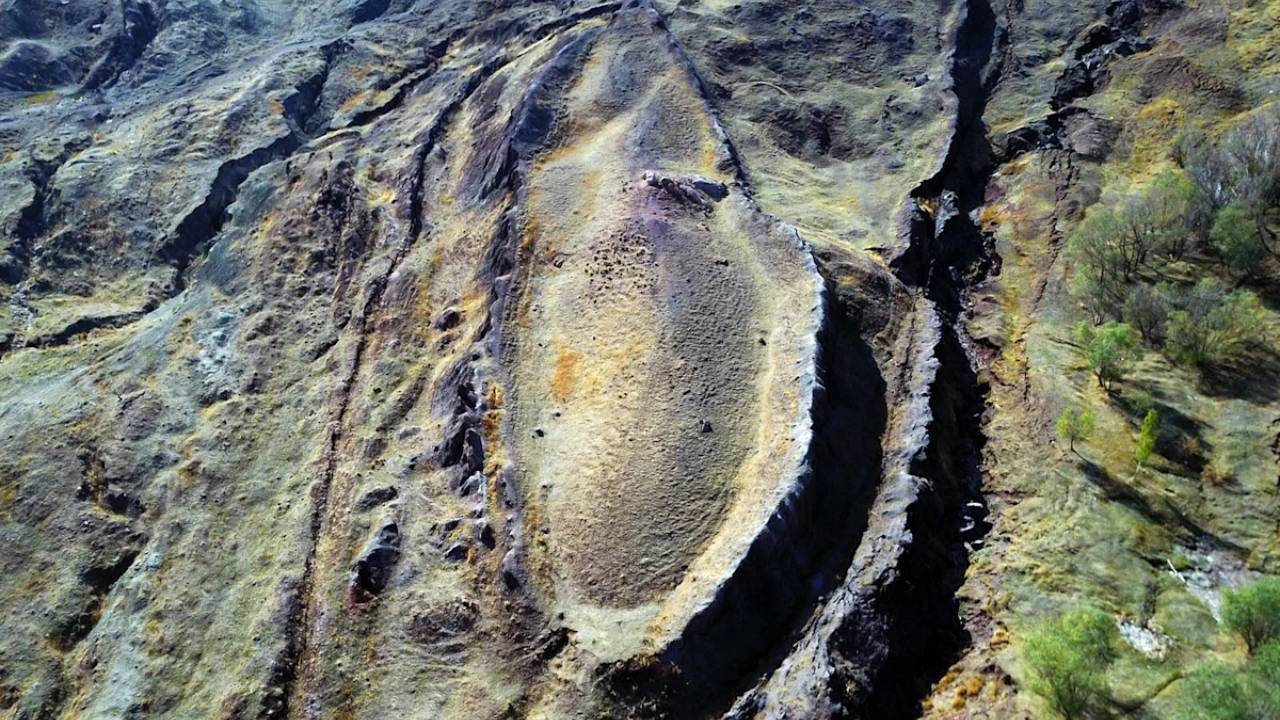
To understand why people are willing to brave these brutal altitudes, you have to look past the religious texts and into the psychology of the search. We are creatures terrified of erasure. When ancient cultures across the globe share a flood myth, it points to a collective scar left by a cataclysmic rising of waters. The Durupinar site, a boat-shaped geological formation on the mountain, has long captured the imagination. Critics call it a trick of nature—a mudflow shaped by chance. Believers call it history waiting for a shovel.
Now, science is stepping in with drills.
Imagine standing on the ridge as the drill bit hits solid resistance far beneath the surface. The metallic whine echoes off the basalt cliffs. The core samples come up dripping with icy mud, revealing layers of clay, marine sediments, and—most intriguingly—wood fragments that do not belong in a volcanic mountain high above the tree line.
This is where the story gets complicated. Wood rots. Organic matter yields to the relentless march of time, bacteria, and chemical decay. Yet, high-altitude preservation is a strange beast. If an artifact is encased in rapid mudflows and sealed beneath a blanket of glacial ice, decay slows to a crawl. Organic carbon traces and petrified layers begin to tell a quiet story of human carpentry, of interlocking beams crafted by hands that turned to dust thousands of years ago.
Skeptics point out the obvious. Nature mimics art. Tectonic forces can fold strata into strange, deceptive shapes. Volcanic mudflows, known as lahars, can deposit bizarre debris in remote places. Geologists remind us that mountains are dynamic, violent landscapes where rocks tumble and bury themselves in configurations that look engineered by design.
Yet the drill keeps turning.
Consider the human element behind the funding and the frostbite. Archaeologists do not spend decades sleeping in tents battered by mountain gales purely for academic prestige. They chase the horizon. They want to touch the edge of the myth. When a core sample reveals unusual carbon structures or structural anomalies, the air in the makeshift lab hums with a tense, quiet electricity. For a brief moment, the vast chasm between the modern world and the ancient dawn feels bridgeable.
We live in an era that demands absolute certainty, GPS coordinates, and instantaneous proof. But Ararat resists this modern hunger. It offers shadows, whispers in the howling wind, and ambiguous core samples that require painstaking laboratory analysis. Carbon dating, molecular breakdowns of ancient adhesives, and microscopic wood-grain analysis take time. They require patience in a world addicted to speed.
What happens if they find nothing definitive? The mountain remains. The myths persist, woven too deeply into human folklore to be undone by a negative lab result.
What happens if they find the unmistakable signature of ancient human construction at 7,000 feet on a desolate peak? The ground shifts beneath our understanding of history, reminding us that our ancestors witnessed catastrophes that reshaped the globe and left scars we still carry in our stories today.
The drill bit grinds against stone. A few flakes of dark, ancient carbon drop into a collection tray, resting quietly against the white snow.