The traditional playbook for diplomatic relations between Washington and Mexico City just got thrown out the window. For decades, both nations played a predictable game. The United States complained about drug trafficking, Mexico promised cooperation, and both sides kept trade negotiations completely separate from security failures. That era is officially dead.
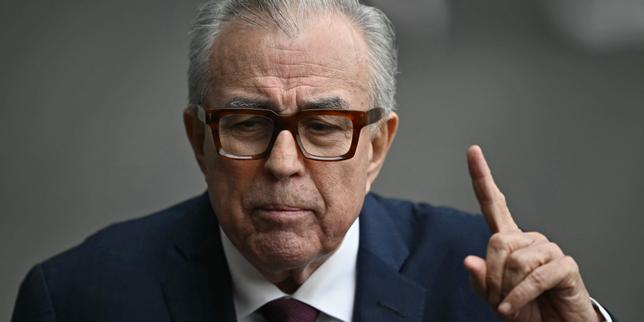
The unsealing of a federal indictment in New York against Rubén Rocha Moya, the sitting governor of Sinaloa, is a massive shift. This isn't just another low-level cartel bust or a retired official getting caught years after leaving office. A powerful, active political figure from Mexican President Claudia Sheinbaum’s ruling Morena party stands accused of conspiring directly with the Sinaloa Cartel. Read more on a similar topic: this related article.
If you think this is just a local political scandal, you're missing the bigger picture. Washington is explicitly tying economic survival to drug enforcement. The indictment landed just weeks before the critical United States–Mexico–Canada Agreement (USMCA) review. The message from the Trump administration isn't subtle. If Mexico wants open access to American markets, it has to clean up its own government.
The Charges Shocking Mexico City
American prosecutors didn't just throw vague accusations at the wall to see what sticks. The federal indictment unsealed in Manhattan outlines an intimate, highly lucrative relationship between the Sinaloa state government and "Los Chapitos"—the powerful faction of the cartel run by the sons of Joaquin "El Chapo" Guzman. Additional analysis by Reuters highlights comparable views on the subject.
According to the Department of Justice, the cartel didn't just operate in Sinaloa. They essentially funded the political apparatus. The indictment alleges that Rocha Moya and his inner circle accepted massive cash bribes and political muscle during elections in exchange for state protection.
The operational details are staggering. Federal authorities have already taken former Sinaloa security chief Gerardo Mérida Sánchez into custody in Arizona, along with former finance minister Enrique Díaz. Prosecutors allege Mérida Sánchez personally pocketed over $100,000 a month in cash. What did the cartel get for that money?
- Direct orders to state police to target rival gangs while leaving Los Chapitos untouched.
- Advance warnings on at least 10 major federal raids in 2023, giving traffickers plenty of time to move personnel, drugs, and laboratory equipment.
- The utilization of state financial channels to protect cartel assets.
The Strategy Behind the Sudden U.S. Escalation
Why now? It's a calculated move by Washington to break down the silos that previously defined the bilateral relationship. For years, trade was negotiated by economists in quiet boardrooms while security was handled by law enforcement. Trump completely smashed those walls by using the threat of aggressive tariffs and unilateral military action to force Mexico's hand.
By targeting a sitting governor from the ruling party, U.S. authorities are executing a high-stakes strategy. They're gambling that the threat of political isolation and economic pain will force President Sheinbaum to abandon the passive security policies of her predecessor, Andrés Manuel López Obrador. The old "hugs, not bullets" approach won't cut it when American prosecutors are actively freezing the bank accounts of Mexican officials.
A Quiet Panic Inside the Ruling Party
Publicly, the Mexican government is trying to wrap itself in the flag of national sovereignty. President Sheinbaum initially dismissed the charges as politically motivated interference by the U.S. Department of Justice. Rocha Moya took a temporary leave of absence from his governorship, claiming a clean conscience while calling the case an attack on Mexico's political movement.
Behind closed doors, the panic is palpable. The strategy inside Morena has quietly shifted from full defense to self-preservation. Mexico’s Financial Intelligence Unit recently froze the bank accounts of Rocha Moya and his associates, a preventative measure Sheinbaum had to publicly confirm.
The party leadership knows they can't afford to be seen protecting accused narco-politicians with the USMCA review looming. The international narrative that Morena is soft on cartels risks destroying Mexico's economic leverage. Insiders privately admit that the directive now is to let the investigation run its course, effectively leaving the Sinaloa governor to stand alone.
What This Means for Businesses and Regional Stability
If you operate a business relying on cross-border supply chains, you need to pay close attention. Security is no longer a background issue. It is now the primary metric driving trade policy.
The weaponization of indictments shows that Washington is willing to risk diplomatic friction to curb the flow of fentanyl. You should expect increased border bottlenecks, heavier scrutiny on Mexican shipments, and unpredictable policy shifts as the USMCA negotiations proceed.
To navigate this volatility, companies must diversify logistical routes and brace for sudden regulatory changes at the border. Keep a close eye on the legal proceedings in Manhattan. The testimony of arrested officials like Mérida Sánchez will likely implicate more political figures, keeping the bilateral relationship on edge for months to come.