Television has a funny way of starting international incidents over things that seem like minor plot points in a writer's room. If you’ve been following the chatter across the Causeway lately, you know that the Mediacorp drama Highway to Somewhere has managed to do exactly that. What was supposed to be a scenic road trip series has turned into a diplomatic headache, with Malaysian trade and cultural associations calling for the show to be pulled from the air.
The gripe? They say the show makes Malaysia look like a "scam hub."
The Plot That Sparked a Protest
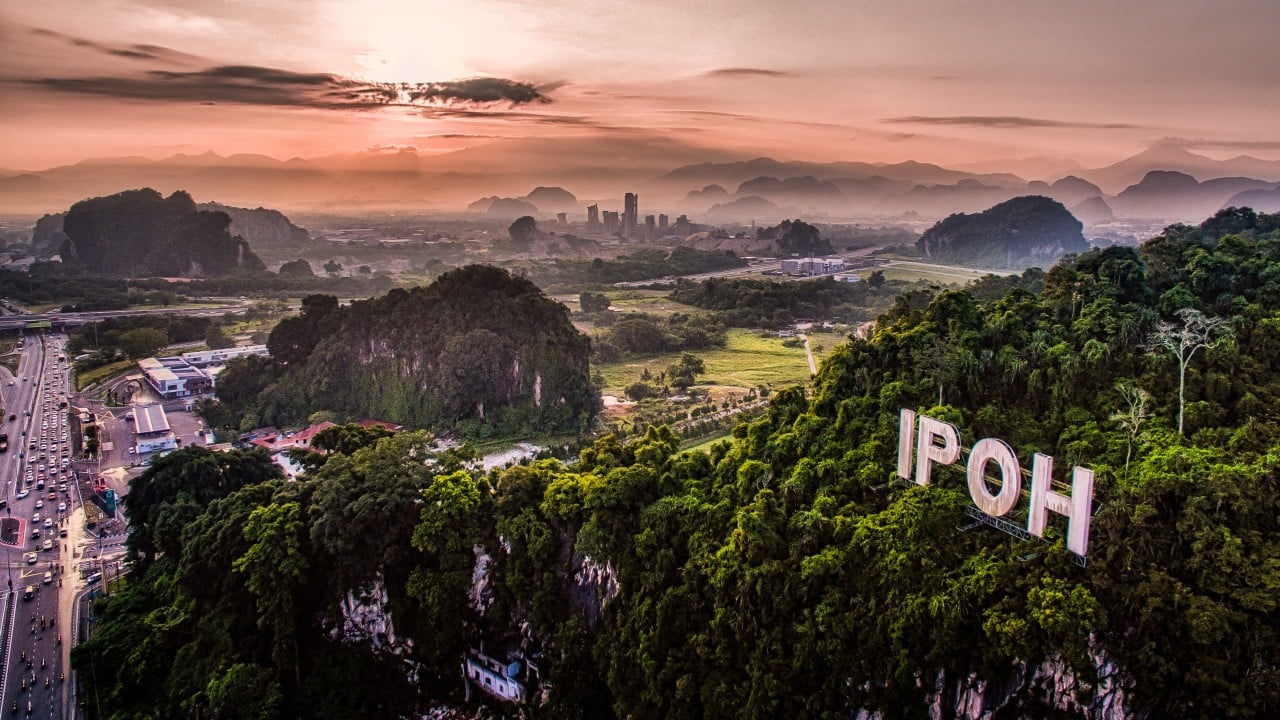
Highway to Somewhere is a 20-episode series that follows a group of friends—played by familiar faces like Romeo Tan, Jeanette Aw, and Herman Keh—as they travel through Malaysia. It’s framed as a travelogue-meets-drama, showcasing spots like Ipoh, Port Dickson, and Kukup. But things take a dark turn when the characters get tangled up with a scam syndicate.
To a viewer in Singapore, it might look like a standard "stranger danger" trope. To some in Malaysia, it looks like a targeted hit on their national image.
Lee Yong Kwee, the president of the Malaysia Ma-Zhong Tradition Culture Association, didn't hold back. He took to Facebook to argue that the show portrays Malaysia in a negative light, potentially scaring off tourists by implying the country is a breeding ground for fraud. Andrew Tan, who heads the Malaysia Professional Skill Development Education Association, went a step further. He actually urged Singaporean authorities to review the program and consider halting its airtime entirely.
It Is Not Just About the Scams
It's easy to dismiss this as people being overly sensitive, but you've got to look at the context. Southeast Asia has been struggling with a real-life "scam-demic" for years. We’ve all seen the headlines about job scam centers in Cambodia and Myanmar. When a major broadcaster like Mediacorp places a fictional scam hub in Malaysia, it hits a raw nerve.
The critics' argument is basically: "We gave you beautiful locations to film in, and you repaid us by making us look like criminals."
They’re worried about the "international image" of the country. In their eyes, the drama doesn't just entertain; it educates—or in this case, miseducates—the public. If a potential tourist from further abroad watches this, will they think twice about booking a flight to Kuala Lumpur? That’s the fear driving the outrage.
The Defense of the Storytellers
The creators of the show aren't staying silent. Screenwriter Ang Eng Tee and Director Oh Liang Cai have both come out to defend their work. Their defense is pretty straightforward: it’s just a story, and the story actually has a moral.
- Scams are universal: Ang points out that scams happen everywhere, including Singapore. He wasn't trying to say Malaysia is unique in this.
- The villains aren't Malaysian: A key detail people seem to be missing is that the syndicate leaders in the show are depicted as "foreign actors." They aren't locals; they're outsiders using the country as a base.
- The Law Wins: In the final episodes, the criminals are arrested by Malaysian authorities. The show actually portrays the Malaysian police as the ones who save the day and uphold the rule of law.
Director Oh also mentioned that the scam subplot is only a small fraction of the series. Most of the 1,350 minutes of screen time is spent showing off Malaysia’s scenery. They spent two months filming in the country specifically to show how beautiful it is.
Why the Apology Might Not Be Enough
Even though Mediacorp issued a statement saying the subplot was meant to "raise awareness of a universal threat," the damage might be done. In the age of social media, a single viral clip of a character being kidnapped or scammed in a specific location travels much faster than a 20-episode arc about redemption and the rule of law.
Honestly, we see this all the time in media. A city or country becomes synonymous with a certain crime because of a popular movie or show. Think of how Taken made everyone terrified of traveling to Paris for a while, or how Narcos affects people's perception of Colombia.
The difference here is the proximity. Singapore and Malaysia have a "sibling rivalry" that goes back decades. We’re neighbors, we’re customers, and we’re each other's biggest critics. When one sibling makes a joke—or a drama—that the other finds insulting, it’s never just about the joke. It’s about the history.
What You Should Take Away From the Noise
If you’re planning a trip to Malaysia, don't let a TV drama dictate your itinerary. Scams are a real issue across the globe, but they aren't unique to any one country in the region. The real-world lesson here isn't "don't go to Malaysia"; it's "be aware of how scams work, no matter where you are."
- Watch the whole thing: Don't judge a show based on a 30-second TikTok clip of a conflict. The ending matters.
- Support local tourism: If anything, Highway to Somewhere highlights some stunning, lesser-known spots in Ipoh and Port Dickson that are worth a visit.
- Stay skeptical: Whether it's a "job offer" on Telegram or a dramatic plotline on Channel 8, always check the facts before you react.
The reality is that Highway to Somewhere has already finished its run on Channel 8. While it’s still available on streaming platforms like Mewatch, the "ban" that some Malaysian associations are calling for is unlikely to happen. Instead, this will likely go down as another chapter in the long book of "Singapore-Malaysia misunderstandings."
If you're a fan of the show, keep watching. If you're offended by it, your best move is probably just to switch the channel. But don't expect the drama—on or off-screen—to die down anytime soon.