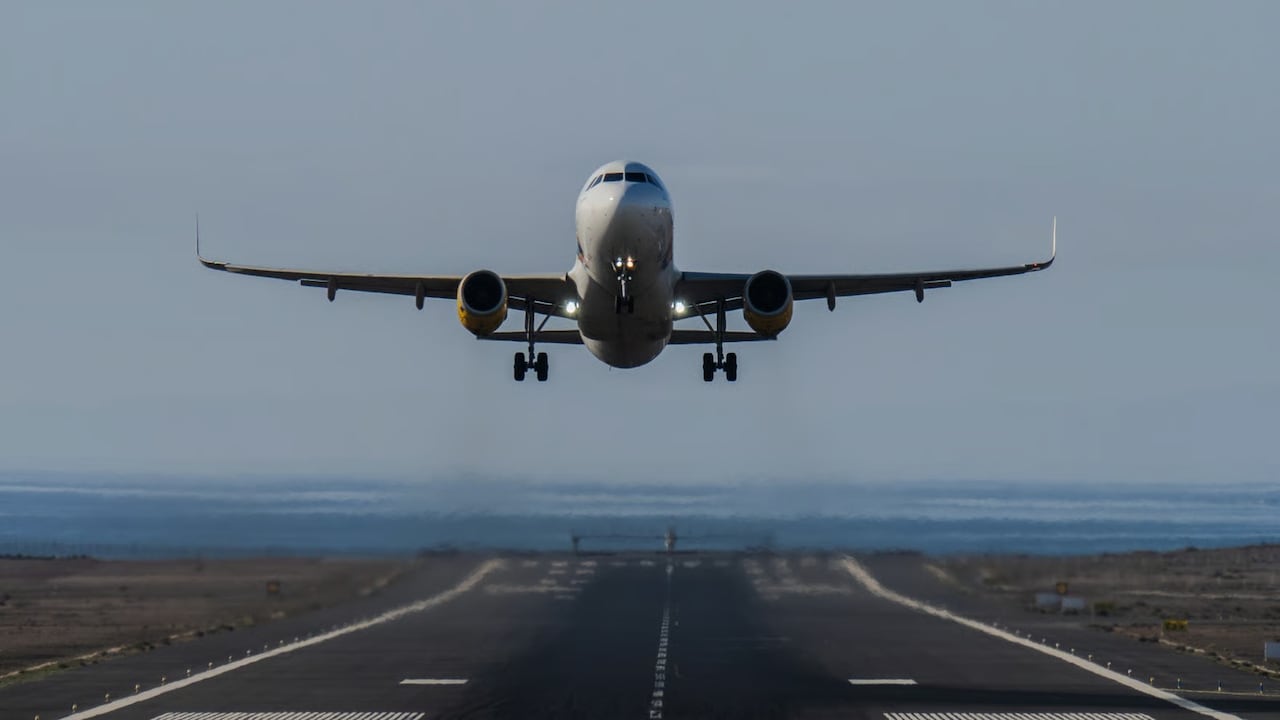
The departure board does not scream. It clicks, or hums, or flickers with a quiet, digital politeness that makes the betrayal somehow worse. One moment a flight number sits beside a gate and a time that feels like a promise. The next, a single word appears—cancelled—and a room full of people who have spent months planning a reunion, a job interview, a funeral, or a return to work suddenly realizes their calendar has been ripped out of their hands.
When Air India suspended flights to Riyadh, Dammam, and Jeddah through October 20 following Houthi strikes on Saudi Arabia, the headline read like a routine operational update. Three cities. A specific date. A geopolitical threat reduced to a sentence. Yet a flight cancellation is never just an aviation adjustment. It is a severing of threads that tie families, workers, and economies together across thousands of miles of open water and desert.
I know the weight of a stranded terminal from the inside out. Years ago, sitting on cold terrazzo tiles with a backpack between my knees and a dead phone charger in my hand, I watched an announcement board rewrite my life for the next seventy-two hours. You smell stale coffee and floor wax. You hear the rhythmic squeak of rolling suitcases dragged back and forth by people who do not yet know where they are going. Your chest tightens not because you are in immediate danger in that moment, but because control has evaporated. The world outside keeps moving, while you are suspended in fluorescent purgatory.
That memory matters when you look at what happens when conflict reaches into civilian skies.
The Invisible Bridge Between India and the Gulf
To understand why halting Air India services to Riyadh, Dammam, and Jeddah carries such weight, you have to look past route maps and see the human corridor beneath them. For decades, aviation between India and Saudi Arabia has functioned as an economic and emotional lifeline. Millions of Indian expatriates live and work across the Kingdom—nurses in Riyadh hospitals, engineers near Dammam, hospitality staff and traders around Jeddah. For many, a seat on a narrow-body or wide-body jet is the only bridge back to aging parents, children growing up in Kerala or Uttar Pradesh, or weddings that cannot be postponed.
Consider a hypothetical character to ground this reality—let us call her Kavita, a senior clinic nurse living in Riyadh. This scenario is invented to illustrate the human stakes behind the schedule change, though thousands of real commuters face versions of it every week. Kavita has saved her leave days for half a year to fly home for her brother’s engagement. Her bag is packed. Her mother has already bought sweets for the neighbors. Then, news breaks of strikes targeting Saudi territory, and Air India pulls the plug on flights to Riyadh, Dammam, and Jeddah until October 20.
Suddenly, Kavita’s problem is not merely a missed celebration. If she tries to rebook through another carrier, fares spike or seats vanish. If she waits until after October 20, her leave window shrinks or collides with staffing rosters at her clinic. Worse, she feels the quiet anxiety that settles over expatriate communities whenever regional hostilities flare: the nagging question of whether a temporary pause will stretch into something longer.
Airlines do not halt routes lightly. Every grounded aircraft sitting on a tarmac loses money, burns through scheduling slots, and strains crew rotations. When a carrier suspends service to multiple major hubs—Riyadh, the administrative capital; Dammam, the Eastern Province energy and commercial hub; Jeddah, the Red Sea gateway and vital link for pilgrims and western residents—it signals that the risk calculus has crossed a threshold.
Why Civilian Skies Go Quiet During Regional Strikes
A commercial airliner is one of the safest inventions in human history, yet it operates inside an extraordinarily fragile ecosystem. Think of civil aviation like a high-speed train running on tracks laid through shifting sand. The train itself is engineered to perfection, but the tracks depend on clear signals, open corridors, and predictable airspace.
When Houthi forces launch drones or missiles toward Saudi Arabia, the immediate danger may be aimed at military, energy, or infrastructure targets, or intercepted in mid-air by air defenses. Still, the ripple effects hit commercial aviation almost immediately. Airspace closures or reroutings can turn a direct flight into a hazardous gamble. Insurance premiums for war-risk zones can shift overnight. Airports may face heightened security alerts, temporary holds, or sudden congestion as flights divert or cancel.
Flight canceled.
Passengers often ask why planes fly right up until the moment they do not, or why one airline suspends service to Riyadh, Dammam, and Jeddah while another keeps operating or adjusts timings. There is no single universal button every carrier presses at the exact same second. Each airline weighs its own fleet mix, crew layover rules, insurance coverage, and regulatory guidance. Some choose caution first, pulling down schedules through a set date—in this case, October 20—to give operations teams breathing room to reassess security conditions without leaving passengers in daily limbo.
That choice can feel frustrating when you are staring at a screen trying to get home. It can also be scary. Uncertainty has a way of magnifying every rumor. You refresh news feeds at two in the morning, trying to piece together fragments of geopolitical reporting while wondering if your return ticket next month will still be valid. Honest truth: even seasoned travelers struggle to read the tea leaves when military escalations meet commercial timetables. You are asking a spreadsheet and a radar screen to predict human conflict, and neither was built for that.
The Domino Effect Beyond the Airport Gate
What happens when flights to three major Saudi cities stop until October 20 does not stay contained at the check-in counter. It travels outward in concentric circles.
First come the immediate travelers. Families separated on either side of the Arabian Sea face agonizing choices: pay steep last-minute prices on alternative routes, take multi-stop journeys that turn a four-hour flight into an exhausting all-day trek, or stay put and hope the October 20 resumption holds. Pilgrims and visitors heading toward western Saudi Arabia via Jeddah, business travelers bound for Riyadh’s ministries and corporate districts, and workers rotating into Dammam all feel the pinch.
Next come the logistics and cargo flows. Wide-body and narrow-body passenger aircraft do not just carry people; they carry belly cargo—spare parts, documents, perishable goods, medical supplies, and commercial parcels that keep small businesses humming. When schedules freeze across three key hubs, supply chains bend. They rarely snap all at once, yet delays accumulate like water behind a temporary dam.
Then there is the psychological toll on people living far from home. Expatriate life comes with an unspoken bargain: you trade daily proximity to your roots for career opportunity and remittances that support loved ones back home. That bargain works smoothly when the sky feels wide open and predictable. When missiles or drones enter the news cycle and flights get canceled until October 20, the distance between two countries suddenly feels wider. You realize how much peace of mind depends on knowing you can board a plane if an emergency strikes at home—or if trouble flares where you work.
Historically, Middle East air corridors have shown remarkable resilience through past crises. Airlines reroute, adapt, and resume once conditions stabilize or clear safety parameters return. Passengers adjust, too, drawing on a deep reservoir of practical improvisation honed over years of cross-border travel. Yet resilience is not the same as comfort. Having to be resilient every time geopolitical tensions spike wears people down.
What Travelers Can Actually Do When Schedules Freeze
When a headline announces that Air India has cancelled flights to Riyadh, Dammam, and Jeddah until October 20 amid Houthi strikes on Saudi Arabia, panic is the least useful passenger on board. A calmer, more methodical approach will not erase the disruption, but it can protect your wallet and your sanity.
Start with your booking source and official channels. If you booked directly with Air India, monitor your registered email and SMS alerts closely, and check the airline’s official flight status and rebooking policies rather than relying on secondhand social media posts. If you booked through a travel agent or third-party platform, contact them promptly, as ticketing control often sits with the issuing agency.
Understand your options before making a rash purchase. During a multi-day suspension like the run-up to October 20, airlines frequently issue waivers allowing date changes or refunds under specific conditions. Buying a brand-new ticket on another carrier in the heat of the moment can sometimes lock you into non-refundable costs right before a waiver or re-accommodation option opens up. That said, if your travel is time-critical—say, for urgent medical or family reasons—comparing alternative routings early can still be worthwhile, provided you check transit rules and entry requirements along the way.
Keep your itinerary flexible and your documents accessible. Keep digital and printed copies of tickets, passports, residency permits, and emergency contacts in one place. Build buffer time into any onward connections, because even after a target date like October 20 arrives, airlines often need days to clear backlogs and reposition aircraft and crews.
Most of all, give yourself grace. Being stuck in limbo—watching plans unravel over events far beyond your control—is genuinely stressful. You are not weak for feeling angry, tired, or unsettled when a trip falls apart because of regional strikes.
The Quiet Cost of Living Under Uncertainty
Consider what happens next when October 20 draws closer: travelers will scan every update for signs of normalcy, hoping the departure boards will once again glow with routine certainty. A metaphor helps picture the moment: imagine a suspension bridge swaying in a stiff coastal wind. Engineers inspect the cables, check the anchorages, and hold traffic until the gusts ease so every car crossing can reach the other side safely. That caution is not indifference to the drivers waiting in line; it is the price of keeping everyone intact.
Still, behind every operational hold is a human story that rarely makes the ticker tape. It is the father missing his daughter’s school play. The technician trying to reach a site near Dammam. The student heading back to Jeddah. The quiet relief of a mother in India who simply wants to know her son is safe and has a clear way home.
Out on the tarmac, the aircraft sit still under a bright, unforgiving sun, their engines quiet, waiting for permission to climb back into a troubled sky.