The coffee in the paper cup went cold hours ago. Nobody noticed. In a command bunker carved deep beneath the limestone of eastern Ukraine, the air smells of wet wool, diesel exhaust, and the sharp, metallic tang of unwashed skin. It is four in the morning. A map on a battered folding table glows under the harsh amber glare of a battery-powered lamp, tracing lines of fire that have carved themselves across a continent’s conscience.
Outside, the air burns.
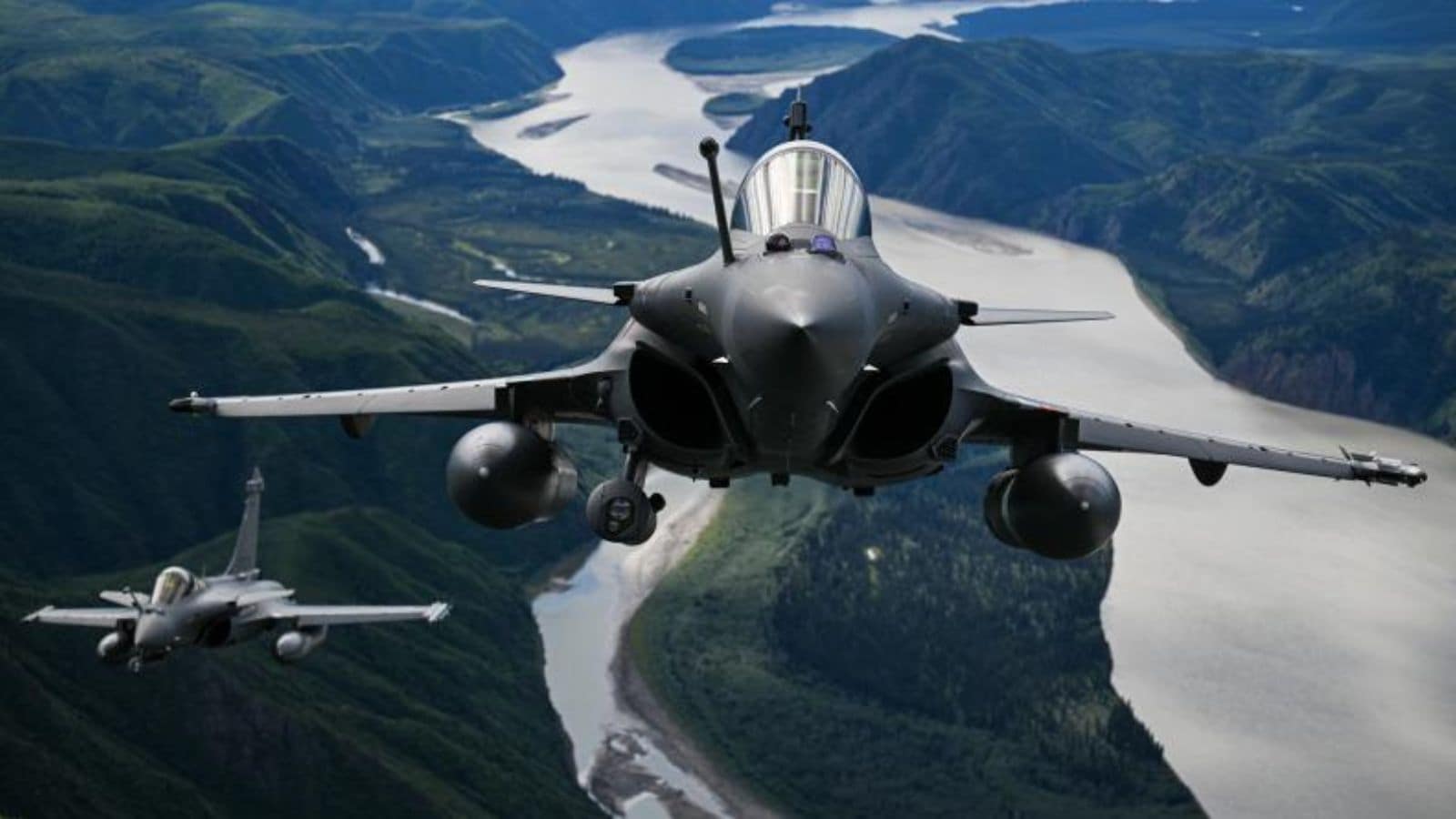
Over the past forty-eight hours, the sky above Kyiv and the scarred streets of Donetsk have traded fire in a grim, familiar rhythm. Drone motors buzz like angry hornets through the sub-zero dark, followed by the concussive thump of interceptors and the shudder of shattered glass. It is a war measured not just in territory lost or meters gained, but in the frantic ticking of clocks. Because miles away, across an ocean and a different political universe, another kind of countdown is ticking down to zero.
Volodymyr Zelenskyy is packing a bag.
Not for a frontline trench. Not for a hasty retreat under the cover of artillery smoke. He is preparing for a meeting in Washington, D.C., with Donald Trump.
To understand the weight of that single appointment, you have to step away from the cable news chyrons and the sterile wire reports. You have to imagine standing in a kitchen where the walls are cracked from a blast wave three weeks ago, watching a mother boil snow because the water mains are dead. She doesn't care about geopolitics. She cares about warmth. Yet, every missile that arcs through the night sky right now is an argument, a desperate, bloody punctuation mark written in fire, meant to be read across the Atlantic before that hand is shaken in the Oval Office.
Both sides know the math. Winter is no longer coming; it is squatting heavily over the trenches, freezing mud into jagged rocks and turning every breath into a plume of white smoke. The strikes have intensified not because a breakthrough is imminent, but because leverage is currency. Every drone launched, every air defense battery depleted, every civilian block rattled by shrapnel becomes a line item in a ledger that will be audited in a room with mahogany tables and reporters shouting over camera shutters.
Consider what happens when a nation fights with an expiration date stamped onto its ammunition crates.
For nearly three years, the narrative has been one of stubborn, defiant resistance—David with a HIMARS launcher. But David is exhausted. The muscles in his arms ache. The sling is frayed. And the giants watching from the sidelines are changing their tune, shifting from open-ended solidarity to hard-nosed calculations of cost, benefit, and political survival.
When Zelenskyy boards that plane, he carries more than diplomatic briefs. He carries the ghost of every burnt-out substation, the silence of classrooms left empty by migration, and the fierce, unyielding pride of a people who refuse to be erased from the atlas. But pride doesn't stop ballistic trajectories. Pride doesn't manufacture 155-millimeter shells.
Across the negotiating table sits a man who views the world through the lens of a real estate deal, where everything has a price tag and every conflict has a bottom line. Trump has long insisted he could end this war in twenty-four hours. It is a boast born of political theater, yet it carries a terrifying gravity for Kyiv. A rapid settlement usually means a dictated peace. It means drawing a sharp, permanent line through someone else's living room and calling it a compromise.
This is the invisible architecture of the current escalation. The trade of deadly strikes is a brutal audition for the room where it happens. Ukraine strikes deep to prove it is not defeated, to show that its capability to bite back remains intact even as its cities strain at the seams. Russia pounces with massive aerial barrages to demonstrate inevitability, to convince weary Western capitals that continued investment is throwing good money after a lost cause.
Meanwhile, ordinary people bear the friction of these grand chess moves.
I remember talking to a former schoolteacher in Kharkiv who now volunteers at a soup kitchen housed in a basement with no lights. She didn't talk about borders or NATO membership. She talked about the sound of silence. "The worst part isn't the explosions," she told me, her hands trembling slightly as she stirred a massive pot of cabbage soup. "It's the thirty seconds right after. When the dust hangs in the air, and you're listening to see if your neighbor's roof is still there, or if you're next."
That is what gets lost in the policy briefs. The sheer, suffocating weight of anticipation.
When the leaders meet, they will speak in the language of security guarantees, territorial swaps, mineral rights, and geopolitical spheres of influence. They will parse words like ceasefire, demilitarization, and sovereignty. But underneath every syllable will be the memory of tonight's sirens. The smoke hanging low over the rooftops of Dnipro. The cold iron of a rifle barrel in the mud outside Pokrovsk.
The stakes are not abstract. They are written in the ash of power stations and the hollowed-out eyes of children sleeping in subway stations.
The door to the Oval Office will open soon. Flashbulbs will pop. Hands will shake for the cameras, capturing a moment that will be dissected by pundits for weeks. But the real negotiation is happening right now, in the dark, where the ground trembles and the sky burns, and two weary nations trade blows because they are both terrified of what comes when the music finally stops.