The earth smells different when it has been crushed. It smells like old stone, ground metal, and something ancient that refuses to die.
Above ground, the skyline is jagged. Concrete ribs jut into the pale Mediterranean sky like broken teeth. Dust hangs thick in the afternoon heat, coating olive leaves in a grey powder that chokes the sunlight. To anyone passing through, this is an end. A full stop written in rubble.
Yet, three feet beneath the shattered floor of a bombed-out storage shed, something is breathing.
Meet Ahmed. He is not a hypothetical symbol; he is a man with dirt permanently wedged beneath his fingernails and calluses thick enough to blunt a needle. Before the walls came down, his family tended three acres of citrus trees just outside Khan Younis. They knew the temperament of every orange tree like an old friend. They knew when it thirsted, when it sighed in the evening breeze, and when its roots reached deep enough to taste the sweet water resting beneath the coastal plain.
Then came the morning that changed the geography of his life.
When the dust finally settled weeks later, Ahmed walked back to his land. The trees were matches. The irrigation lines were shredded plastic ribbons. The soil itself was buried under tons of pulverized masonry, twisted rebar, and shattered plaster. Most people would have turned around. Most people would have called it a wasteland and looked for a tent, a line, a ration card.
Ahmed picked up a shovel.
The task before him was absurd. Moving concrete by hand is an exercise in stubborn grief. Every slab lifted is a reminder of what was lost. But Ahmed was not looking at the destroyed house. He was looking down.
Roots are remarkably stubborn things. A dormant root ball buried under debris does not immediately understand that war has happened. In the dark, insulated by layers of earth and stone, ancient citrus roots can survive weeks, sometimes months, waiting for moisture, waiting for a break in the dark. They are biological time capsules holding the genetic memory of sweet juice and green shade.
Consider what happens when you dig.
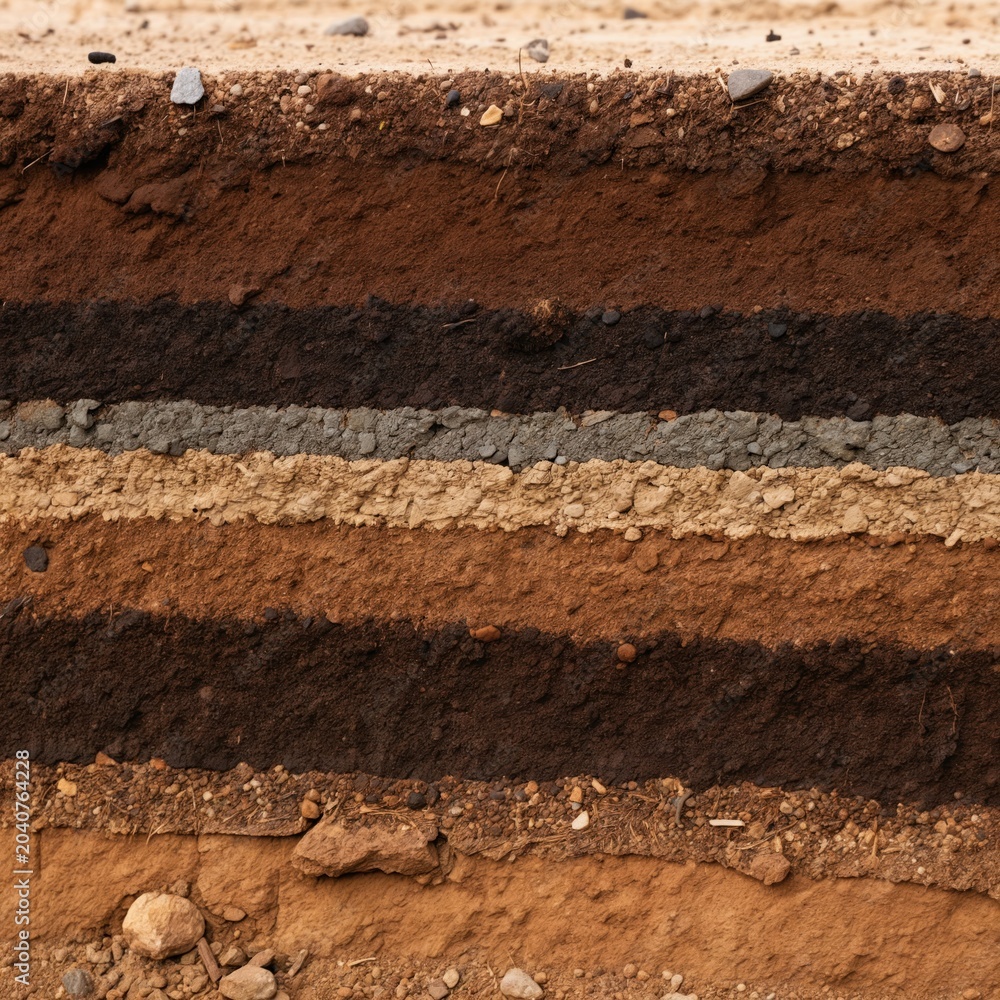
First, you encounter the surface trash—the gray debris of modern conflict. That has to be hauled away bucket by bucket, wheelbarrow by wheelbarrow. Then comes the layer of compressed, suffocating dust that bakes in the sun like cheap ceramic. Finally, if you go deep enough, you hit the damp, cool earth that still remembers winter.
Ahmed did not have heavy machinery. No tractors survived. No fuel could be bought. He had a rusted spade, a pair of leather gloves held together with twine, and his children.
His youngest son, Tariq, twelve years old and quiet in the way children become when they grow up too fast, carried the smaller stones away. They worked in silence for days. Not the peaceful silence of a country morning, but the heavy, watchful silence of a place holding its breath.
When Ahmed’s shovel struck something that didn't sound like rock, he froze.
It wasn't concrete. It was wood.
He dropped to his knees, brushing away the fine silt with his bare palms until he exposed a gnarled, dark knot of living bark. A stump. A stubborn, charred stump of a lemon tree that his grandfather had planted half a century ago. The trunk had been sheared off cleanly by shrapnel, but the root crown—that vital subterranean nexus where life organizes itself—was intact. Wet. Cool. Alive.
This is the part history books rarely capture. Resilience is not a grand speech or a political banner. Resilience is kneeling in the dirt with bleeding knuckles, whispering to a piece of dead wood as if it were a sleeping child.
Across the strip, other farmers are doing the exact same thing. They are becoming archaeological rescue workers for their own orchards. They sift through pulverized bricks to salvage organic matter, mixing it back into the depleted sand to recreate topsoil. They catch brackish water in salvaged plastic drums, letting it settle before gently pouring it over newly uncovered root systems.
It is painstaking, agonizing labor. It burns the lower back and cracks the skin. It offers no guarantees. A resurrected root might push out a few brave green shoots in the spring, only to wither if the next heat wave hits without water. The stakes are absolute: survival, dignity, and the stubborn insistence on a future in a place where futures are routinely cancelled.
The statistics tell one story. They note that thousands of agricultural acres have been flattened, that greenhouses have been reduced to skeletons, and that local food production has dropped to a fraction of its pre-war output. Those numbers are true. They are mathematically precise.
And they are entirely incomplete.
Because mathematics cannot measure the stubbornness of a seed. It cannot account for the way a community binds together to share a single working hand-pump, or how old farming knowledge—passed down through generations of oral tradition—becomes a survival manual when the internet and power grids fail.
Weeks after Ahmed uncovered that first lemon stump, a miracle happened that wasn't really a miracle at all. It was biology doing what biology has done for millions of years.
A tiny, lime-green bud poked its head out of the charred wood.
It was no bigger than a fingernail. It looked fragile enough for a single stray gust of wind to snap. When Tariq saw it, he didn't cheer. He just crouched down, touched the tip of his finger against the leaf, and smiled.
That leaf is not going to feed a city tomorrow. It is not going to instantly restore the local economy or erase the scars carved into the landscape. But it proves something vital. It proves that what is buried is not necessarily dead.
The soil remembers. The roots know the way back to the sun. And as long as there are hands willing to move the weight of the world off their green shoots, the story of this land is not finished yet.


