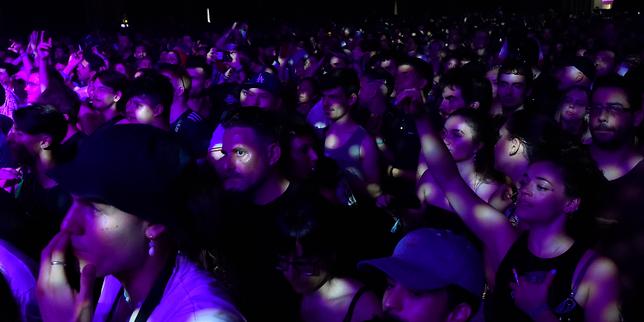
The old playbook for European electronic music festivals is officially dead. For three decades, veterans of Sonar Barcelona knew the routine by heart. You baked under the midday sun at Fira Montjuïc, rushed back to your apartment or hotel to grab a quick shower, and then navigated the sweaty logistical nightmare of getting across town to Fira Gran Via for the nighttime marathon. It was a rite of passage, sure. It was also exhausting, split by an awkward multi-hour dead zone where the momentum of the day completely evaporated.
That era is over. Sonar is undergoing its most radical structural evolution since its birth in 1994. The festival is completely merging its Day and Night editions into a single, unified experience at Fira Gran Via. No more venue switching. No more daytime versus nighttime tickets.
This isn't just a minor tweak to the schedule. It is a massive institutional pivot designed to fix the fragmented energy that has plagued large-scale urban music festivals for years. Moving everything under one roof simplifies logistics and fundamentally alters how the artists perform and how you experience the music.
The Logistics of a Unified Mega Festival
Splitting a festival between two major venues on opposite sides of a European city creates massive operational friction. If you've ever tried to force your way onto a packed metro train or track down an elusive taxi in Barcelona at 11:00 PM along with 20,000 other dazed clubbers, you know the pain.
By pulling everything into Fira Gran Via, the organizers are creating a massive 24-hour hub. The hours are shifting. Instead of closing down the day site in the late afternoon and opening the night doors hours later, the music will run continuously. Doors open at 5:00 PM every day. On Thursday, the bass rolls until 3:00 AM, while Friday and Saturday stretch all the way to 7:00 AM.
You enter through one gate and stay as long as your legs allow. Six stages—three indoors and three outdoors—will run simultaneously. The physical footprint of the festival is expanding into entirely new zones of the Fira Gran Via complex to accommodate the shift.
- SonarVillage leaves its old home and takes over the massive open-air space formerly occupied by SonarPub. It will be the central heartbeat of the outdoor area, running continuously from gates open until close.
- SonarPark moves completely outdoors, featuring an entirely redesigned and expanded stage structure tailored for raw club sounds and sub-genres.
- SonarHall gets a technical face-lift inside, transitioning smoothly from an intimate live concert setting into a heavy, dark club environment as night falls.
The real win here is the elimination of the forced migration. You can wander from a live ambient hardware set straight to an open-air techno stage in less than five minutes. The narrative of the day doesn't break.
Reclaiming the Lost Art of the Extended Set
Festival culture has a major problem right now: the predictable one-hour slot. Mainstream festivals have spent years condensing artist sets into hyper-optimized, fast-paced performance bites. It turns electronic music into a sequence of predictable drops rather than a journey.
The unified layout allows the festival to push back against this trend. Look closely at the curation strategy for the SonarCar stage. It is ditching the traditional rotating door of DJs in favor of a massive, three-day takeover by STOOR Live, the improvised hardware project led by Dutch techno mainstay Speedy J.
Instead of pre-recorded sets and USB sticks, this stage will feature fully unscripted, extended live hardware jams lasting over six hours each night. Speedy J will share the stage with a rotating cast of four different electronic performers per session. No rehearsals, no laptops, just raw synthesizers, drum machines, and modular rigs reacting to the crowd in real time. It is a massive gamble on live musicianship at a time when much of the festival industry relies on safe, pre-programmed lighting cues and familiar hits.
This long-form formatting is scattered across the entire 2026 lineup. The massive SonarClub indoor space is getting a completely overhauled sound system and advanced visual tech to support heavy stadium-sized live performances, including the festival debut of legendary British rave outfit The Prodigy. By breaking down the wall between day and night, booking coordinators can place experimental, avant-garde acts right alongside monolithic headline names without alienating the daytime crowd.
Moving the Brain to Llotja de Mar
While the musical core of the festival finds a permanent home at Fira Gran Via, the intellectual engine is heading into the historic heart of the city. Sonar+D, the festival’s dedicated technology, digital art, and industry conference, is setting up shop in the majestic neo-classical Llotja de Mar building right by the Barceloneta waterfront.
Keeping a tech conference inside a massive rave venue has always been a tough sell. It’s hard to network or concentrate on a panel discussion about machine learning when a soundcheck is rattling the drywall next door. Moving the bulk of the conference to a distinct daytime home from 10:00 AM to 8:00 PM on Thursday and Friday fixes this context collapse.
The programming themes for the conference reflect the cultural anxiety surrounding the creative arts right now.
AI and Music After the Bubble
The industry has moved past the initial shock of generative technology. The conversation isn’t about whether algorithms can make music anymore; it's about what happens now that they do. Panels featuring researchers from Queen Mary University’s Computational Sonic Arts Lab and tech pioneers will explore how working musicians are protecting their copyrights and integrating these tools into live physical performances without losing the human element.
Escaping the Screen
After a decade of festivals dominating audiences with increasingly massive, high-definition LED backdrops, a distinct creative backlash is brewing. The focus is shifting back toward physical engineering, spatial audio, and interactive code that forces the audience to look at each other rather than staring blankly at a screen.
The Dark Forest Internet
With major social media platforms heavily corporate-owned and governed by monetization metrics, underground music subcultures are actively retreating. Creative communities are moving toward decentralized, private digital spaces to share tracks and organize events. The conference will host workshops detailing how independent artists can build sustainable careers entirely outside the traditional streaming ecosystem.
A curated selection of digital art installations and interactive exhibits will still sit inside the main Fira Gran Via venue so general ticket holders can experience the creative tech side of the festival without buying a separate industry pass.
Navigating the New Format
If you are planning to attend the festival under this new unified structure, your traditional approach won't work. The physical demands of navigating a single massive venue for up to 14 hours straight require some strategic planning.
First, ignore the temptation to arrive exactly at 5:00 PM every single day unless there is an early act you absolutely cannot miss. Pacing is everything when a venue stays open until 7:00 AM. Treat the early evening hours on Thursday as an opportunity to scout the redesigned layout of the outdoor stages and check out the indoor installations before the crowds peak.
Second, understand the transit infrastructure. Fira Gran Via is highly accessible via the Barcelona Metro system (L9 Sud line directly to the Fira or Europa|Fira stations). Because the venue doesn't change, the traditional midnight transport rush is eliminated. You can leave whenever your energy drops without fighting the entire attendance base for a spot on the platform. If you plan to attend the daytime Sonar+D sessions at Llotja de Mar before heading to the main music program, utilize the local bus networks or the metro lines connecting Barceloneta to the southern industrial zone of the city. Secure your accommodation along the metro lines that bridge these two core geographic hubs to minimize transit downtime. Ensure you buy your transport passes in advance to avoid the inevitable ticket machine lines during peak festival hours.