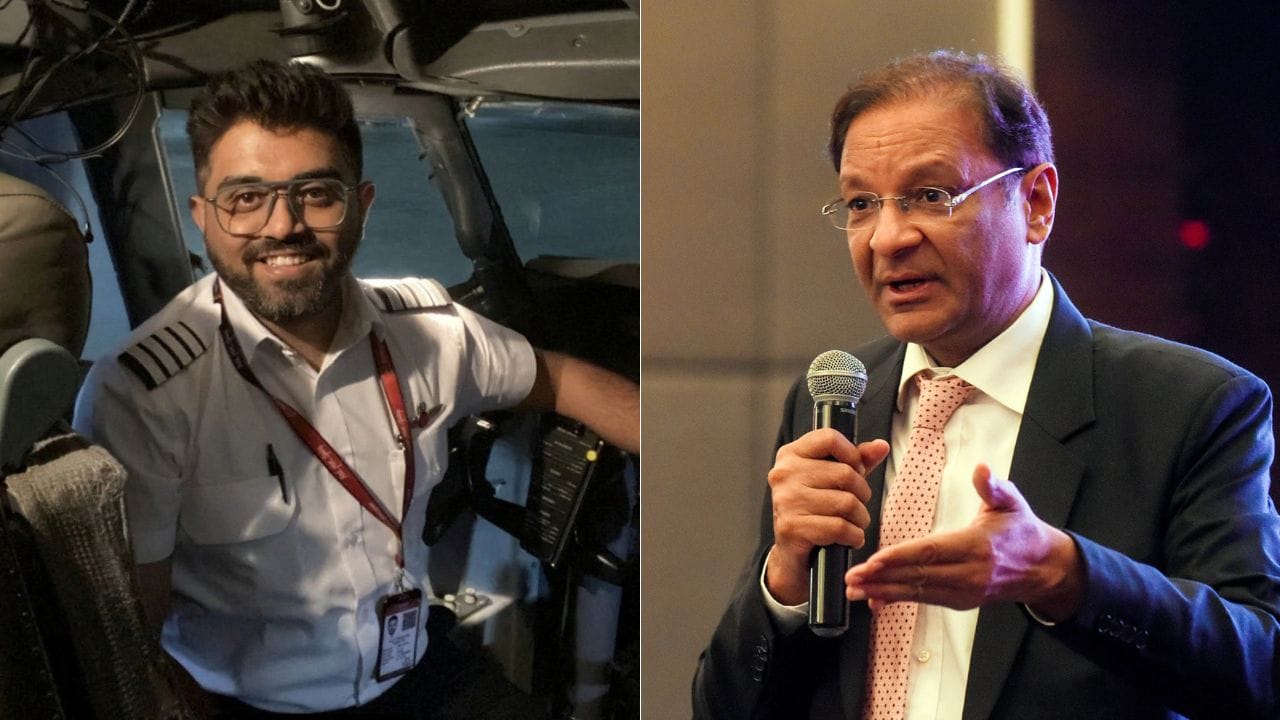
Airlines bleed talent every single day. Pilots leave for better pay, smoother schedules, or carriers with fewer financial turbulence reports. So when a major airline executive publicly praises a pilot who used to fly for them, it catches your attention. SpiceJet Chief Executive Officer Ajay Singh recently shared high praise for a flydubai pilot who previously earned their stripes inside the SpiceJet cockpit.
People usually brush these moments off as corporate PR fluff. They aren't. Behind the polite LinkedIn posts and public handshakes lies a fierce battleground for skilled aviation professionals. Aviation isn't just about metal tubes and jet fuel; it is entirely about human capital. When a competitor's pilot gets a public shoutout from the top brass, it reveals a lot about how airlines view talent retention, career mobility, and industry respect.
Let's break down why this specific interaction matters, what it tells us about modern pilot career paths, and why the aviation sector treats its flight deck crews like rock stars.
The Reality of Pilot Mobility in Global Aviation
Pilots don't stay in one place forever. The career ladder in aviation demands calculated moves. You start at regional carriers or low-cost operators, build your hours, upgrade to left seat captain, and eventually look toward major international carriers or Gulf airlines for better long-term packages.
SpiceJet has historically served as a vital training ground for Indian aviation. Many aviators cut their teeth navigating congested domestic airspace, dealing with unpredictable monsoon weather, and handling quick turnaround schedules on Boeing 737 or Bombardier fleets. Those operational trials forge exceptional stick-and-rudder skills.
When a pilot transitions from SpiceJet to flydubai, they carry that hard-earned resilience into a new network. Flydubai operates a massive, highly efficient single-aisle operation that demands absolute precision. For SpiceJet's leadership to acknowledge a former pilot's success over at flydubai, it signals a quiet pride in the foundational training the home airline provided.
Why Airline CEOs Watch Their Alumni Networks
CEOs hate losing top talent, but smart leaders know that alumni networks are goldmines. Ajay Singh's public acknowledgment wasn't just a friendly nod. It was a strategic statement about industry standards.
When your former employees thrive at prestigious international airlines, it validates your training programs. It proves that the operating standards inside your cockpit meet global benchmarks. Flight safety audit teams and international aviation regulators look closely at these talent pipelines. If pilots graduating from a specific carrier's training ecosystem seamlessly integrate into complex international carriers, the underlying training quality is undeniable.
Think about how other industries handle this. Tech companies take immense pride when former engineers build unicorn startups or lead engineering teams at FAANG companies. Aviation works the exact same way. An airline's reputation rests heavily on the competence of the people who sat in its flight decks.
The Flydubai Factor
Flydubai has grown into an aviation powerhouse. Operating side-by-side with Emirates, it connects passengers across the Middle East, Europe, Africa, and South Asia with a streamlined Boeing 737 fleet.
Landing a spot in the flydubai flight deck isn't easy. The screening processes involve rigorous simulator assessments, psychological evaluations, and strict command-ability checks. Pilots who make the jump have to adapt to new regulatory environments, strict Middle Eastern air traffic management protocols, and multi-national crew dynamics.
When a pilot successfully bridges that gap from a domestic low-cost carrier in South Asia to an international regional carrier based in Dubai, they master a unique professional pivot. They learn how to scale their situational awareness. They shift from high-density, high-stress domestic routes to structured, long-haul and regional international operations.
What This Tells Us About Aviation Culture
Most passengers look at airlines through the lens of ticket prices, legroom, and whether their bags arrived on time. They rarely think about the intricate web of professional relationships binding the industry together.
Behind the corporate rivalries, the aviation community remains remarkably tight-knit. Captains know captains. Training directors share notes. Check airmen talk. Public praise from a CEO breaks the usual corporate silence and highlights the human element of aviation.
It also sends a powerful message to current SpiceJet pilots watching from the inside. It shows that leadership notices competence. It proves that hard work on the flight deck doesn't go unnoticed, even if that pilot eventually moves on to a different uniform and a different airline.
Navigating Your Own Career Shifts in Specialized Industries
You can apply these exact dynamics to any high-stakes professional field, whether you're in tech, finance, or engineering.
- Never burn bridges: The professional world is much smaller than you think. The CEO cheering for you today might be your business partner, client, or employer tomorrow.
- Master the fundamentals early: High-stress environments like budget airlines force you to learn fast. Embrace the chaos early in your career because those reps build the resilience you need later.
- Build a reputation for reliability: Skills can be taught, but operational reliability and calm decision-making under pressure are rare. Make sure people remember you for how you handle crises.
Aviation will always face talent crunches, pilot shortages, and fierce competition for the best flight deck crews. Moments like this remind us that beneath the quarterly earnings reports and fleet expansion announcements, aviation is a craft driven by skilled individuals who take immense pride in what they do.