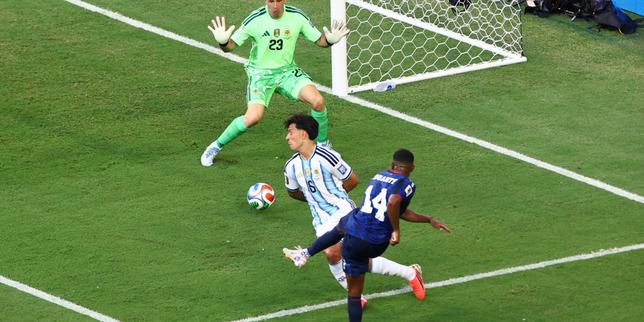
Brazilians eat, sleep, and breathe football. With massive tournaments dominating TVs and smartphones across the country, millions of fans are doing more than just cheering. They are wagering serious money. Every corner bar from São Paulo to Salvador features fans staring at mobile apps, checking odds, and placing instantaneous bets via Pix.
But behind the thrill of the game lies a massive problem. Brazil legalized fixed-odds sports betting back in 2018 under Law 13,756. Yet, it took until January 2025 for the fully regulated market to launch. Now in 2026, with over 190 licensed platforms operating under the official government domain extension, the country faces an uphill battle against a shadow economy that threatens the very core of its favorite sport.
Public prosecutors, federal police forces, and congressional committees are sounding alarms. The massive wave of corporate cash hasn't just funded club jerseys. It has invited intense scrutiny over match-fixing, black-market financial schemes, and predatory marketing targeting the nation's youth. The reality is messy. Brazil wanted a regulated tax goldmine, but instead got a wildfire that it's desperately trying to contain.
The Wild West of the Digital Grey Market
For years, offshore betting operations dominated the local scene. They paid zero taxes. They operated out of Mediterranean islands or Caribbean tax havens. When the Ministry of Finance finally opened the licensing application window through the Secretariat of Prizes and Bets (SPA), the goal was clear. Force companies to set up a local entity, pay a massive entry fee of 30 million Brazilian Reais, and hand over a chunk of Gross Gaming Revenue.
The money rolled in quickly. Major operators willingly paid the fee to secure five-year authorizations. The state established a 12% tax rate on revenue, intending to channel funds into public security, education, and sports development.
But creating a legal framework doesn't make the illegal market vanish overnight. Rogue operators continue to lure millions of unsuspecting citizens. These offshore platforms ignore local advertising bans. They don't enforce age verification. They bypass the federal monitoring networks completely.
The underground market remains huge because it offers slightly better odds. Why? It doesn't face the tax burden or compliance expenses that legitimate local operators must shoulder. It's an unfair playing field. Licensed brands are complaining. The government is losing out on projected tax windfalls. The everyday fan is the one caught in the middle.
Influencers and the Social Media Scam Machine
The darkest corner of this betting boom doesn't live on television commercials. It thrives on Instagram and TikTok. Local law enforcement recently uncovered a massive web of deception orchestrated by high-profile social media stars.
In a recent legislative inquiry, police chiefs detailed exactly how these scams operate. The tactics are surprisingly simple. Underground betting companies hire popular influencers to promote specific digital gambling games. The companies provide these influencers with special "demo" accounts. These aren't normal accounts. They are rigged to show constant, massive financial wins.
The influencer records their phone screen, celebrating a massive jackpot that took seconds to win. They flash expensive watches and luxury cars. They post a link, telling their millions of teenage followers that anyone can achieve the same results.
It is entirely fake. When a regular person clicks that link and deposits their hard-earned cash via a Pix transaction, the actual odds kick in. They lose everything. Law enforcement officials in the state of Alagoas spearheading "Operation Game Over" revealed that millions of Reais were drained from poor communities through these deceptive influencer campaigns.
The money doesn't stay in the local economy. It flows through shell companies and hidden fintech payment processors, vanishing into overseas bank accounts before local authorities can even trace the transaction.
Money Laundering and the Infiltration of Organized Crime
The scale of the financial transactions caught the attention of federal prosecutors for reasons beyond consumer fraud. Criminal organizations noticed how easy it is to move cash through high-volume betting platforms.
Earlier this year, the São Paulo Public Ministry and military police joint forces launched a major initiative named "Operation Cash Out." The investigation revealed that a sophisticated drug trafficking syndicate was utilizing online betting networks to wash illicit proceeds. They weren't just guessing scores. They were repeatedly depositing millions of Reais in cash, spinning the funds through various wagers, and withdrawing clean money under the guise of legitimate betting winnings.
Authorities managed to freeze 13 million Reais in assets during that single operation, seizing luxury vehicles and real estate. The case exposed a critical flaw in the market's initial oversight. When millions of tiny digital payments move every second, spotty monitoring allows massive criminal networks to slip through the cracks.
The Ministry of Finance has tried to combat this by requiring all certified gaming systems to link directly to a centralized federal monitoring system known as SIGAP. Every single bet, win, and identity check must be logged in real-time. But tech-savvy cartels keep finding ways to exploit legacy loopholes, using identity theft and fake accounts to bypass the anti-money laundering filters.
The Integrity Crisis on the Football Pitch
If you think the corruption is limited to financial networks, look closely at the pitch. The integrity of Brazilian football is facing its greatest test. When a single player can alter the outcome of a match to satisfy a specific betting line, the entire sport suffers.
Match-fixing is no longer a theoretical threat. It is happening in regional tournaments and top-tier divisions alike. Criminal syndicates don't necessarily care about who wins the match. They focus on micro-betting markets. They bribe a defender to pick up a yellow card in the first half. They pay a goalkeeper to concede a specific number of corner kicks.
These spot-fixing schemes are incredibly difficult to detect because they blend into the natural flow of a match. A bad tackle just looks like an accident. A misplaced pass looks like human error. But on the digital exchanges, syndicates place massive, coordinated wagers on those exact moments occurring.
To fight back, the federal government enacted a specialized initiative. The Federal Police established a dedicated unit called "Base Apostas." This group uses advanced data analytics, international financial intelligence, and direct cooperation with sports monitoring agencies to track unusual betting patterns.
If a sudden surge of money from an offshore account enters a market predicting a random red card in a low-tier state championship game, the red flag flies. The investigation begins immediately.
The Government Fights Back with Drastic Decrees
The executive branch realized that writing laws isn't enough if you lack the teeth to enforce them. President Luiz Inácio Lula da Silva signed a major emergency measure to give authorities immediate, sweeping powers.
Decree 13,033 changed the rules of engagement. Under this directive, the government can instantly freeze the bank accounts and financial assets of unlicensed, illegal betting operations. The Secretariat of Prizes and Betting identifies the rogue platform, sends the order, and local banks must block the financial channels within 24 hours.
The Central Bank of Brazil oversees this enforcement mechanism. The funds frozen through these actions are earmarked for forfeiture, with the proceeds directly funding the National Public Security Fund to fight organized crime.
This isn't just about blocking a website domain. If a company can't process payments or accept deposits within Brazilian borders, its business model collapses instantly. However, the legal system moves slowly. The decree requires administrative hearings and judicial rulings before the money is permanently seized.
What You Should Do Next
Navigating this chaotic market requires caution whether you are a casual fan or an industry observer. The wild days of unregulated betting are ending, but the risks remain high.
First, check the domain name. If you are placing a wager, ensure the platform operates strictly under a verified registration with the Ministry of Finance. Legitimate, licensed operators must use the designated government-approved local structure. If the web address ends in a generic foreign domain, close the window. You have no legal protection if they refuse to pay out your winnings.
Second, ignore social media hype. No legitimate betting company uses hidden algorithms or secret trick links to guarantee wins. If an influencer shows a video of an easy payout, it is a deceptive demo account. Treat sports betting as a form of entertainment with a cost, never a retirement plan or a reliable income stream.
Third, monitor your spending habits. Under new rules, licensed operators must provide accessible self-exclusion tools and allow you to set strict deposit limits. Use them. If a platform makes it difficult to limit your deposits or close your account, report them to the Ministry of Finance immediately. The era of the unregulated wild west is closing, and consumers must demand total accountability from the platforms taking their cash.