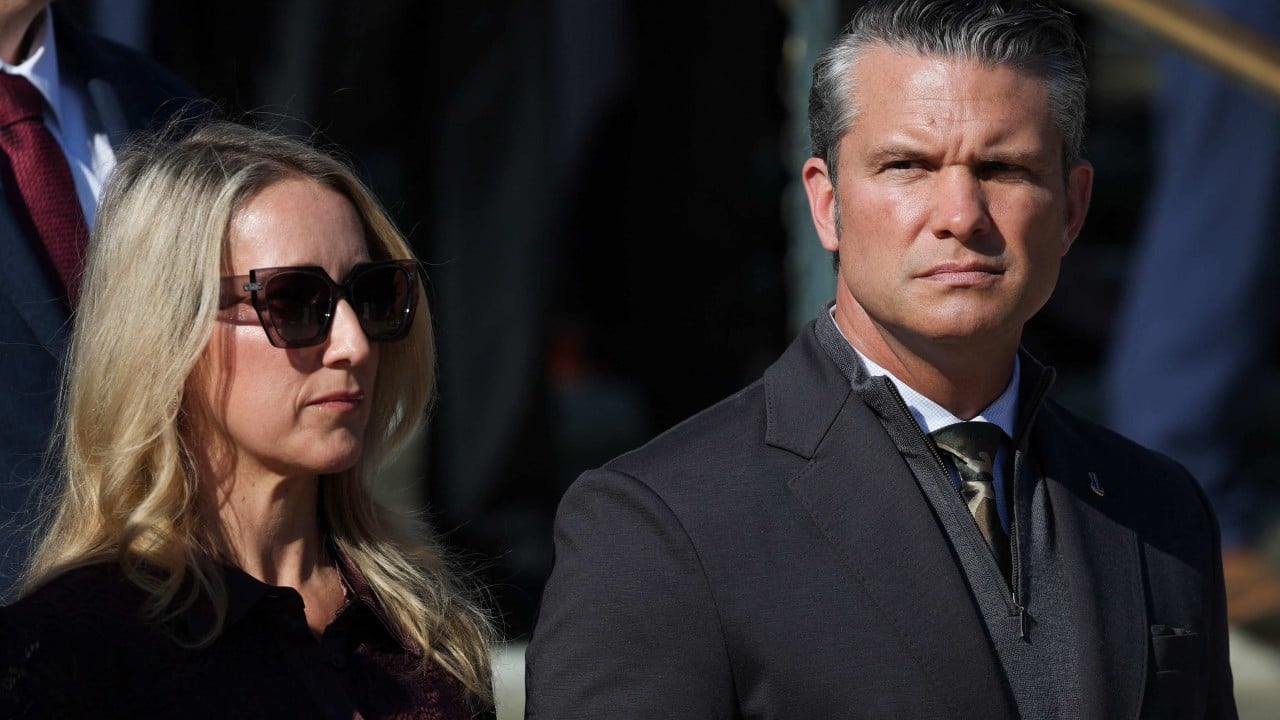
On Veterans Day, November 11, 2026, Defense Secretary Pete Hegseth and a group of senior aides were loudly reprimanded by a U.S. Army sentinel after laughter and chatter broke out while they posed for photographs at the Tomb of the Unknown Soldier. The guard, Army Specialist Thomas Iglesias of the 3rd U.S. Infantry Regiment, halted his rhythmic march on the plaza mat, turned toward the Secretary's entourage, and shouted a standard directive that visitors maintain an atmosphere of silence and respect at all times.
That single command cut through the crisp autumn air at Arlington National Cemetery. It also exposed a widening fault line inside the modern Pentagon.
Most initial coverage treated the viral clip as a fleeting protocol gaffe or a partisan talking point. Looking closer reveals something far more telling about institutional culture, the collision between media-driven politics and rigid military tradition, and how senior leadership manages public embarrassment when the cameras are rolling.
What Actually Happened on the Plaza
The incident occurred immediately following the National Veterans Day Observance, an annual event featuring a presidential wreath-laying ceremony. Rather than departing quietly once the formal proceedings concluded, Hegseth lingered on the marble steps near the sarcophagus.
With him were his wife, Jennifer, Chief of Staff Ricky Buria, Deputy Chief of Staff Patrick Weaver, and Senior Adviser Tami Radabaugh. As the group arranged themselves for pictures in front of the monument, casual conversation gave way to audible laughter.
Specialist Iglesias did not hesitate. Executing the exact manual of arms prescribed for his post, he clicked his heels, faced the group, and delivered the rebuke at full volume. The group immediately fell silent. Within hours, raw video from bystanders and press pools saturated social media, drawing sharp condemnation from veterans, lawmakers, and former military officials.
The Anatomy of Sentinel Protocol
To understand why the moment resonated so deeply across the ranks, one must understand the rules governing the Tomb of the Unknown Soldier. Guarded continuously since 1937—24 hours a day, 365 days a year, regardless of weather—the site represents the highest standard of ceremonial discipline in the United States Armed Forces.
Sentinels from The Old Guard undergo months of grueling preparation before earning the Tomb Guard Identification Badge, one of the rarest awards in the Army. Their duties are governed by strict standing orders:
- Zero Rank Display: Sentinels wear no rank insignia on their uniforms while on duty so they never outrank the unidentified service members buried beneath the plaza.
- Total Egalitarian Enforcement: The standing orders make no distinction between a middle school tour group, a four-star general, or the Secretary of Defense. Noise, levity, or crossing the chains triggers an immediate, vocal correction.
- Routine Frequency: According to former Tomb guards, verbal reprimands happen two to three times a day during peak visiting months.
The mechanism is intentionally blind to political hierarchy. When Specialist Iglesias shouted at the Secretary's party, he was not staging a protest or breaking protocol. He was following an unyielding standard designed specifically to strip away earthly status in the presence of war dead.
The Counter-Perspective and the Pentagon Pivot
Supporters of the Defense Secretary quickly pointed out that the Tomb plaza is a crowded, emotionally charged environment where even well-meaning visitors occasionally misjudge acoustic carry. From this viewpoint, a brief moment of levity after a solemn ceremony is human error, not malice.
Chief Pentagon spokesman Sean Parnell moved within hours to frame the event around institutional order, stating that the soldier "correctly and respectfully reminded everyone to maintain decorum".
Then came the counter-move.
On Thursday, November 12—less than 24 hours after the video went viral—Hegseth invited members of the 3rd U.S. Infantry Regiment to his Pentagon office. In front of official photographers, he pinned the Joint Service Commendation Medal onto Specialist Iglesias's chest for the execution of his duties on Veterans Day. Accompanying the photos on social media, Hegseth wrote: "We love soldiers. We love standards. Well done, Specialist".
It was a shrewd piece of crisis communications. By decorating the exact soldier who had publicly dressed him down, Hegseth attempted to neutralize critics and co-opt the narrative of military discipline.
Why the Medal Ceremony Divided the Ranks
Yet inside defense circles, the rapid-fire medal presentation sparked an entirely different debate. Awarding a Joint Service Commendation Medal typically requires a sustained period of meritorious service or a specific, extraordinary act—not performing a baseline duty that sentinels execute several times every afternoon.
Critics argued the ceremony turned a moment of genuine accountability into another photo opportunity. Former Republican congressman and Air Force veteran Adam Kinzinger contended that Hegseth treats military customs as a stage production, noting that posing for smiling group photos in front of the Unknowns already runs counter to the spirit of quiet reflection expected of the nation's top defense official.
Meanwhile, Democratic lawmakers seized on the episode amid broader political turmoil. Rep. Gwen Moore of Wisconsin pointed out that the Veterans Day incident occurred just one day after Hegseth narrowly survived an impeachment push in the House, arguing it demonstrated a persistent disregard for the weight of his office.
There is also a subtle institutional risk when senior leaders hand out decorations to defuse public relations blowups. Medals in the U.S. military carry precise weight because their criteria are rigidly guarded. When an award is issued overnight to smooth over a viral headline involving the Secretary's own entourage, rank-and-file troops notice the difference between earned recognition and damage control.
The Deeper Friction Between Media Culture and Military Tradition
Look past the partisan crossfire and the real story emerges. Pete Hegseth came to the Pentagon from a career in television commentary, an environment where constant visibility, curated imagery, and rapid narrative pivots are markers of success.
Arlington National Cemetery operates on the opposite axis. Its power comes from stillness, anonymity, and the deliberate erasure of individual ego.
When a senior official—particularly a former Army officer who has built his public brand around restoring "warrior ethos" and strict standards—treats the edge of the plaza as a backdrop for staff snapshots, the contradiction is glaring. A junior enlisted soldier had to remind the civilian head of the Defense Department how to behave at the most sacred shrine in American military life.
The contrast was captured in the raw audio of the event itself, which you can review in the news broadcast covering the Arlington reprimand.
Specialist Iglesias walked away from the week with a new ribbon on his dress blues and his reputation intact, having done nothing more and nothing less than his orders demanded. For the Pentagon's top leadership, however, the episode left a lingering question that no press release or medal ceremony can fully erase: whether standards in the building apply equally at the top, or only when someone is watching.
For further context on the incident and the sentinel's exact words on the plaza, watch the broadcast footage showing how the reprimand unfolded during the Veterans Day observance.