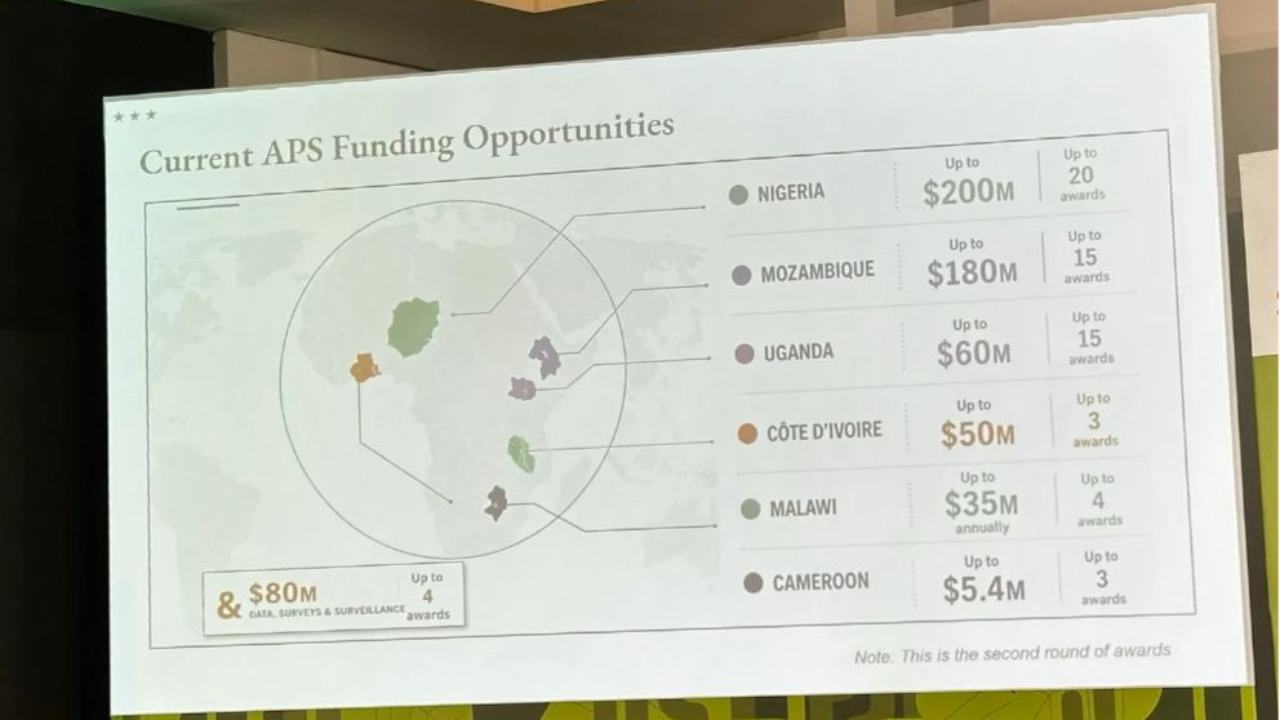
A diplomatic gathering in Brazil recently turned into a glaring lesson on automated hubris. The United States State Department distributed an AI-generated map that grotesquely mislabeled several African nations, triggering immediate outrage and quiet institutional panic. This was not a minor cartographic glitch. It was a symptom of a systemic disease spreading across government agencies and corporate boardrooms alike.
Blind faith in generative software has replaced human editorial judgment. When the State Department relied on automated tools to produce visual materials for an international summit, nobody checked the output. They trusted the machine because the machine operates quickly. That speed proved fatal to basic geographical accuracy.
Bureaucracies want cheap automation. Tech vendors promise efficiency. The result is a compounding series of embarrassing errors that degrade institutional credibility on the global stage.
The Anatomy of a Cartographic Failure
Geography is a matter of geopolitical sensitivity. Borders, names, and territorial designations carry weight. When an automated generator scrambles African countries, it signals carelessness to international partners who watch American power closely.
Generative models do not understand geography. They predict tokens based on statistical probabilities derived from training data scraped from the open internet. If the training corpus contains flawed maps, biased representations, or corrupted labels, the output mirrors those flaws. The software has no concept of truth. It only knows what looks plausible to an algorithm.
Civil servants working under tight deadlines often treat AI outputs as finished products rather than rough drafts. The pressure to produce assets faster than ever creates an environment where verification steps disappear.
Why Automated Design Fails Public Diplomacy
Public diplomacy relies on precision. Every visual asset distributed at an international conference undergoes strict protocol historically. Human designers, researchers, and regional experts review materials to prevent diplomatic insults.
By bypassing these checks in favor of rapid generation, the State Department outsourced its core competency to a black-box model.
- Loss of institutional memory: Younger staffers rely on tools they do not understand.
- Erosion of quality control: Speed replaces accuracy as the primary internal metric.
- Vulnerability to hallucination: Models invent boundaries and labels when data gaps appear.
The reliance on these systems reflects a broader institutional sickness. Leaders believe that installing software solves organizational sluggishness. Instead, it introduces novel failure modes that are harder to trace and fix.
The Illusion of Efficiency in Government Tech
Procurement officers love shiny things. Tech contractors pitch artificial intelligence as a magic wand that slashes budgets and accelerates output.
Consider the financial incentives at play. Software companies market generative platforms as solutions for understaffed communications departments. Agencies desperate to do more with flat budgets bite hard. They purchase licenses, deploy the tools, and lay off human contractors.
Then an international embarrassment happens.
An AI-generated map mislabels nations at a high-level summit in Brazil. The official response involves internal reviews, apologies, and swift remediation. Yet the underlying procurement pipeline remains unchanged. The agency keeps the software. The contractors keep their contracts.
This cycle repeats because accountability is diffused across bureaucratic layers. No single person owns the failure when a model hallucinates. The software vendor blames the user for not prompting correctly. The bureaucrat blames the algorithm. The taxpayer absorbs the cost of institutional incompetence.
The Training Data Blind Spot
Commercial models are trained on vast oceans of uncurated data. The internet is messy. It contains outdated maps, colonial-era designations, and deliberate misinformation.
When a government agency uses a commercial image generator without fine-tuning or proprietary guardrails, it inherits every historical error baked into the public web. Africa has endured centuries of cartographic violence, from European colonial partition to lazy Western media representations. Letting an unvetted neural network scribble across the continent's borders is a modern digital extension of that same disregard.
Regional experts exist within every major diplomatic body. Their job is to know the nuances of local politics, border disputes, and sovereign identities. Yet these experts are frequently bypassed because a dashboard interface promises a finished graphic in five seconds.
Rebuilding Human Oversight in the Age of Automation
Fixing this mess requires structural regression. Agencies must reintroduce friction into workflows that have been dangerously streamlined.
Speed is not the ultimate virtue of governance. Accuracy, legitimacy, and trust matter more than hitting daily content quotas. If a communications team cannot produce a reliable map without software assistance, they should draw it by hand or hire skilled cartographers.
The private sector watches these government slip-ups with nervous laughter while repeating the exact same mistakes internally. Corporate marketing teams pump out AI-generated infographics riddled with spelling errors and distorted imagery, hoping clients won't notice.
Eventually, clients do notice.
The Cost of Cheap Content
When organizations choose cheap generation over genuine expertise, they communicate a clear value judgment to the world. They signal that details do not matter. They signal that getting it fast matters more than getting it right.
That attitude trickles down through every layer of operations. If the State Department cannot maintain basic geographical hygiene on a conference handout, foreign adversaries take note. Competitors observe a superpower stumbling over its own digital tools.
Restoring integrity demands a return to mandatory human review boards. Every automated output destined for public consumption must pass through a verified chain of custody.
Technology should serve human institutions, not hollow them out from the inside. Until leaders accept that generative tools are unreliable narrators requiring constant supervision, public-facing embarrassments will continue to mount. The next map failure might happen on an even bigger stage, with consequences far more severe than bruised diplomatic pride.