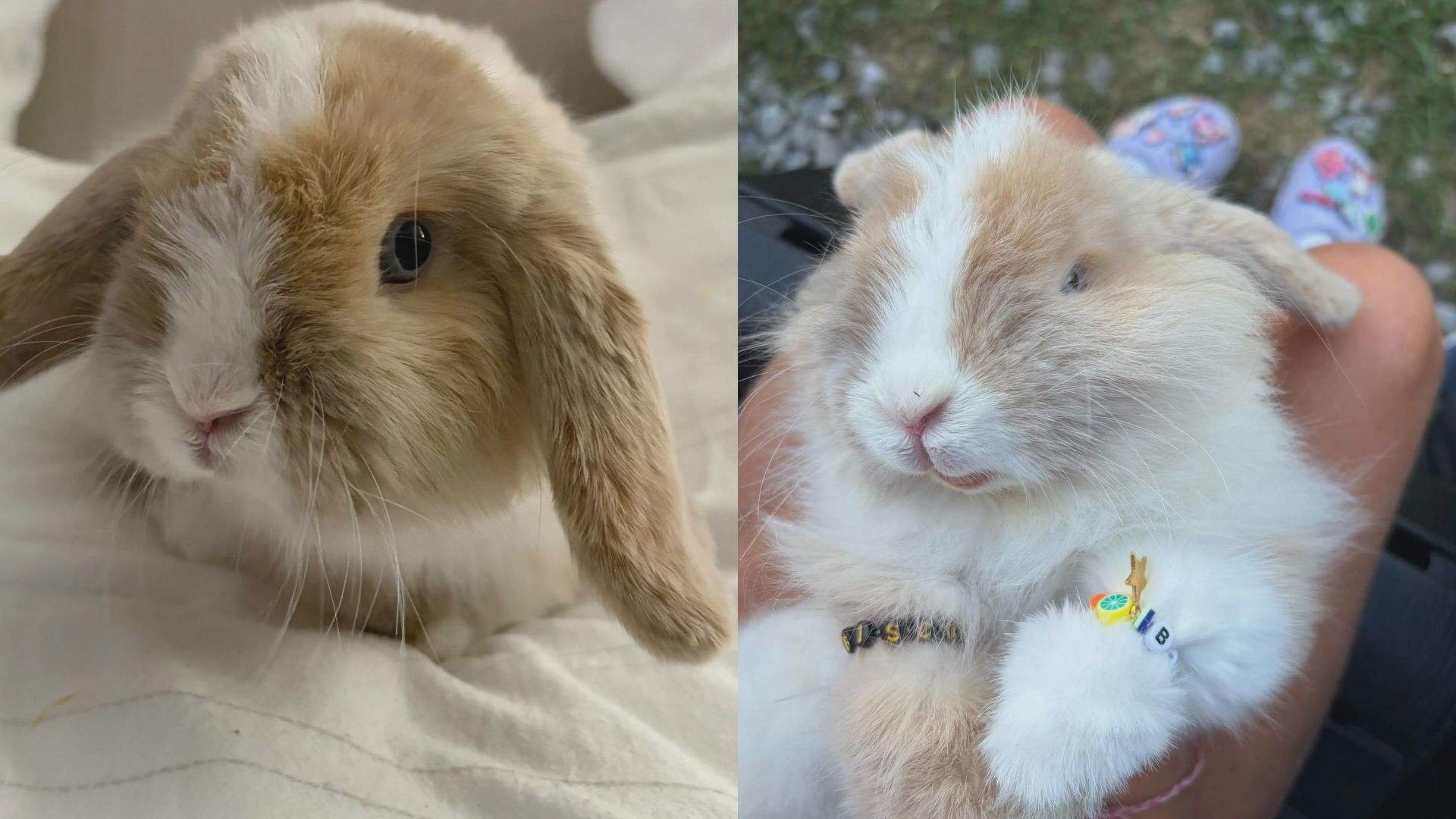
Every autumn, agricultural exhibitions across North America transform rural traditions into petting zoos for stressed suburbanites. When Biscuit the bunny was stolen from the Markham Fair, the local headlines wept on cue. Families were devastated. Children cried. The media churned out the standard, lazy narrative about the sanctity of community pets and the moral decay of modern thieves.
It is a comforting script. It paints a picture of innocent pastoral life disrupted by malicious outsiders.
It is also complete nonsense.
The outrage over a stolen exhibition rabbit misses the systemic absurdity of how we treat animals as disposable entertainment property. If we spent half the energy examining the commercial conditions that breed these animals for weekend display as we do wringing our hands over a missing cage occupant, we might actually fix the problem. Instead, society prefers the cheap emotional hit of a missing pet story while ignoring the baseline hypocrisy of livestock and pet exhibitions altogether.
The Commodity Trap of Weekend Livestock
Let us start with the uncomfortable economics of agricultural fairs. Animals like Biscuit are treated as living props for ten days and inconvenient liabilities for the other three hundred and fifty-five. We romanticize 4-H programs and petting barns, pretending they are sanctuaries of rural education. In reality, they are high-stress environments where domestic prey animals are subjected to flashing lights, screaming children, and continuous handling by people who have zero understanding of lagomorph ethology.
Rabbits are crepuscular, prey-driven animals. They experience high chronic stress when removed from stable environments and exposed to unpredictable human noise. Exhibiting them at a bustling county fair is not an act of appreciation; it is an exercise in human vanity disguised as agricultural tradition.
When a rabbit is stolen from such a venue, the public immediately points the finger at criminal deviance. Yet, the real crime is the baseline normalization of hauling
Why Stealing a Fair Bunny Exposes the Broken Logic of Pet Ownership
news
lifestyle
The headlines rolled in with predictable, tear-soaked fury. A family was completely devastated after Biscuit, a prized bunny, vanished from the Markham Fair. Social media convulsed. Pity poured out in torrents. The collective moral panic focused on the cruelty of parting a child from a fluffy mascot. Everyone pointed fingers at a brazen thief, demanding justice, security cameras, and a return to community trust.
The lazy consensus writes itself. Fairgrounds need more guards, pets need microchips embedded down to their souls, and human nature is fundamentally depraved for swiping a lagomorph off a straw-lined pen.
Let us stop right there and look at the structural absurdity of what we call pet custody.
I have watched agricultural societies spend hundreds of thousands of dollars on security upgrades for temporary exhibition spaces, treating petting zoos like Fort Knox, while completely ignoring the glaring contradiction of parading sentient animals through flashing lights, screaming crowds, and sticky-fingered children for a three-day weekend. If you put a stressed, high-maintenance prey animal into a chaotic public fishbowl, treating its eventual disappearance as a pure moral outrage rather than a predictable logistical failure is peak emotional blindness.
The Myth of Livestock Sanctuary at Public Exhibitions
Every single year, agricultural fairs market themselves as wholesome educational touchpoints. We tell ourselves that letting a toddler squeeze a rabbit teaches empathy. The reality is far uglier and much more transactional. These animals are commodities wrapped in fur, cycled through high-stress environments where they serve as passive entertainment until closing time.
When Biscuit went missing, the immediate public response assumed an act of malicious, targeted dognapping—or bunnapping. But let us examine the operational vulnerabilities of open-air agricultural exhibits. Pens are often makeshift. Supervision shifts are long, tedious, and manned by exhausted volunteers. Thousands of strangers stream past enclosures with zero bag checks and minimal active deterrence.
If you leave an expensive bicycle unlocked outside a convenience store in a high-traffic zone, society recognizes a baseline of shared risk, even if theft remains illegal. Yet, when it comes to live animals treated as movable property, we pretend that putting them on display in unsecured public corridors comes with a guarantee of absolute safety.
Biscuit's disappearance is not just a crime story. It is a symptom of a cultural dissonance where we commodify animals as interactive exhibits while expecting them to enjoy the same legal and physical protections as a family member sitting in a living room.
Dismantling the Emotion Around Animal Theft
Let us look at the legal and practical mechanics of pet recovery. When a dog or cat goes missing, the machinery of local shelters, veterinarians, and municipal bylaws kicks in. Microchips are scanned. Posters go up on hydro poles.
A rabbit at a fair occupies a bizarre legal grey area. Is it livestock? Is it a companion animal? Depending on the jurisdiction, agricultural displays operate under commercial exhibition rules that treat animals more like rented folding chairs than cherished dependents. When a chair goes missing, the vendor files an insurance claim. When a rabbit goes missing, it becomes a front-page tragedy about broken childhoods.
This brings us to the uncomfortable truth about public sympathy. We reserve our deepest outrage for photogenic victims. If a crate of prize-winning heritage poultry or a pen of feeder mice had been cleaned out overnight at the exact same fair, the local news would barely give it a footnote on page four. The hysteria surrounding Biscuit is entirely aesthetic. Soft fur and twitching noses dictate our moral bandwidth.
Imagine a scenario where agricultural fairs were forced to insure every exhibition animal at its full emotional and market replacement value, complete with mandatory biometric tracking and strict quarantine protocols. The cost of running these displays would skyrocket, forcing organizers to realize that keeping live animals in open petting pens for public amusement is an archaic, economically unviable liability.
💡 You might also like: The Boiling Point Inside Vancouver Classrooms That Nobody Wants to Talk About
Instead of facing that structural reality, we prefer to blame a singular anonymous villain. It is much easier to hunt for a phantom thief than to admit that the entire framework of public animal display is fundamentally flawed.
What Actually Works When Animals Go Missing
If you are an exhibitor or a fair organizer, relying on community goodwill and a few laminated signs is an operational disaster waiting to happen. The standard advice is to post on Facebook and hope for the best. That is not a strategy; that is a prayer.
Real security requires treating exhibition zones with the same rigor applied to high-value retail environments:
- Restricted Access Perimeters: No public touching zones without staff intermediaries controlling every interaction. If the public cannot physically grab an animal, nobody can slip one into a backpack.
- Mandatory Chain-of-Custody Logging: Every animal entering a fairground must be scanned, registered, and accounted for at mandatory morning and evening roll calls, rather than relying on lazy visual headcounts.
- Surveillance Architecture: High-definition, wide-angle cameras covering every single angle of livestock and small animal pavilions, monitored in real time rather than reviewed days later after the trailer has already left the parking lot.
Admitting these measures are necessary destroys the romanticized illusion of the rustic, carefree county fair. It forces us to acknowledge that when you mix crowds, minimal security, and live animals, you are inviting chaos.
The Real Problem With How We Treat Animals
The obsession over Biscuit's dramatic exit masks a much deeper hypocrisy. Society routinely consumes mass-produced animal products, supports commercial breeding mills, and subjects millions of livestock to industrial conditions every single day without batting an eye. Yet, let one cute bunny vanish from a fair pen, and we suddenly rediscover our collective conscience, demanding swift vengeance for a single stolen pet.
We want the aesthetic benefits of a cuddly, rural petting zoo without accepting the responsibility and the inherent risks of managing live organisms in an unsecured public space.
Stop pretending that a public fairground is a safe home for sensitive creatures. Stop acting shocked when the vulnerabilities of an archaic system are inevitably exploited. And stop letting emotional narratives blind you to the fact that the real negligence happened long before anyone ever walked off with the cage door open.