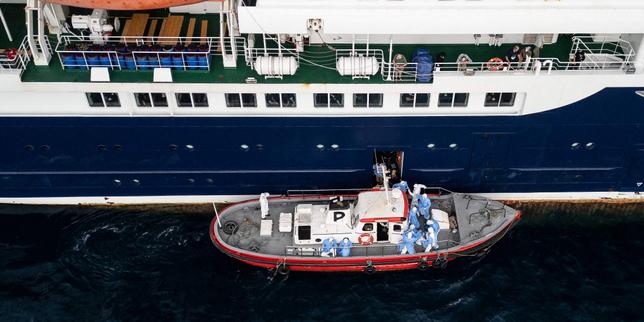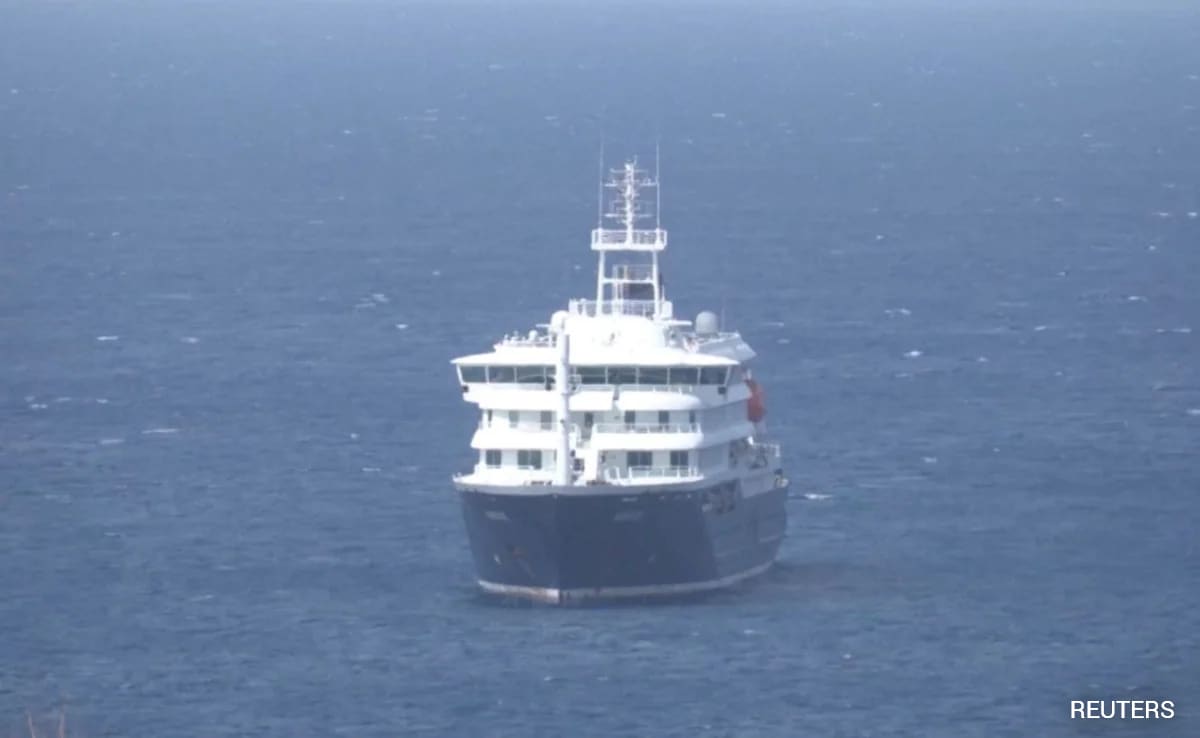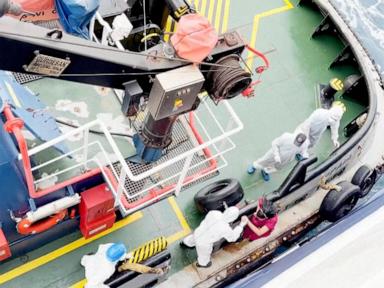
The media loves a ghost ship. They want you to picture a luxury liner drifting through the Caribbean, a floating petri dish where a "deadly rodent-borne pathogen" stalks unsuspecting vacationers. The narrative is set: dirty ships, negligent crews, and a terrifying virus jumping from a mouse's nest into your buffet line.
It’s a lie. Or at the very least, it's a massive misunderstanding of how infectious disease actually works on the high seas.
If you’re looking for a villain in the recent headlines about hantavirus outbreaks on cruise ships, don't look at the bilge rats. Look at the HVAC systems, the logistics of modern global tourism, and the fundamental biological reality that hantavirus is one of the hardest things to actually catch while sipping a piña colada.
The Hantavirus Myth vs. Biological Reality
Let’s dismantle the premise. Most breathless reporting treats hantavirus like the common cold or Norovirus. It isn’t.
Hantavirus Pulmonary Syndrome (HPS) is a severe respiratory disease. In the Americas, it's primarily carried by deer mice and white-footed mice. Here is what the "travel experts" won't tell you: the virus is incredibly fragile. It dies quickly when exposed to sunlight and air. To catch it, you generally need to be in a confined, dusty, unventilated space—think a boarded-up cabin in the woods or a long-abandoned storage shed—and kick up dried rodent urine or droppings into the air.
Cruise ships are not abandoned sheds. They are some of the most aggressively cleaned environments on the planet. The idea that a passenger is inhaling concentrated aerosolized rodent waste in a 5-star suite is a statistical miracle. If there is an outbreak, the "dirty ship" narrative is the lazy man’s explanation. The real story is much more systemic.
Why the Ships Aren't Actually the Source
I’ve spent years analyzing the logistics of the cruise industry. I’ve seen how the "turnaround day" works. In less than 12 hours, thousands of people leave, and thousands more arrive. The ship is scrubbed, fueled, and provisioned.
If a cluster of hantavirus cases appears on a ship, the immediate assumption is that the ship is "infested." Logic suggests otherwise.
- The Incubation Period Problem: Hantavirus has an incubation period of 1 to 8 weeks. If a passenger tests positive three days into a seven-day cruise, they didn't catch it on the ship. They brought it with them.
- The Supply Chain Vector: If the virus is truly originating on the vessel, it’s not because a mouse is living in the theater. It’s because the ship’s dry-storage provisions—flour, rice, paper goods—were contaminated at a land-based warehouse weeks before they were even loaded onto the hull.
The cruise ship is the venue of the outbreak, not the cause. But the industry accepts the "dirty ship" label because the alternative—admitting that global supply chains are teeming with unmonitored pathogens—is far more expensive to fix.
The Ventilation Trap
The real danger on a cruise ship isn't what's on the floor; it’s what’s in the air.
Modern ships use sophisticated HVAC systems. These systems are designed for efficiency and comfort, but they can be a nightmare for pathogen management. While Norovirus is largely a surface-to-hand-to-mouth issue, any respiratory concern is exacerbated by recycled air.
If we want to talk about "deadly" environments, let’s talk about the crew quarters. These areas are often more cramped and less frequently overhauled than passenger zones. If a rodent-borne issue exists, it starts in the bowels of the ship. By the time it reaches the guest levels, the problem isn't "hygiene"—it’s mechanical.
Pathogen Persistence and Humidity
$$P = \frac{V}{A \cdot (1 - H)}$$
Imagine a scenario where the persistence ($P$) of a viral load depends on the volume of air ($V$), the airflow rate ($A$), and the humidity levels ($H$). In the high-humidity environment of a ship, certain particles stay suspended longer. Most reporting ignores the physics of the room. They focus on the "gross" factor of a mouse, while the actual physics of the ventilation system is what dictates who lives and who dies.
The Cost of Hysteria
When a "deadly outbreak" hits the news, the response is always the same: deep cleaning, bleach, and PR statements.
This is security theater. Bleaching the railings won't stop a virus that requires the inhalation of aerosolized particulates from a specific species of rodent that doesn't even live in the regions the ship is currently visiting.
We are training the public to be afraid of the wrong things. We want people to wash their hands—which they should do—but we aren't talking about the ecological shifts that are driving rodents closer to human storage facilities. We aren't talking about the deregulation of port-side warehouses.
The Uncomfortable Truth About Port Safety
Every time a ship docks, it is a biological exchange.
The "status quo" view is that the ship is a closed bubble. It isn't. It’s a sieve. We focus on the ship because it has a brand name—Royal Caribbean, Carnival, Norwegian. We don't focus on the nameless, grimy industrial ports in South America or Southeast Asia where the food is loaded.
I’ve walked through these ports. I’ve seen the lack of vector control. If you want to find the source of a hantavirus outbreak, follow the pallet of napkins. Follow the crates of produce.
The industry is terrified of this conversation because it implies that they are responsible for the safety of their entire global supply chain, not just the square footage of the Lido deck.
How to Actually Stay Safe
If you’re worried about catching a rare hemorrhagic fever on your next vacation, stop obsessing over hand sanitizer.
- Audit your pre-cruise travel: Did you stay in a rustic "eco-lodge" before boarding? That’s where your risk lives.
- Check the CDC Vessel Sanitation Program (VSP) scores: But look past the number. Look for "vermin activity" in the detailed reports. Even a score of 95 can hide a persistent rodent issue in the galley.
- Demand better air filtration: Start asking cruise lines if they use HEPA filtration in all staterooms. Most don't. They use MERV ratings that are fine for dust but useless for viral particulates.
The focus on hantavirus is a distraction. It is a rare, terrifying "black swan" event that the media uses to generate clicks. Meanwhile, much more common and preventable issues are ignored because they don't sound as scary as "rat-born killer virus."
The Industry’s Silent Pact
The cruise lines won't fight the "outbreak" narrative too hard. Why? Because as long as the public thinks it's a fluke "infestation," the lines can just fire a few cleaning contractors and claim the problem is solved.
If the public realized the issue was actually the fundamental lack of oversight in international maritime logistics and the inherent risks of high-density air recycling, the entire business model would be under fire.
The rats are just the fall guys.
Stop looking for shadows in the corner of your cabin. The real threat is the air you’re breathing and the systems that put those "fresh" supplies on your plate. If you can’t handle the reality that a cruise ship is a massive, floating intersection of global bio-risks, you shouldn't be on the boat in the first place.
Don't wait for the cruise line to tell you it's safe. They don't know. They just know how to make it look clean.