We love a scapegoat. We prefer our panics neat, algorithmic, and packaged for congressional hearings. For the past decade, the cultural machinery has fixated on a singular, comforting narrative: social media apps are digital fentanyl dealers deliberately engineering adolescent despair to juice advertising revenue. Lawmakers grandstand, journalists write breathless exposés about the latest toxic scroll, and parents nod along because blaming an app is infinitely easier than facing the messy reality of what is happening inside the four walls of our homes and schools.
This lazy consensus assumes a neat, linear pipeline from screen time to self-harm. Cut the Wi-Fi, ban the smartphone, and teenagers will magically return to an idyllic, untroubled 1990s existence.
The data tells a vastly different story, and it is time to stop hiding behind tech industry boogeymen.
I have spent years watching institutional leaders, school administrators, and public health boards throw millions of dollars at digital detox initiatives, smartphone bans, and performative algorithmic transparency laws while adolescent mental health metrics continue to flatline or worsen. We are treating a structural societal fracture with a screen-time bandage and wondering why the patient is still bleeding.
Let us look at the actual epidemiological timeline. The sharpest upward inflection in adolescent depressive symptoms and suicide rates began around 2012. Smartphones and social platforms certainly proliferated around this era, which is why correlation-obsessed alarmists immediately chained the two together. But correlation is not a confession. During that exact same window, we witnessed profound shifts in macroeconomic stability, hyper-standardized educational testing, the erosion of unstructured physical play, and a fundamental restructuring of how teenagers socialize. Blaming Instagram or TikTok for teen suicide is a convenient intellectual shortcut that absolves parents, educators, and policymakers of actual culpability.
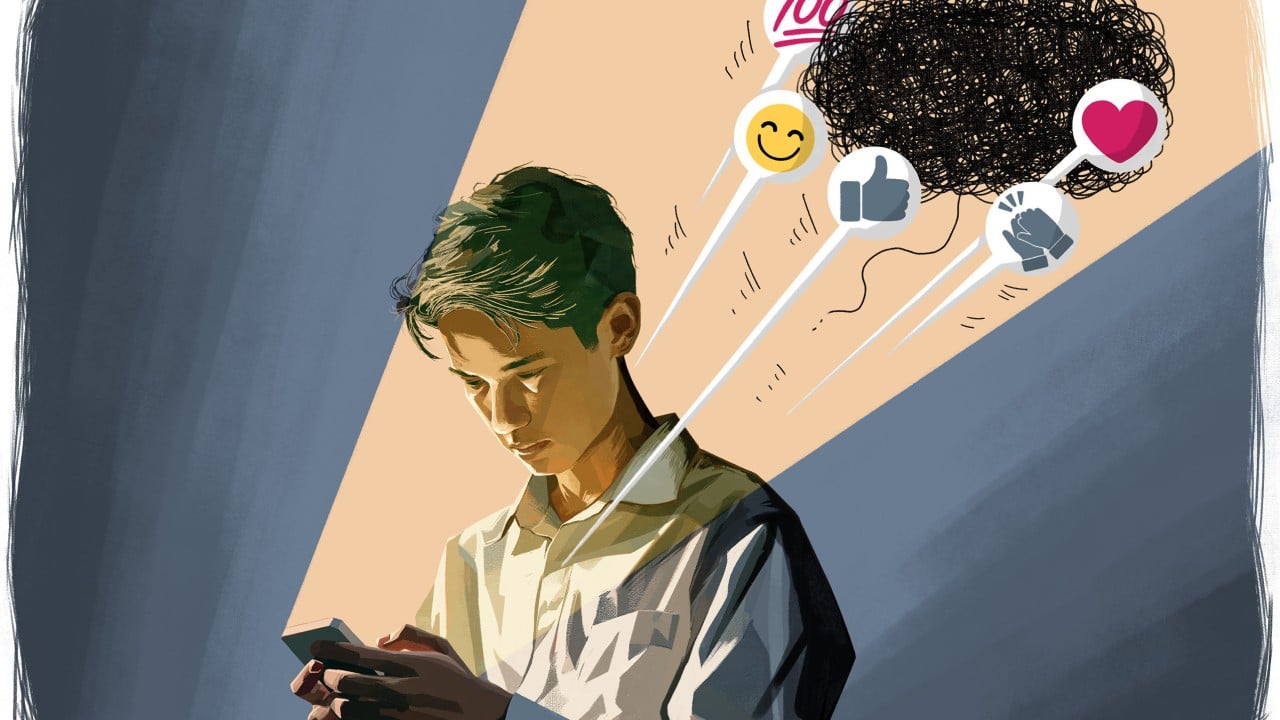
To understand why the mainstream crusade against social media is fundamentally misdirected, we have to look at what these platforms actually represent to modern adolescents. For an isolated teenager, the smartphone is not an addiction chamber; it is an oxygen tank. It is a lifeline to peer groups that physical geography and hyper-scheduled suburban lifestyles have stolen from them. When we threaten to rip away their digital connections under the guise of protection, we are often cutting off their primary source of community validation.
Let us dismantle the core myths driving the current panic.
The Algorithmic Fallacy
The prevailing panic rests on the idea that algorithms actively hunt vulnerable teenagers and funnel them down rabbit holes of self-harm content. This paints a picture of a sentient machine maliciously programming young minds.
The reality of recommendation systems is far more mundane and mechanical. Algorithms are mirrors, not masterminds. They reflect user intent and engagement back at the user with ruthless efficiency. When a depressed teenager spends hours searching for validation of their isolation, the system serves them more content matching those keywords because that is what keeps their attention.
Imagine a scenario where a teenager walks into a massive physical library, bypasses the fiction and history sections, walks straight to the darkest corner of the psychology stacks, and sits on the floor reading every book on despair they can find. You would not blame the library architecture or the publisher for printing the books. You would ask why the kid is sitting alone in that corner, and where the adults are.
When we scream at tech executives to fix their algorithms, we are outsourcing our parental and community responsibilities to Silicon Valley engineers who care about code, not kids. Expecting a machine learning model to act as a surrogate parent or mental health clinician is a catastrophic failure of imagination.
The Real Drivers Of Adolescent Despair
If social media is not the primary engine of the youth mental health crisis, what is?
We have systematically engineered childhood to be risk-free, hyper-monitored, and devoid of genuine autonomy, while simultaneously raising the stakes for academic and social failure to astronomical heights.
- The Death of Unsupervised Play: Over the last thirty years, we have locked children indoors. We drove them out of empty lots, public parks, and neighborhood streets due to inflated stranger-danger anxieties and overprotective parenting. Unsupervised play is nature's vaccine against anxiety. It teaches children how to assess risk, resolve conflicts independently, and build resilience. When you remove free play, you deny kids the reps they need to handle distress. They arrive in adolescence completely unequipped to deal with normal human friction.
- Hyper-Institutionalized Academic Pressure: The modern high school experience has morphed into an exhausting, high-stakes corporate ladder. Kids are told that a single dropped grade or a missed extracurricular milestone will permanently lock them out of economic survival. We have turned learning into a relentless metrics game, and children internalize this pressure as self-worth.
- The Erosion of Community Fabric: Secular community institutions, local youth groups, and neighborhood support structures have hollowed out. Teens are increasingly isolated in nuclear family silos, staring at high-pressure environments online because the physical world offers them fewer and fewer places to simply exist without a performance metric attached.
When a teenager feels utterly powerless, trapped by academic demands they cannot control, isolated from real-world peer communities, and terrified of a bleak economic future, despair follows. The smartphone is merely the screen where that distress plays out.
What Actually Works
If you want to move the needle on teen suicide, you have to abandon the comfortable crusade against tech companies and do the hard, gritty work of structural reform.
First, stop trying to regulate how much time kids spend staring at glass and start investing in physical environments where they can build genuine competence. That means lobbying school districts to strip away homework loads that require five hours a night, restoring recess and free play periods, and building urban and suburban spaces where teenagers can congregate without paying for a product or getting hassled by law enforcement.
Second, radically shift our approach to mental health literacy. We have spent millions telling kids that every negative emotion is a psychiatric disorder that requires clinical intervention or a diagnostic label. This medicalization of normal adolescent angst robs teenagers of their agency. It teaches them to view their internal states through a lens of fragility rather than resilience. We need to teach distress tolerance, not trigger avoidance.
Third, parents must reclaim their authority. It requires immense courage to refuse to hand an eleven-year-old an unmonitored smartphone, or to withstand the social friction of being the parent who says no when every other family in the district says yes. Passing laws to ban phones in schools is a weak substitute for parents setting boundaries at the dinner table.
The obsession with social media as the singular villain of modern youth is a moral panic masquerading as public health policy. It is an easy story to tell because it requires zero sacrifice from the adults in charge. We can haul tech CEOs in front of congressional committees until our vocal cords give out, and adolescent suicide rates will not budge a single decimal point.
The crisis will not end when algorithms become benevolent. It will end when we stop treating our children like delicate digital artifacts and start giving them their physical world back.