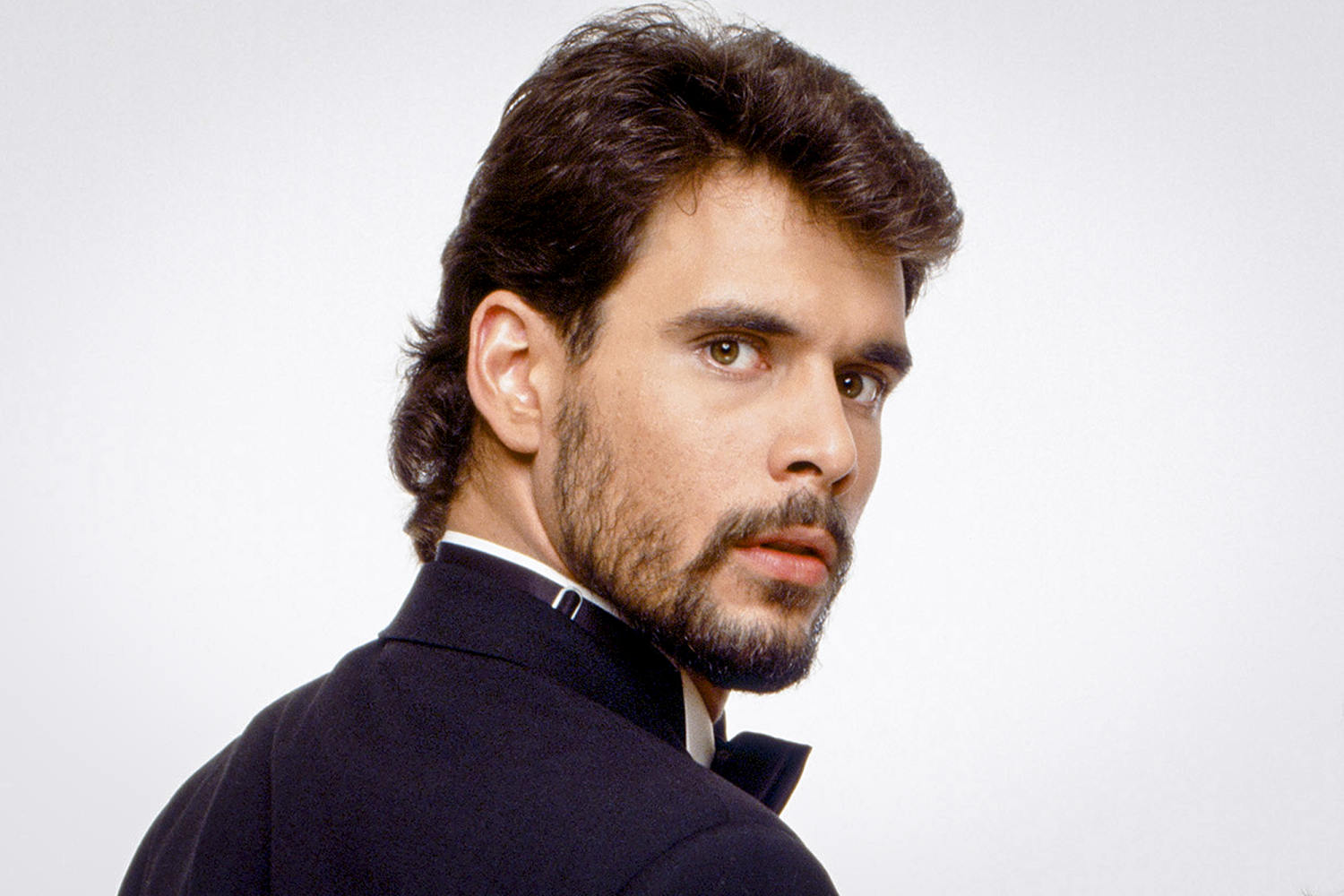
When Robert Kelker-Kelly died at sixty-two, the standard obituary machine ground into motion.
Why Mourning Soap Opera Stars Misses the Point of How They Actually Conquered Daytime
celebs, entertainment Recently making news in related news: Why The Film Industry Never Deserved George Fenton.
The lazy media narrative surrounding the passing of daytime veterans like Robert Kelker-Kelly always follows the same tired script. Obituaries roll in like clockwork, lamenting the decline of daytime television, mourning the death of the traditional soap opera, and painting these actors as tragic relics of a bygone era swept away by the merciless tide of streaming and reality TV.
It is a comfortable, sentimental lie. And it completely misses why actors like Kelker-Kelly actually mattered. Further insights on this are explored by Deadline.
I have spent decades watching entertainment ecosystems pivot, fracture, and self-immolate. The standard take treats soap stars as victims of cultural shifting sands. They were not victims. They were the most brutally efficient emotional athletes in the history of commercial broadcasting, and the industry failed them by abandoning the precise discipline they mastered.
The Myth of the Dying Medium
Every time a daytime fixture passes away, the eulogies claim that the soap opera is dead because modern audiences lack the attention span for five-day-a-week serialized drama. This is pure intellectual laziness.
Look at what people consume today. Audiences devour multi-season prestige arcs on streaming platforms, binge twenty-episode true-crime podcasts, and obsess over serialized TikTok creator drama. The appetite for serialized narrative has never been larger. The problem was never the format. The problem was that network executives panicked and tried to water down the product to chase cheap demographics, destroying the rigorous craft that kept viewers locked in for forty years.
Performers like Kelker-Kelly, who commanded screen presence on both Days of Our Lives and General Hospital, did not survive because they were lucky. They survived because they operated in a relentless pressure cooker that would break a modern Marvel franchise star in two hours.
The Undisputed Physics of Daytime Execution
Let us look at the mechanics of what a daytime lead actually does. In a standard film or prestige streaming series, an actor gets three weeks of rehearsal, a dozen takes to nail an emotional breakdown, and the luxury of non-linear shooting schedules.
A daily soap actor gets forty-eight pages of dialogue a day. They shoot out of sequence. They hit their marks under harsh studio lighting, deliver forty lines of dense exposition without a teleprompter, pivot from a tearful confession to a corporate boardroom takeover, and they do it in one or two takes because the budget bleeds if the red light stays on too long.
When people romanticize these actors as mere faces on a screen, they reveal their total ignorance of production realities. Kelker-Kelly and his peers were the blue-collar infantry of the entertainment industry. They possessed a technical mastery of close-up camera blocking and emotional recall that modern young talent, coddled by CGI green screens and digital post-production fixes, simply does not possess.
To mourn their passing while treating their medium as a quaint, unsophisticated artifact is an insult to their professional pedigree.
Why the Industry Refuses to Learn
The executives running modern entertainment are terrified of genuine serialized commitment. Everything must be atomized into ninety-second clips or limited eight-episode runs designed to be consumed in a weekend and forgotten by Tuesday.
In doing so, Hollywood has lost the art of the slow burn. Daytime television taught generations of viewers how to live with characters over decades. It created an intimacy that no algorithm-driven recommendation engine can ever replicate. When a veteran actor exited a show or passed away, the audience felt it not as a fictional loss, but as the absence of a familiar fixture in their daily routines.
The industry looks at daytime's contraction and blames the audience. That is the ultimate cop-out. The audience didn't leave because they grew tired of serialized drama. They left because the networks stopped respecting the high-wire act required to make it work.
Stop treating daytime legends as tragic casualties of progress. They were masters of an unforgiving craft that modern Hollywood is too soft, too impatient, and too incompetent to replicate.
They didn't fade away. The rest of the industry just lowered the bar.