The Viral Fallacy of Saving Every Feather
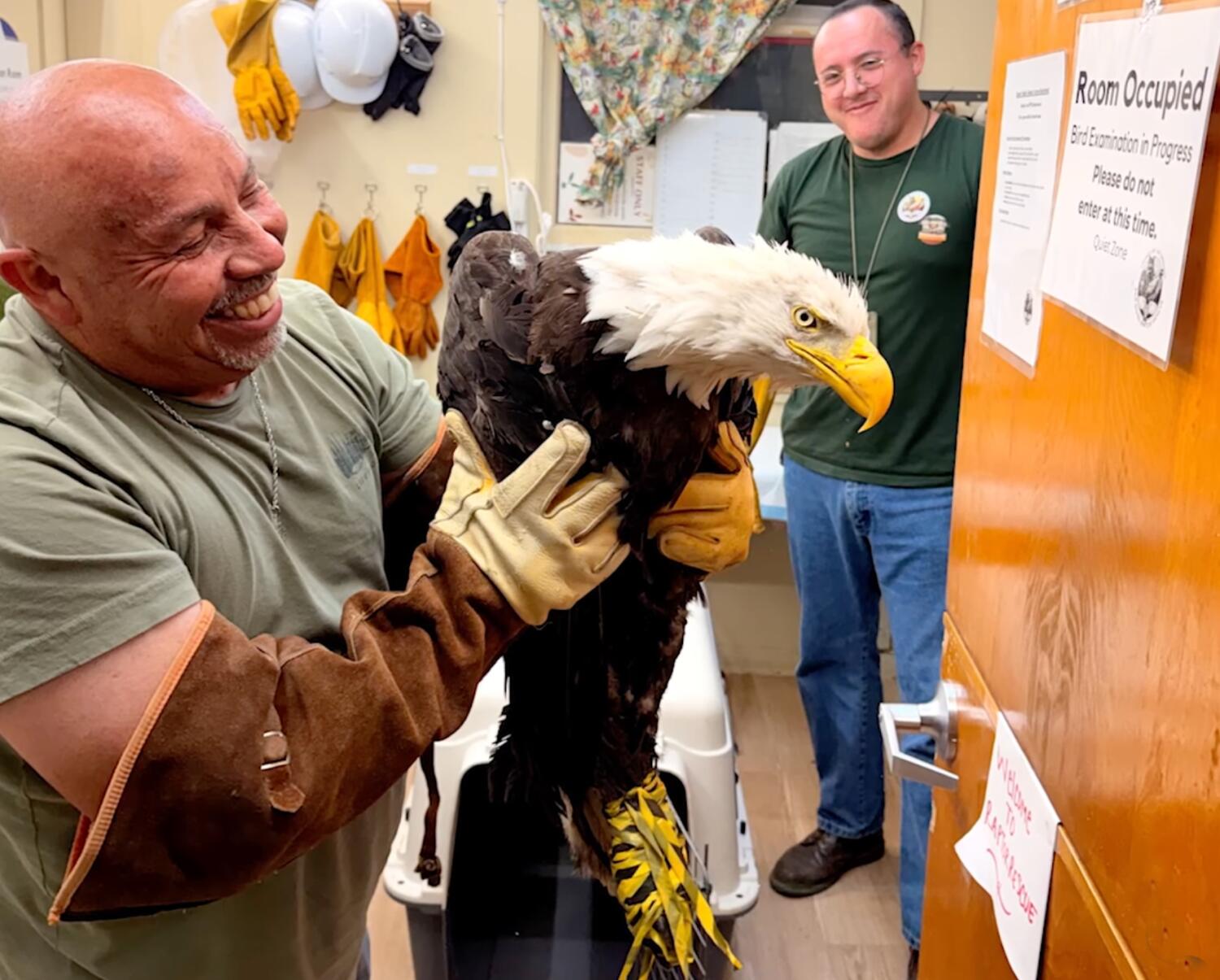
When a beloved wild eagle lands on a veterinary operating table for an emergency blood transfusion, the internet weeps tears of collective heroism. Viral livestreams spin the narrative: human ingenuity triumphs over grim biological reality, pulling a magnificent predator back from the brink.
It makes for sensational headlines. It drives millions of hits. It fills donation boxes.
It is also fundamentally flawed conservation logic.
The emotional frenzy surrounding extreme medical interventions for celebrity wildlife—like Big Bear’s famous eagles—reveals a troubling shift in how society views the natural world. We have swapped authentic ecological stewardship for high-stakes medical melodrama. By turning wild apex predators into intensive care patients, well-meaning institutions cater to human sentimentality while obscuring the harsh, unyielding mechanics of wildlife biology.
I have spent years watching conservation funds get diverted into high-tech animal rescues that accomplish zero population-level good. The stark truth nobody wants to acknowledge on a public livestream is simple: heroics for individual celebrity birds do not preserve species. They pacify humans who cannot handle nature on its own terms.
The Hero Complex Meets Wildlife Biology
Avian blood transfusions are marvels of modern veterinary medicine. Technicians match donor species, monitor blood pressure, and inject fluids into tiny veins under intense heat lamps. The skill required is immense.
The biological return on investment, however, is virtually nonexistent.
When a wild predator suffers organ failure, severe anemia, or systemic toxicity in the wild, that individual’s biological arc is concluding. In natural systems, mortality is not a failure of the system. It is the engine that drives it.
When humans intervene with extreme medical procedures on an adult wild raptor, three immediate problems emerge:
- Intense Psychological Trauma: A wild eagle does not comprehend a sterile hospital, IV lines, or physical restraint. What humans perceive as "life-saving care" represents an endless, terrifying ordeal of acute stress for a wild creature programmed to view humans as lethal threats.
- Resource Misallocation: A single complex avian ICU stay costs thousands of dollars in medical supplies, expert labor, and specialized care. That same capital could secure acres of critical nesting habitat, fund lead-ammunition remediation programs, or mitigate power-line electrocutions that kill hundreds of raptors annually.
- The Illusion of Preservation: Saving one adult bird with compromised health does nothing to bolster the genetic resilience of the broader population. In fact, returning chronically ill or genetically vulnerable individuals to the breeding pool runs counter to evolutionary adaptation.
Imagine a scenario where a non-profit spends thirty thousand dollars to perform organ surgery and weeks of rehabilitation on a single elderly raptor. Meanwhile, ten miles down the road, three unmarked active nest trees are bulldozed because local land trusts lacked the modest funds needed to secure conservation easements. That is the exact trade-off mainstream media coverage ignores.
Livestream Culture Has Poisoned Public Perception
Why do news outlets and rescue organizations push these high-tech medical sagas so aggressively? Because social media demands a narrative arc with a human savior.
Twenty years ago, a sick eagle in a remote forest died quietly. Its body nourished scavengers, returning nitrogen and nutrients to the forest floor. Today, that same eagle carries a solar-powered webcam pointed directly at its nest. Millions of viewers watch its daily routine, build emotional attachments, and project human feelings onto a wild raptor.
When that bird falls ill, the public demands an intervention. The rehabilitation center cannot simply let nature take its course without facing severe public backlash, death threats, and a loss of public funding.
The result is a public relation trap. Science yields to outrage.
The Misleading Promise of Interventional Rescue
| Standard Public Perception | Biological Reality |
|---|---|
| Every individual wild animal must be saved at all costs. | Populations matter; individual mortality drives natural selection and ecosystem health. |
| Advanced hospital care proves our respect for nature. | High-tech medical confinement inflicts massive physical and psychological stress on wild raptors. |
| Donating to celebrity bird rescues directly aids conservation. | Micro-focusing on single celebrity animals starves actual habitat protection of essential funding. |
Public education suffers when we teach people that wild nature requires constant medical monitoring and human rescue teams to function. It fosters an arrogant perspective: that nature is broken unless humans step in with scalpels, oxygen tanks, and donor blood.
Real Stewardship Demands Uncomfortable Boundaries
True conservation is cold, analytical, and focused on systems rather than individual characters in a livestream. It prioritizes habitat integrity, toxicological cleanup, and ecosystem scale over viral rescue missions.
If we actually care about bald eagles as a species—rather than as cartoon characters on our computer screens—we must recalibrate our priorities immediately.
1. Stop Confusing Animal Welfare with Conservation
Rescuing a sick individual bird is animal welfare. Protecting millions of acres of old-growth timber and clean waterways is conservation. Both have a place, but welfare should never hijack the narrative, resources, or strategic goals of conservation.
2. Cap Medical Interventions for Wild Predators
Veterinary teams need to establish clear, ethical boundaries. Basic stabilization and setting simple bone fractures make sense. Intensive care units, blood transfusions, and multi-week organ treatments for wild apex predators cross the line into human vanity. When an animal requires human life support to survive, human mercy means humane euthanasia, not prolonged medical experimentation.
3. Redirect the Camera and the Capital
Take the millions of dollars generated by viral bird webcams and funnel them directly into non-glamorous, structural solutions. Fund lead-free ammunition exchange programs for hunters. Pay ranchers to retrofit livestock fences. Buy land. Stop spending five-figure sums on medical bills for single birds while the surrounding environment degrades unchecked.
Nature is not a zoo, and wild eagles are not pets waiting for human rescue. The urge to save every high-profile bird with emergency medical tech says everything about our own discomfort with death and nothing about effective wildlife management.
Until we learn to step back, put down the scalpel, and respect the brutal, necessary boundaries of the natural world, we aren't saving wildlife. We are just broadcasting our own ego.


