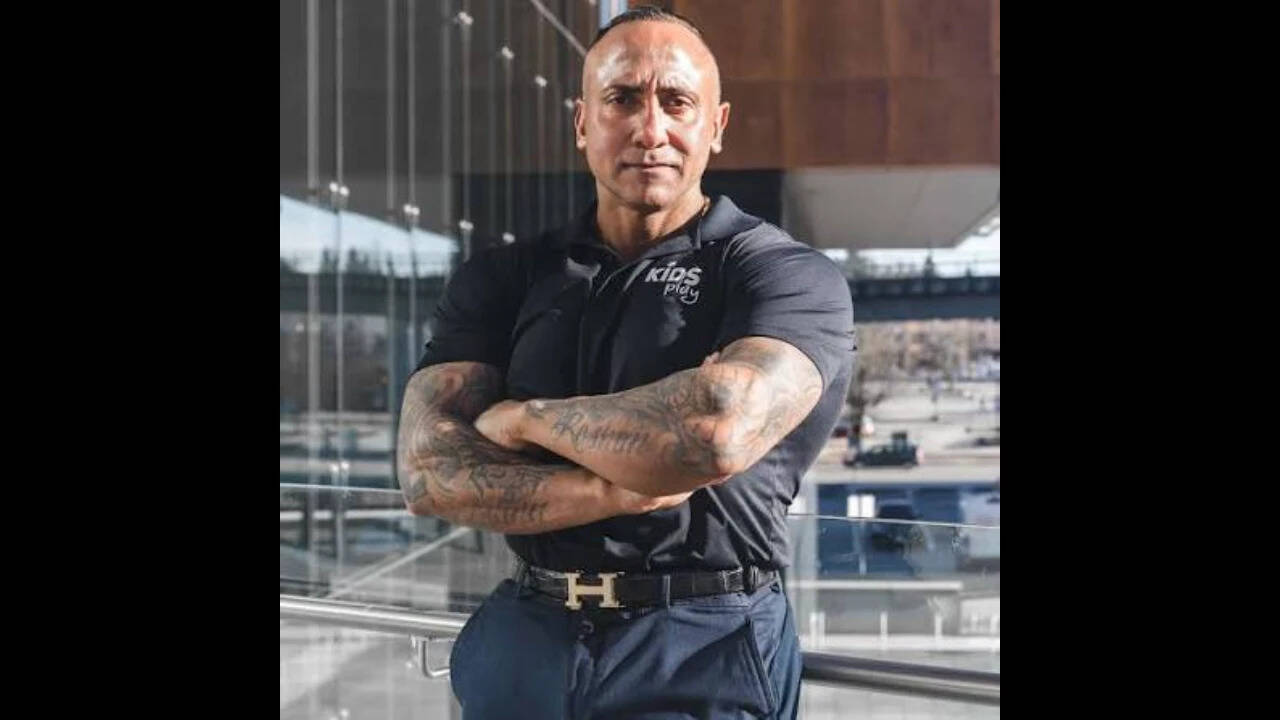
The media wants you to gawk at the fallen idol. Headlines across the Pacific and down the Canadian West Coast are wringing their hands over Kalwinder Kal Dosanjh, a decorated 26-year veteran of the Vancouver Police Department and founder of a prominent youth anti-gang charity, who was recently arrested and hit with nine criminal charges including fraud, theft over five thousand dollars, and breach of trust.
The lazy consensus in every mainstream newsroom is simple shock and tragedy: How could a man with such a high public profile, a shining chest full of service medals, and a track record of steering kids away from crime turn out to be facing allegations of a multi-million-dollar scam?
They call it an anomaly. They treat it like a glitch in an otherwise pristine matrix of public service.
That perspective is dangerous, naive, and completely backwards.
Dosanjh’s arrest is not a bizarre deviation from the norm. It is the predictable outcome of an institutional blind spot that worships visibility over accountability. When you hand someone a badge, a megaphone, a non-profit executive chair, and a cape of community saviorhood, you stop auditing them. You start believing their PR.
Let us look at the mechanics of what actually happened here, stripped of the pearl-clutching commentary.
The charges do not stem from his routine traffic stops or his time on the Downtown Eastside beat. They trace back through a web of real estate development ventures, private business projects, and private capital where civil claims and criminal investigators allege millions were mismanaged or diverted. According to police leadership, a covert internal investigation dragged on for over two years before culminating in these charges, alongside an alleged co-accused.
Here is the truth nobody in uniform wants to admit: high-profile community crusaders inside police forces operate in a gravitational field of their own making.
When an officer becomes a brand—frequently cited in media, launching foundations, collecting medals, and talking to TEDx audiences—they acquire institutional armor. Internal oversight mechanisms hesitate to look too closely at the golden boy because disrupting a public-facing darling looks bad for public relations. Command staff prefer the shine. The oversight gets soft. The audits get delayed.
And that is why the rank-and-file officers are reported to be angry and disappointed. Their anger is misplaced, though. They are angry at Dosanjh for breaking the code, but they should be furious at the executive culture that let a cop moonlight as a high-stakes real estate player for years without triggering immediate, inescapable structural tripwires.
Let us define terms clearly. Conflict of interest inside law enforcement is not merely a desk-jockey ethics violation; it is a structural hazard. When a veteran financial crimes investigator or high-visibility officer builds a parallel footprint in the private corporate or development sector, the lines between public trust and private balance sheets inevitably blur.
We have seen this movie before. In corporate governance, we know that when an executive holds unchecked charismatic authority and acts as the sole bridge between a public mission and private enterprise, internal controls vanish. Why should a police department be any different?
The defense has rightfully noted that an arrest is not a conviction, and Dosanjh’s legal team maintains his innocence. That is the cornerstone of justice. Every accused person stands innocent until proven guilty in a court of law. But regardless of how the gavel falls in the courtroom, the institutional failure is already absolute.
Stop asking how a good guy went bad. Start asking why our systems are designed to reward charisma with a free pass from real oversight.
If police forces want to stop casting a permanent shadow over the thousands of honest professionals who actually do the grunt work without a PR machine, they need to stop building pedestals. Strip away the immunity of celebrity within the ranks. Subject high-profile community faces to harsher financial disclosures, not lighter ones.
Until police leadership stops being seduced by their own media darlings, the next badge-wearing entrepreneur will just write a bigger script. Tear down the pedestal. Audit the brand.