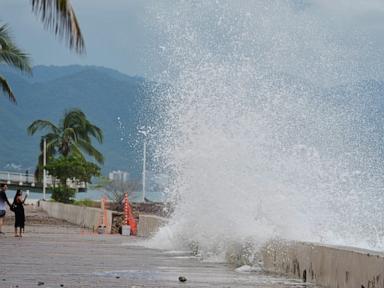
When a major weather system tracks through a region, the immediate wind damage grabs headlines, but the real crisis usually unfolds in the hours after landfall. Tropical systems and severe storms leave a familiar calling card: widespread infrastructure failure, marooned communities, and hundreds of thousands of people left in the dark. As storms weaken and downgrade from their initial peak intensity, people often assume the worst is over. That assumption is flat-out wrong.
The Lingering Danger of Inland Flooding
Meteorologists track wind speeds and pressure drops to classify a storm, but water causes the bulk of the destruction. When a system pushes onshore, its forward speed dictates how much rain drops over a specific area. Fast-moving storms limit localized rainfall totals, but they frequently trigger severe flash flooding and spawn isolated tornadoes.
Low-lying coastal neighborhoods and inland river basins face the highest exposure. When saturated ground cannot absorb another drop, drainage systems back up instantly. Driving through standing water remains one of the leading causes of storm-related fatalities. Just six inches of moving water can sweep a compact vehicle off the road or stall an engine completely.
Why Power Grids Go Down and Stay Down
The sight of hundreds of thousands of utility customers losing electricity has become an expected ritual of severe weather events. Overhead distribution lines remain vulnerable to falling limbs and uprooted trees, especially when saturated soil loosens root systems.
Utility companies face a massive logistical bottleneck immediately following a major blow. Crews cannot go up in bucket trucks until sustained winds drop below safe operational thresholds, which can delay restoration efforts by hours or days. Substations flooded by storm surge require complete overhauls before power can safely route back into residential grids.
Essential Steps for Safe Recovery
Surviving the storm itself is only half the battle. Managing the aftermath requires avoiding common hazards that catch people off guard during extended utility outages:
- Never run a portable generator inside an enclosed space, a garage, or near an open window. Carbon monoxide poisoning spikes during every major weather outage because people place generators too close to living areas.
- Treat every downed power line as live and lethal. Report them immediately to your utility provider and stay far away from standing water touching utility poles.
- Inspect food safety rigorously. Perishable items in refrigerators spoil within hours once power cuts out. When in doubt, throw it out rather than risking foodborne illness.
Preparing for the Next Infrastructure Stress Test
Communities that bounce back fastest from severe weather events share one common trait: aggressive municipal preparation. Upgrading drainage infrastructure, burying vulnerable distribution lines, and enforcing strict building codes in flood zones make a massive difference when extreme weather hits.
Waiting until a state of emergency gets declared is already too late. Knowing your local evacuation zones, keeping emergency reserves stocked, and understanding how your neighborhood handles localized runoff will protect you when the next major system rolls ashore.
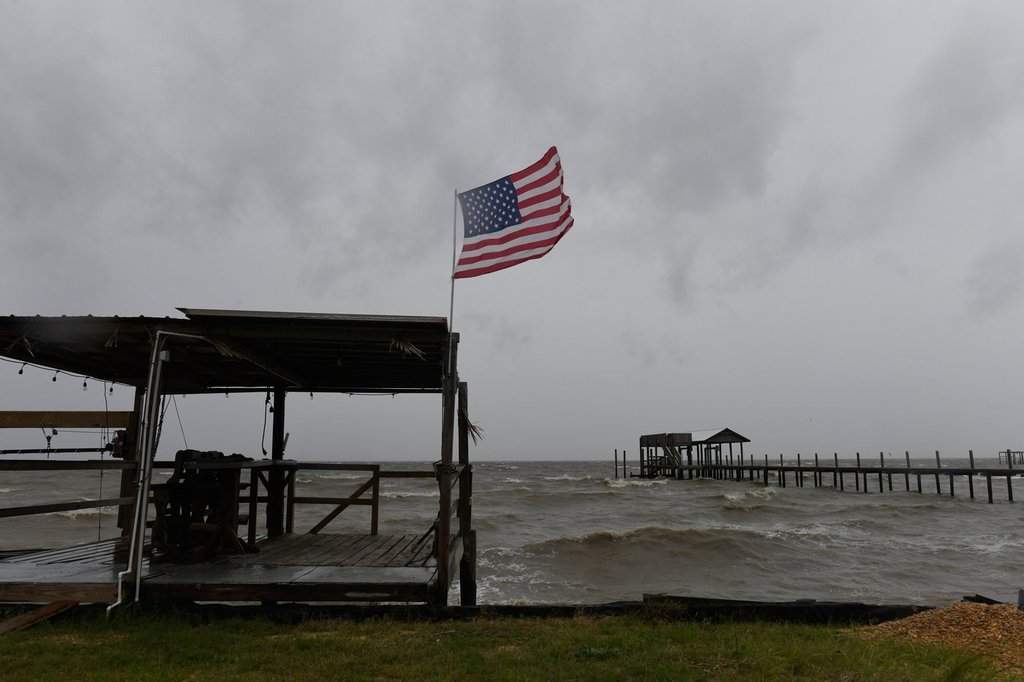
Watch: Hurricane Isaias leaves trail of power outages, damage, flooding across Florida Panhandle
This video provides an on-the-ground look at the widespread power outages, property damage, and severe flooding left in the wake of Hurricane Isaias.