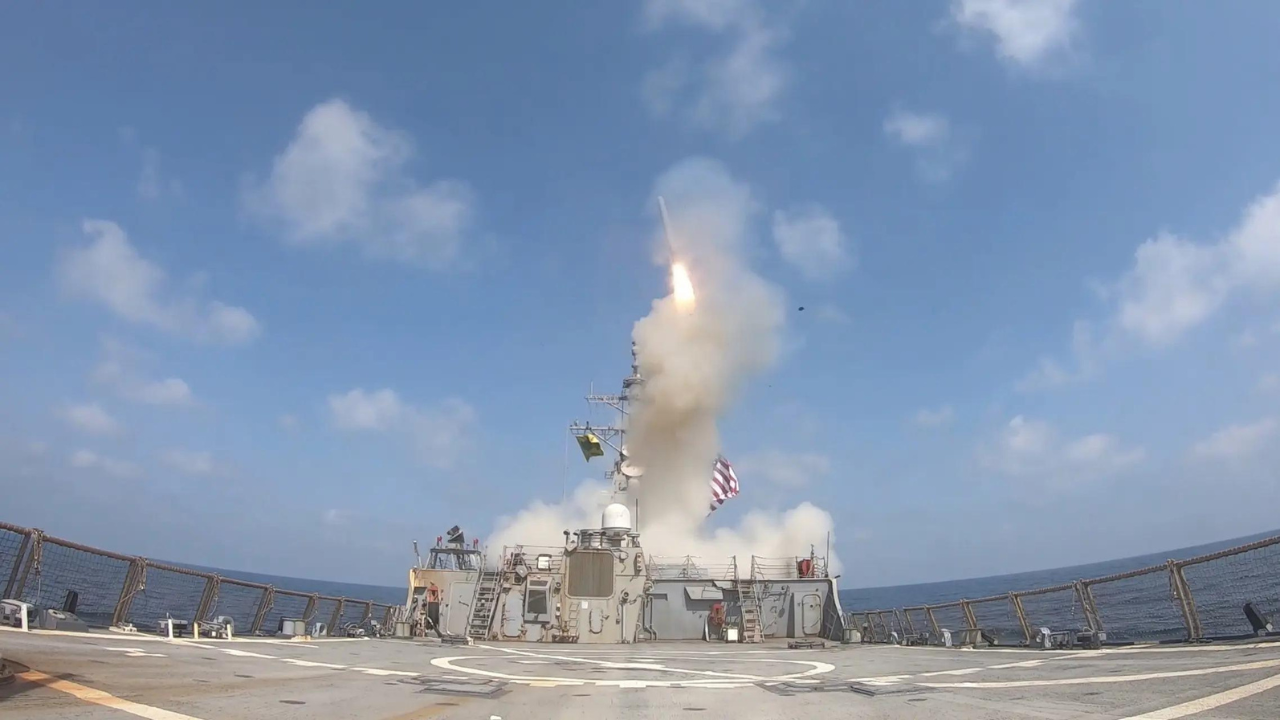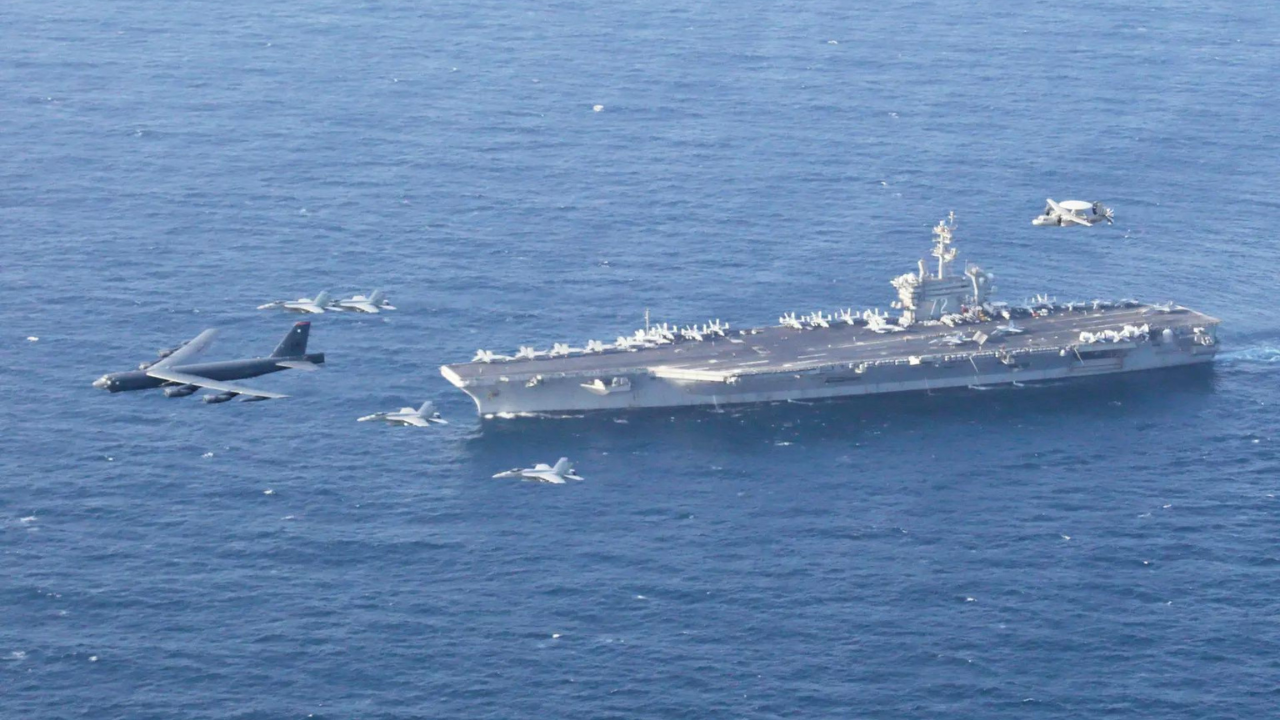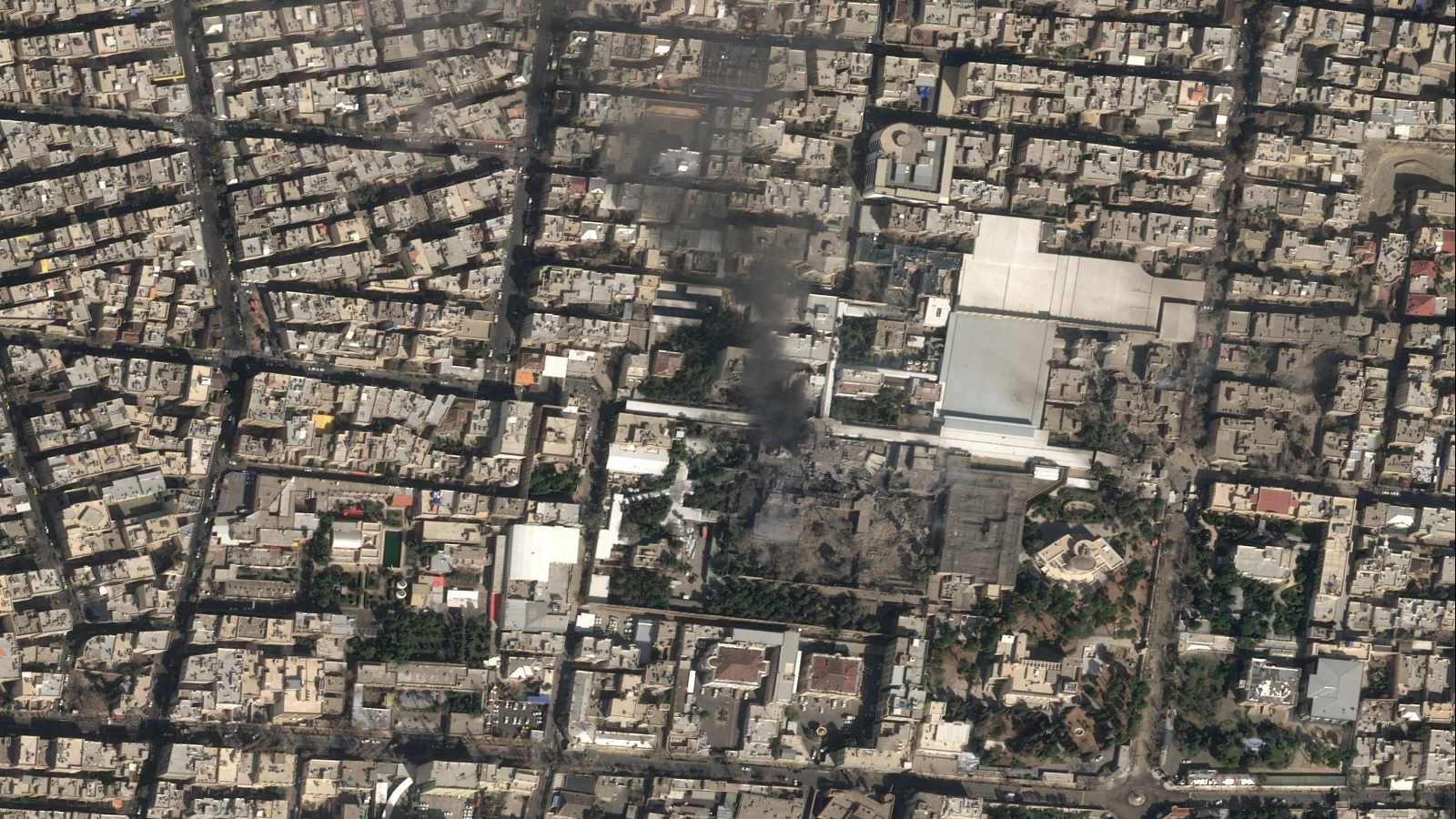
Military operations targeting the Iranian interior represent a transition from "shadow warfare" to a doctrine of high-intensity kinetic attrition. This shift is not merely a change in volume but a fundamental recalculation of the regional escalation ladder. Assessing the efficacy of US-Israel strikes requires moving beyond a simple list of coordinates to an analysis of the specific strategic layers being dismantled. These operations are designed to degrade three primary vectors: nuclear latency, ballistic projection, and command-of-the-commons.
The Taxonomy of Target Sets
The selection of targets reveals the long-term intent of the coalition. Operations are categorized by their role in the Iranian defensive and offensive ecosystem.
Integrated Air Defense Systems (IADS)
The primary objective of any initial wave is the neutralization of the S-300 and domestically produced Bavar-373 batteries. By stripping away these sensors, the coalition creates "corridors of impunity." This is a prerequisite for any sustained campaign against hardened targets. The focus here is on the engagement of "Long-Range Early Warning" radars located in the peripheral provinces, which act as the eyes of the Tehran defense perimeter.
Missile Production and Storage Facilities
Striking the Parchin and Khojir complexes targets the bottleneck of the Iranian regional strategy. Iran relies on a "forward defense" model, which necessitates a continuous supply of solid-fuel rockets and drones to proxies.
- Solid-Fuel Mixing Plants: These are high-value targets because the industrial mixers required for stable propellant are difficult to replace under current sanctions.
- Storage Silos: Hardened underground facilities (UGFs) require specific munitions—namely the GBU-57 Massive Ordnance Penetrator (MOP)—to reach.
Nuclear Infrastructure and Latency
The Natanz and Fordow facilities represent the most complex target set. Fordow, buried deep within a mountain, presents a physical challenge that necessitates a multi-hit "borehole" strategy, where successive munitions strike the exact same entry point to collapse the facility from within. The goal is not necessarily total destruction but the disruption of the "breakout time"—the interval required to enrich enough uranium for a weapon.
The Logistics of the Strike Package
A strike of this magnitude is a feat of extreme synchronization. It involves a "composite force" that manages multiple domains simultaneously.
- Electronic Warfare (EW) Suppression: Before a single kinetic round is fired, the electromagnetic spectrum is saturated. This prevents the Iranian military from communicating between localized cells, forcing a "decapitated" response where battery commanders must act without central guidance.
- The Tanker Bridge: Given the distance from Israeli airbases to Tehran (approximately 1,500 kilometers), aerial refueling is the critical vulnerability. The operation relies on Boeing KC-46 or modified 707 tankers operating in "contested but managed" airspace, likely over third-party nations in the Levant or the Arabian Peninsula.
- Stand-off vs. Direct Overflight: F-35I "Adir" aircraft utilize stealth to penetrate the inner ring, while F-15I and F-16I platforms launch stand-off munitions like the "Rocks" or "Blue Sparrow" from outside the immediate range of point-defense systems.
The Economic and Kinetic Attrition Function
The cost of these strikes is asymmetric. While a cruise missile may cost $2 million, the destruction of a specialized centrifuge hall or a missile assembly line sets the Iranian defense budget back by billions and years of development.
Industrial Displacement
When a manufacturing hub like the Isfahan research center is hit, the loss isn't just the machinery; it is the specialized workforce and the "knowledge clusters" associated with it. Iran's ability to reconstitute these facilities is hampered by the "Sanctions Bottleneck." They cannot simply order high-precision CNC machines or carbon fiber precursors on the open market.
Domestic Legitimacy and the "Security Myth"
The psychological layer of the strike focuses on the perceived invulnerability of the Islamic Revolutionary Guard Corps (IRGC). Successful strikes deep within the Iranian heartland signal to the domestic population and regional proxies that the "Ring of Fire" strategy has failed to deter direct intervention.
The Escalation Calculus and Strategic Friction
Any military action against Iran must account for the "Response Matrix." Iran possesses several levers to increase the cost for the coalition, creating a state of strategic friction.
The Strait of Hormuz Bottleneck
Approximately 20% of the world's liquefied natural gas and oil passes through this chasm. Iran’s "Anti-Access/Area Denial" (A2/AD) capabilities—consisting of fast-attack craft, naval mines, and shore-based anti-ship missiles—can be deployed to choke global energy markets. This is a "Dead Man’s Switch" designed to force international pressure on the US and Israel to cease operations.
Proxy Lateralization
If the Iranian mainland is under duress, the IRGC may authorize "unrestricted warfare" for its proxies. This involves high-volume rocket fire from Hezbollah in Lebanon, drone swarms from the Houthis in Yemen, and militia strikes in Iraq and Syria. This forces the coalition to divert resources from the primary target (Iran) to theater-wide missile defense (the "Iron Dome," "David’s Sling," and "Arrow" systems).
Assessing Functional Success
The success of these strikes is measured by "Functional Kill" rather than "Structural Kill." A building may still be standing, but if the vibration from a nearby impact has misaligned the high-speed centrifuges inside, the facility is effectively neutralized.
Intelligence Gathering and BDA
Battle Damage Assessment (BDA) is conducted via synthetic aperture radar (SAR) satellites and signals intelligence. Analysts look for "thermal signatures" and "debris patterns" to determine if the internal components of a facility were destroyed. The coalition monitors emergency frequencies and logistics movements post-strike to gauge the level of internal chaos.
The "Sunk Cost" Trap
For the US and Israel, the danger lies in the "Sunk Cost" of a limited strike. If the operation does not sufficiently reset the Iranian nuclear clock, it may simply provide the justification for Iran to move its remaining assets to even deeper, more hardened locations, making future strikes impossible without a full-scale ground invasion—an outcome both Washington and Jerusalem seek to avoid.
The Operational Pivot
The immediate strategic requirement is the establishment of a "Permanent Degradation Loop." Periodic strikes are insufficient if the rate of Iranian reconstruction exceeds the rate of destruction.
The coalition must transition from one-off "punitive" strikes to a sustained "interdiction" posture. This involves the continuous monitoring of supply lines and the preemptive destruction of any incoming replacement components for the nuclear and missile programs. The focus must shift from the geography of the targets to the biology of the supply chain. If the industrial inputs are severed at the port or the border, the hardened silos become irrelevant. The strategic play is to transform the Iranian military-industrial complex into a liability that consumes more resources in repair than it generates in deterrent value.