International deterrence relies on the management of credible threats and the precise communication of red lines. When state actors articulate warnings regarding military deployments into active conflict zones, the signaling operates through a structural mechanism of cost imposition and escalation dominance. Understanding the friction points between international peacekeeping proposals and sovereign security doctrines requires an examination of how strategic thresholds are defined, maintained, and contested.
The Architecture of Deterrence Signals
A warning issued by a primary nuclear-armed state regarding territorial deployments in a contested buffer zone functions as a strategic threshold marker. In diplomatic signaling, ambiguity is often weaponized to maintain freedom of action, but explicit statements delineate specific operational boundaries. The core logic hinges on perceived intent versus capability. When external military personnel enter a theater of active hostilities under the guise of stabilization, the receiving state recalculates its security matrix.
This recalculation operates through two primary variables: operational proximity and strategic intent.
- Operational Proximity: The physical distance between foreign military units and front-line combat elements dictates the reaction window for defense planners. Shorter distances compress decision cycles, increasing the probability of miscalculation or inadvertent escalation.
- Strategic Intent: The mandate given to deployed personnel—whether humanitarian monitoring, logistical reinforcement, or direct security enforcement—changes the adversary's risk assessment. A mandate that alters the local balance of power is interpreted as an offensive enabler regardless of its defensive label.
The Cost Function of Multilateral Deployments
Introducing third-party military forces into an ongoing interstate war alters the economic and strategic cost function for all participants. From the perspective of the issuing state, external deployment introduces a structural hazard: the risk of institutionalizing a frozen conflict through entrenched foreign presence or creating a direct tripwire that pulls external alliances into a wider war.
Escalation Risk = (Force Proximity * Mandate Aggressiveness) / Communication Clarity
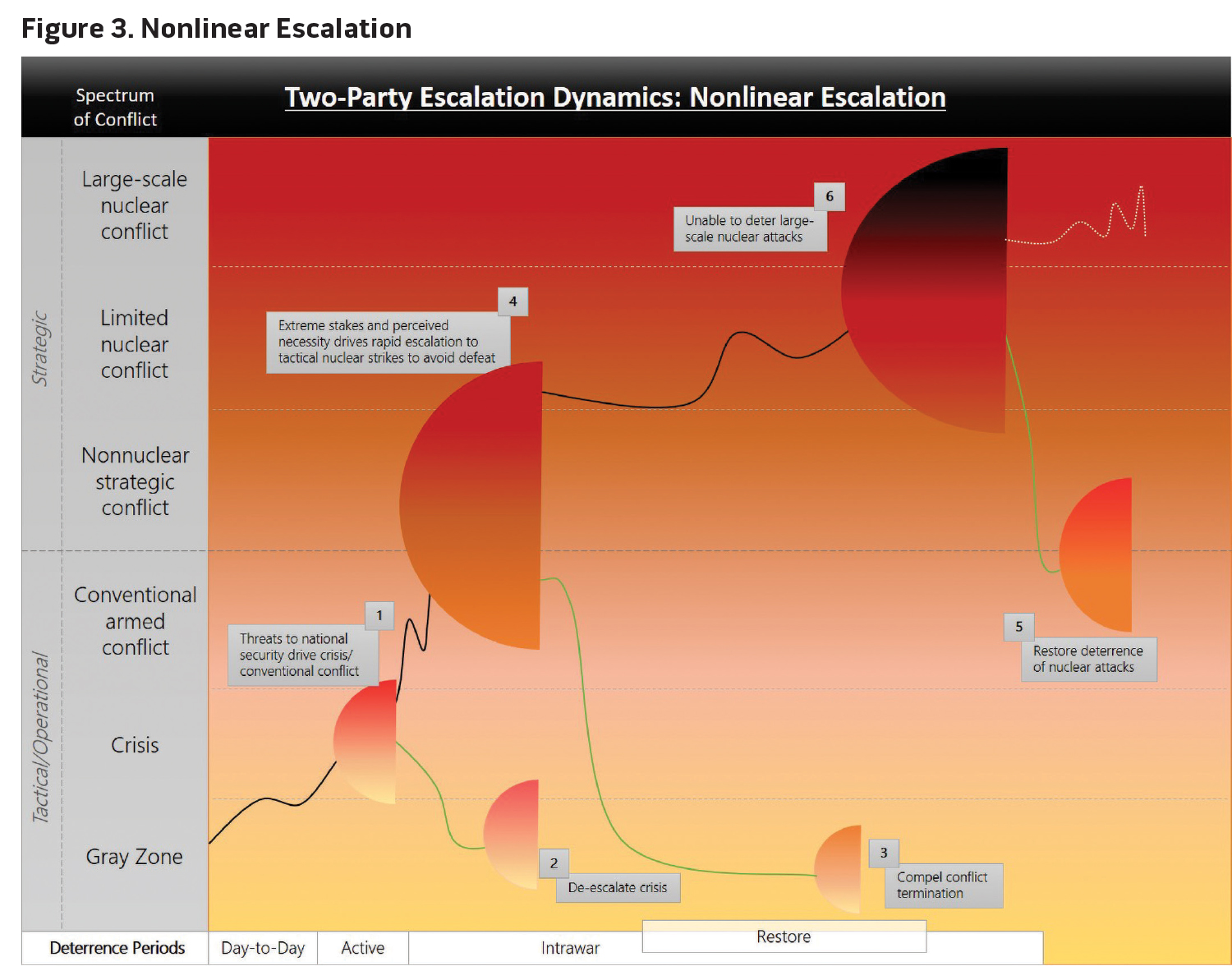
When this ratio spikes, the threshold for preemptive counter-measures lowers. The calculus is not driven by rhetorical posturing, but by the physical reality of foreign military assets operating inside a contested theater of operations. Every unit deployed requires logistical tail, force protection, and command-and-control infrastructure, all of which expand the target footprint and create unavoidable friction points with opposing forces.
Asymmetric Escalation and the Tripwire Effect
Deploying peacekeeping or monitoring contingents without universal belligerent consent transforms those contingents from neutral arbiters into active participants within the operational environment. Without a comprehensive ceasefire agreement backed by all primary combatants, foreign forces function as a strategic tripwire.
The tripwire mechanism alters deterrence in a specific manner:
- It raises the political cost for the opposing side to conduct operations near the deployment zone.
- It simultaneously lowers the threshold for an international incident, as any localized engagement now threatens a wider coalition of states.
- It creates an asymmetric vulnerability where the protecting coalition must either escalate in response to local provocations or suffer a catastrophic loss of credibility.
States operating under doctrines of vital national security view such deployments not as stabilization tools, but as incremental encroachments designed to establish new facts on the ground. Consequently, the response function incorporates worst-case assumptions about adversary objectives, neutralizing diplomatic openings in favor of hard military signaling.
Strategic Trajectory
The interaction between security guarantees, troop deployments, and adversarial red lines generates a rigid structural ceiling on diplomatic resolution. As long as external actors pursue physical presence models that challenge an adversary's core security definitions, the risk curve trends upward. Managing this friction requires recognizing that warnings are systemic outputs of structural competition rather than isolated rhetorical events. Resolution requires addressing the underlying security architecture rather than altering the surface-level deployment vectors.