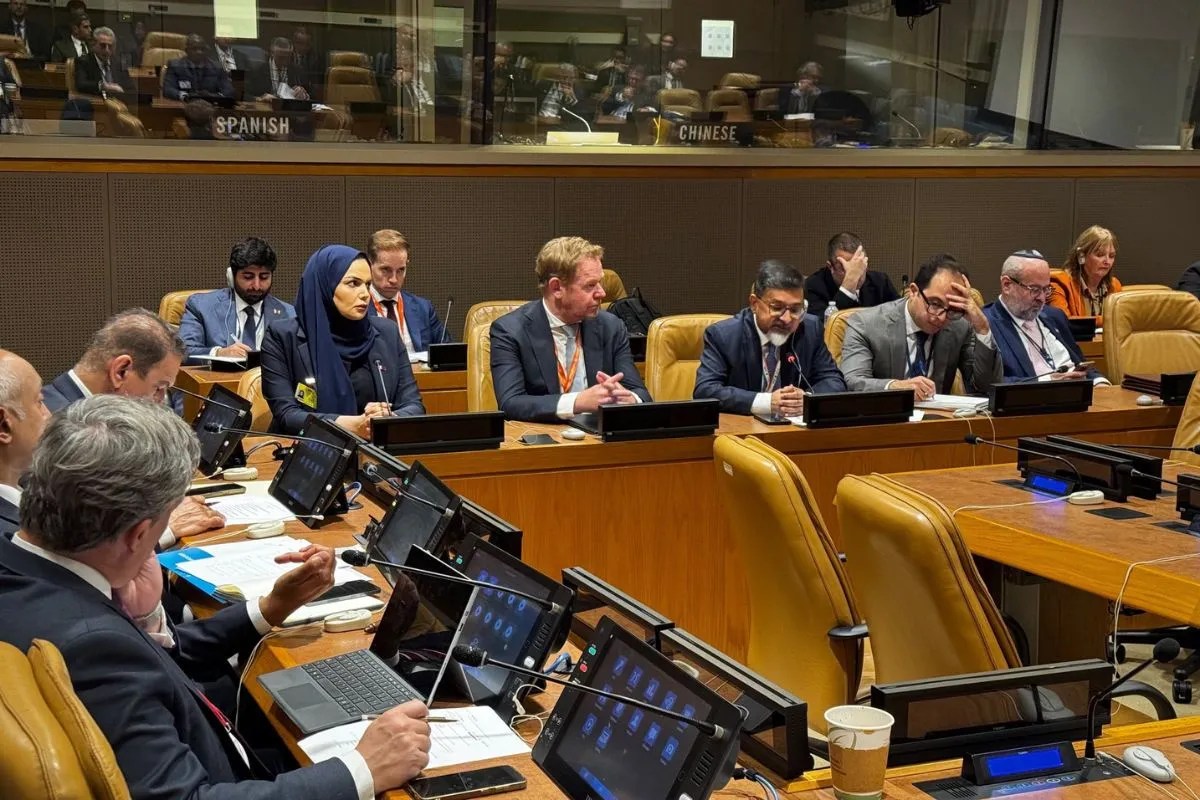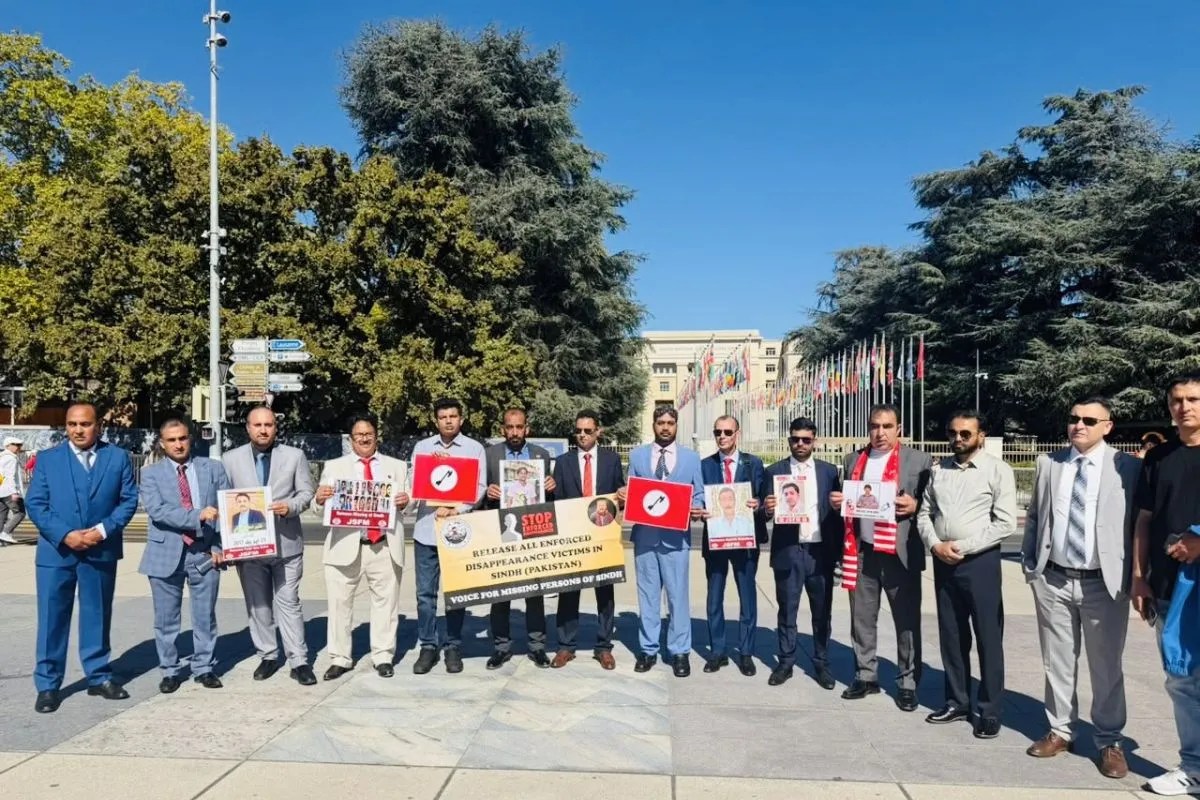
Political fragmentation within centralizing state models relies on predictable structural feedback loops, where marginalized subnational actors leverage international visibility to contest domestic hegemony. Recent demonstrations outside United Nations headquarters by the Sindh Freedom Group regarding the governance architecture of Pakistan highlight a recurring mechanism of transnational political advocacy. Rather than evaluating such demonstrations through standard rhetorical lenses, a rigorous examination requires deconstructing the underlying variables: the mechanics of center-periphery resource extraction, the utility of international forums as pressure valves, and the systemic friction generated by asymmetric federalism.
The Three Structural Pillars of Subnational Grievance
Opposition movements operating outside formal parliamentary channels typically anchor their resistance in three distinct operational pillars. Identifying these mechanisms clarifies why local grievances escalate into internationalized campaigns.
Resource Asymmetry and Fiscal Centralization
The primary friction point involves the distribution of revenues generated within resource-rich peripheries versus the allocation decisions made by federal administrative centers. When tax revenues, port duties, or agricultural outputs from a specific region are funneled into national defense budgets or infrastructural investments concentrated elsewhere, a fiscal imbalance develops. This dynamic creates a zero-sum economic environment where local populations experience the environmental degradation or labor extraction of primary industries while capturing a minimal fraction of the net economic surplus.
Administrative Hegemony and Cultural Standardization
The second pillar centers on governance structures. When central bureaucracies implement standardized linguistic, educational, or administrative norms, regional populations often interpret these policies as systemic attempts to dilute indigenous identity. In multi-ethnic states, the dominance of a single linguistic or cultural demographic within military and civil service hierarchies solidifies perceptions of internal colonialism. The terminology of imperial control used by dissident groups reflects this structural reality, capturing the sentiment that local legislative bodies function merely as rubber stamps for external directives.
Information Suppression and Civic Bottlenecks
The final pillar involves the management of dissent. When domestic legal frameworks restrict free assembly, journalistic inquiry, or political organization, local opposition networks face severe operational bottlenecks. This suppression forces political mobilization to migrate across borders. International institutions provide a neutral venue where suppressed domestic narratives can bypass state-controlled media monopolies, transforming local civic friction into transnational diplomatic pressure.
The Economic Cost Function of Internal Hegemony
Maintaining a highly centralized state architecture under conditions of severe regional discontent incurs quantifiable economic and political costs. Governments facing persistent peripheral unrest must allocate disproportionate capital toward internal security, intelligence apparatuses, and counter-insurgency infrastructure.
This security expenditure crowds out productive investments in human capital, healthcare, and technological modernization. Consequently, the macro-economy suffers from structural stagnation. The opportunity cost of internal coercion represents a heavy drain on national fiscal health. When capital flees unstable regions and foreign direct investment stalls due to perceived sovereign risk, the entire state apparatus experiences diminished economic velocity.
Peripheral groups understand this dynamic and utilize public demonstrations in global capitals to raise the international cost of domestic repression. By projecting instability onto the global stage, these groups aim to influence foreign aid disbursements, bilateral trade agreements, and multilateral lending conditions.
Strategic Mechanics of Transnational Advocacy
The decision to protest outside international headquarters rather than domestic legislative halls is a calculated tactical maneuver designed to exploit the vulnerabilities of sovereign states in the globalized economy.
Leveraging the Global Diplomatic Architecture
International organizations operate on norms of state sovereignty, yet they also maintain human rights frameworks and diplomatic monitoring mechanisms. Diasporic groups and regional freedom organizations target these institutions to achieve specific leverage points:
- Generating formal documentation of grievances within UN human rights bodies.
- Compelling foreign ministries of major powers to issue diplomatic inquiries or statements of concern.
- Disrupting the international narrative legitimacy of the central government during high-level diplomatic summits.
The Amplification Feedback Loop
Local protests in global media hubs function as signal amplifiers. A demonstration outside a major international body requires minimal physical capital compared to an armed insurgency, yet it yields a high return on attention. Media coverage feeds back into the domestic information ecosystem through encrypted messaging applications and independent digital channels, emboldening local resistance networks and signaling that their cause retains external visibility.
The Limits of Peripheral Protest Strategies
A sober analytical assessment must also account for the inherent limitations of external advocacy campaigns mounted by localized opposition groups. External visibility does not automatically translate into structural transformation.
Sovereign states frequently insulate themselves from external human rights pressure by forging strategic alliances with competing geopolitical superpowers. When a state occupies a vital geostrategic location or controls critical trade corridors, international bodies often prioritize geopolitical stability over human rights enforcement. Consequently, diplomatic communiqués and protests rarely alter the coercive capacity of a centralized military-bureaucratic apparatus in the short term.
Furthermore, diasporic political movements face the risk of radicalization decoupling them from the actual needs of populations remaining within the geographic territory. The tactical disconnect between leadership residing abroad and citizens navigating daily economic and security realities inside the periphery can weaken the long-term efficacy of the movement.
Strategic Outlook
The persistence of demonstrations by groups like the Sindh Freedom Group signals an enduring structural vulnerability within states that fail to transition from coercive centralization to genuine fiscal and political federalism. As long as economic surplus extraction remains asymmetrical and regional autonomy is suppressed, peripheral friction will continue to seek external outlets. The trajectory of this dynamic depends entirely on whether central authorities choose to reform internal power-sharing mechanisms or intensify the security apparatus—a choice that dictates the long-term stability and economic viability of the entire state.