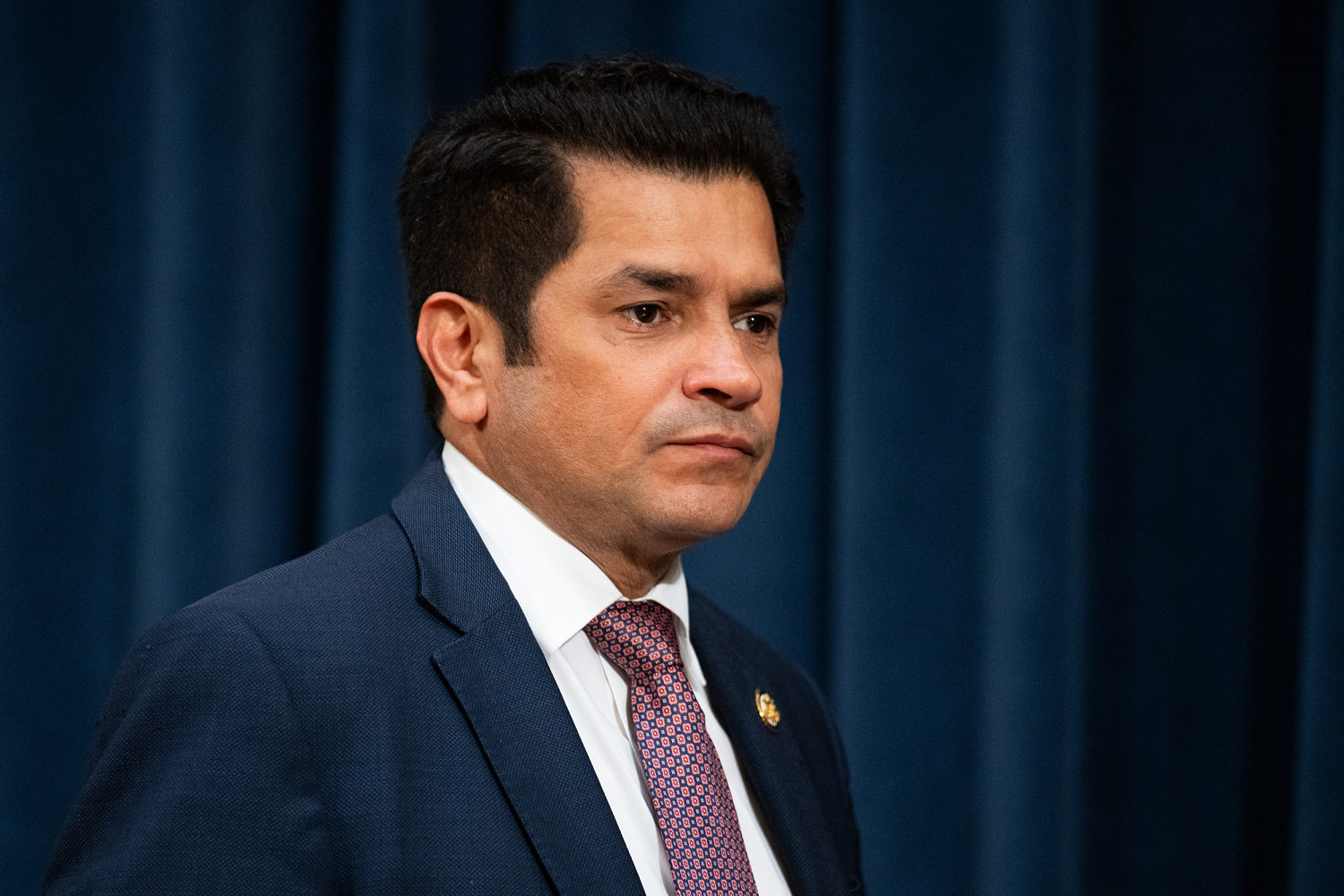
The formal confirmation of an investigation by the House Ethics Committee into Representative Jimmy Gomez transforms a localized political liability into a systemic test of congressional accountability structures. Bipartisan panels do not initiate public reviews based solely on ambient media reporting; they operate under procedural thresholds requiring verified predicate evidence. Understanding the trajectory of this inquiry demands a structural breakdown of the mechanisms governing congressional misconduct probes, the distinction between legal compliance and ethical codes, and the electoral ramifications for a sitting legislator facing a contested primary cycle.
The Anatomy of the Congressional Ethics Process
To decode the House Ethics Committee announcement, one must analyze the procedural lifecycle of a congressional investigation. The committee, operating through bipartisan leadership, follows a phased investigative framework:
- The Preliminary Inquiry Phase: Triggered by media disclosures—such as the initial 2023 reports regarding public interactions—or direct whistleblowing, staff analysts gather open-source data and preliminary testimony to determine whether a formal subcommittee should be formed.
- The Investigative Subcommittee Phase: If initial thresholds are met, a four-member bipartisan panel is empowereḍ to issue subpoenas, depose witnesses, and review internal communications. The transition to this phase explains the temporal gap between initial spring media coverage and the mid-August formal confirmation.
- The Adjudicatory and Recommendation Phase: The committee evaluates whether the proven conduct violates the Code of Official Conduct, federal statutes, or general standards of behavior. Potential remedies range from letters of reproval and formal censure to expulsion or referral to the Department of Justice.
Representative Gomez’s public defense relies heavily on a specific legalistic distinction: the assertion that his actions, while personally acknowledged as mistakes, were consensual and did not breach formal House rules or laws. This defense establishes a critical friction point between private moral accountability and institutional governance standards.
The Cost Function of Behavioral Infractions in Modern Politics
Elected officials operate within a multi-variable risk matrix where behavioral infractions trigger immediate operational drag. When personal conduct intersects with professional oversight, the resulting friction creates three distinct liabilities:
- Resource Diversion: Legal defense funds, crisis management consultants, and continuous media management divert capital and campaign bandwidth away from legislative duties and electoral mobilization.
- Coalitional Erosion: Institutional peers calculate their own association risk. When an ethics probe expands from a localized incident to encompass broader allegations—as reports indicate occurred during the expansion of the Gomez inquiry—party leadership faces compressed timelines for managing collateral damage.
- Primary Vulnerability Amplification: Operating in a top-two primary system, a scandal alters the calculus for challengers. Incumbency protection mechanisms weaken when institutional backing becomes a liability rather than an asset.
The simultaneous occurrence of multiple congressional ethics scandals—including recent high-profile resignations and censure recommendations across both political parties—demonstrates that legislative bodies are experiencing an institutional tightening of behavioral enforcement. The historical tolerance for gray-area interpersonal conduct within Capitol Hill ecosystems is compressing under external transparency pressures.
The Strategic Horizon
The ultimate resolution of the ethics panel's review will depend entirely on documentary evidence uncovered during staff depositions rather than public statements. If investigators substantiate claims of inappropriate contact involving subordinate staff from separate congressional offices, the defense of consensual private behavior faces structural obsolescence under House rules governing power dynamics and workplace safety.
For the incumbent's reelection campaign, the operational priority shifts from legislative output to reputation containment. The viability of the defense rests on proving an absolute firewall between personal indiscretion and official abuse of authority. Lacking that firewall, the institutional penalty imposed by the House Ethics Committee will serve as the primary determinant of political survival.