There is a specific smell to a crowded midnight cinema in July. It is a mix of stale butter, hot carpet, and the electric hum of collective anticipation. You sit in the dark, surrounded by strangers who will become your temporary tribe, all of us waiting for the world to dissolve. We want to believe in impossible things for two hours. We want the ground to shake.
This past week, the ground shook twice.
Look closely at the box office charts. The numbers are staggering, but cold statistics hide the human heartbeat driving them. We see dry headlines about record paces and new highs, yet behind those figures lies a frantic cultural hunger. People are not just buying tickets. They are buying an escape hatch. They are purchasing a communal heartbeat.
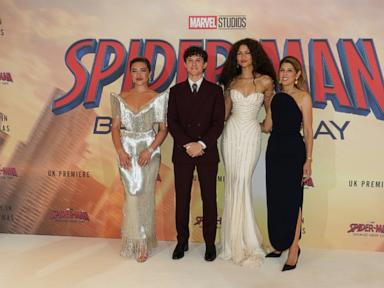
Consider the momentum behind the web-slinger. 'Spider-Man: Brand New Day' did not just open; it sprinted out of the gate with a velocity that caught industry veterans flat-footed. Strip away the corporate branding, the shareholder reports, the multi-million-dollar marketing blitz, and what remains? A kid in a mask. A teenager who is chronically broke, constantly exhausted, and trying to do the right thing when the whole city wants him to fail.
That is the secret. We do not show up for the CGI. We show up because Peter Parker is us on our worst Tuesday.
When the projector spins overhead, we watch a kid get knocked down into the rain-slicked pavement of Queens, only to pull himself up. Again. And again. The theater goes dead silent. You can hear a cough three rows back. Then, the brass swells on the soundtrack, and the collective intake of breath from three hundred people sounds like a single wave crashing against a bulkhead. That is what a record pace actually feels like. It feels like thousands of tired humans collectively deciding they believe in redemption for one more afternoon.
Across town, in the IMAX houses where the air feels thinner and the screens tower over the front rows like monoliths of glass and light, something entirely different was happening. Christopher Nolan was bending time again.
'The Odyssey' set a new high watermark for a director who treats celluloid like a physical architecture. (Note: When I say he bends time, I am speaking metaphorically about his structural editing and temporal loops, not literal physics). He does not shoot movies; he builds cathedrals out of noise and silence.
I remember sitting in a screening room years ago, watching the air tremble under the force of a 70mm print. You do not just watch a Nolan film. Your sternum vibrates. Your teeth chatter slightly from the bass frequencies rolling off the subwoofers.
With 'The Odyssey', he has done it again, translating an ancient, dust-covered epic about a soldier trying to find his way home across a wine-dark sea into an IMAX behemoth. Why now? Why are audiences rushing to watch a Greek king battle sea monsters and political betrayal on a forty-foot screen?
Because we are all lost at sea right now.
We live in an era of digital fog. Notifications ping like sirens on jagged rocks. Algorithms whisper sweet, anxious nothings into our pockets twenty-four hours a day. We drift. We wander from screen to screen, island to island, looking for an anchor that will not slip.
When Odysseus ties himself to the mast to listen to the sirens without perishing, we lean forward in our plush stadium seats. We know that rope. We know that temptation. We recognize the desperate, stubborn human will that refuses to let the dark water win. Nolan does not give us easy answers. He gives us scale. He reminds us how small we are against the cosmos, and somehow, strangely, that makes us feel safer.
Box office analysts will write long, tedious columns about theater counts, per-screen averages, and demographic targeting. They will use words like monetization and yield. They will miss the point entirely.
Art is a mirror, not a ledger.
When ticket sales spike simultaneously for a spandex-clad neighborhood hero and an existential voyage across ancient oceans, it tells a deeper story about the cultural psyche. We are torn between two fundamental desires. We want the intimacy of someone who understands our everyday panic, our rent checks, our broken hearts. And we want the grandeur of myth. We want to know that our suffering matters on a grand, cosmic scale.
The projector bulb burns at thousands of degrees. It has to. It is fighting the dark.
Think about the projectionist sitting in the tiny booth at the back of the theater, threading heavy reels through steel gates. They cannot see the audience's faces. They only see the back of bobbing heads silhouetted against the silver glow. They do not know if the person in seat J12 just lost their job, or if the couple in row D just had their first kiss, or if the teenager in the corner is dreaming of picking up a camera for the first time.
Yet, for those two hours, all those disparate lives snap into alignment. The laughter hits at the exact same millisecond. The gasps ripple outward in a perfect shockwave.
That is why the records fall. Not because of algorithms or calculated corporate synergy. They fall because we are lonely creatures who figured out how to project our dreams onto a wall so we could sit together in the dark and remember what it feels like to hope.
The credits roll. The house lights flare, harsh and unforgiving, turning the magic back into a room with sticky floors and empty popcorn buckets. We blink against the brightness. We pull our coats tight. We step back out into the cool night air, changed, even if just a little bit, ready to face our own monsters until the next showtime.