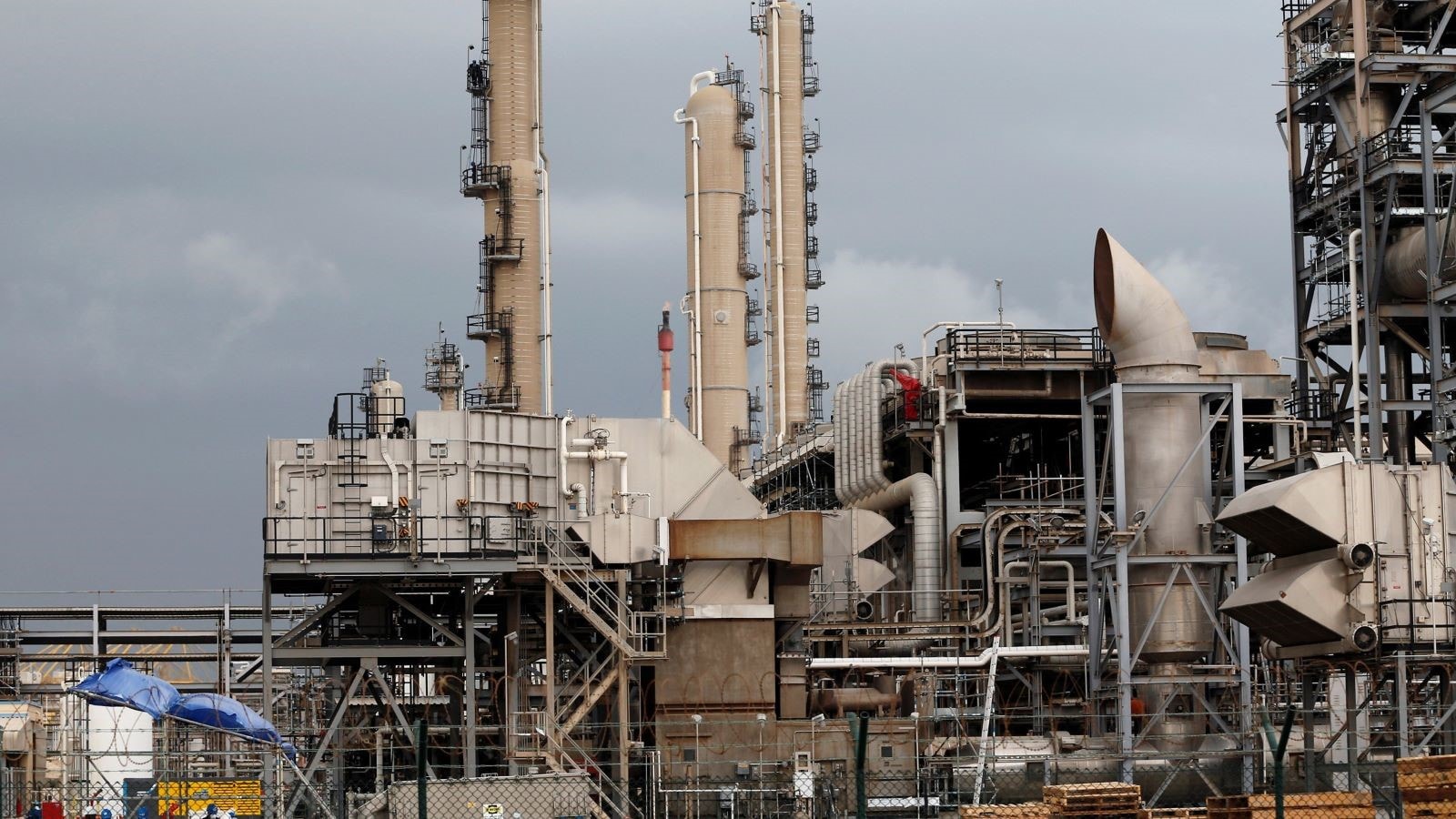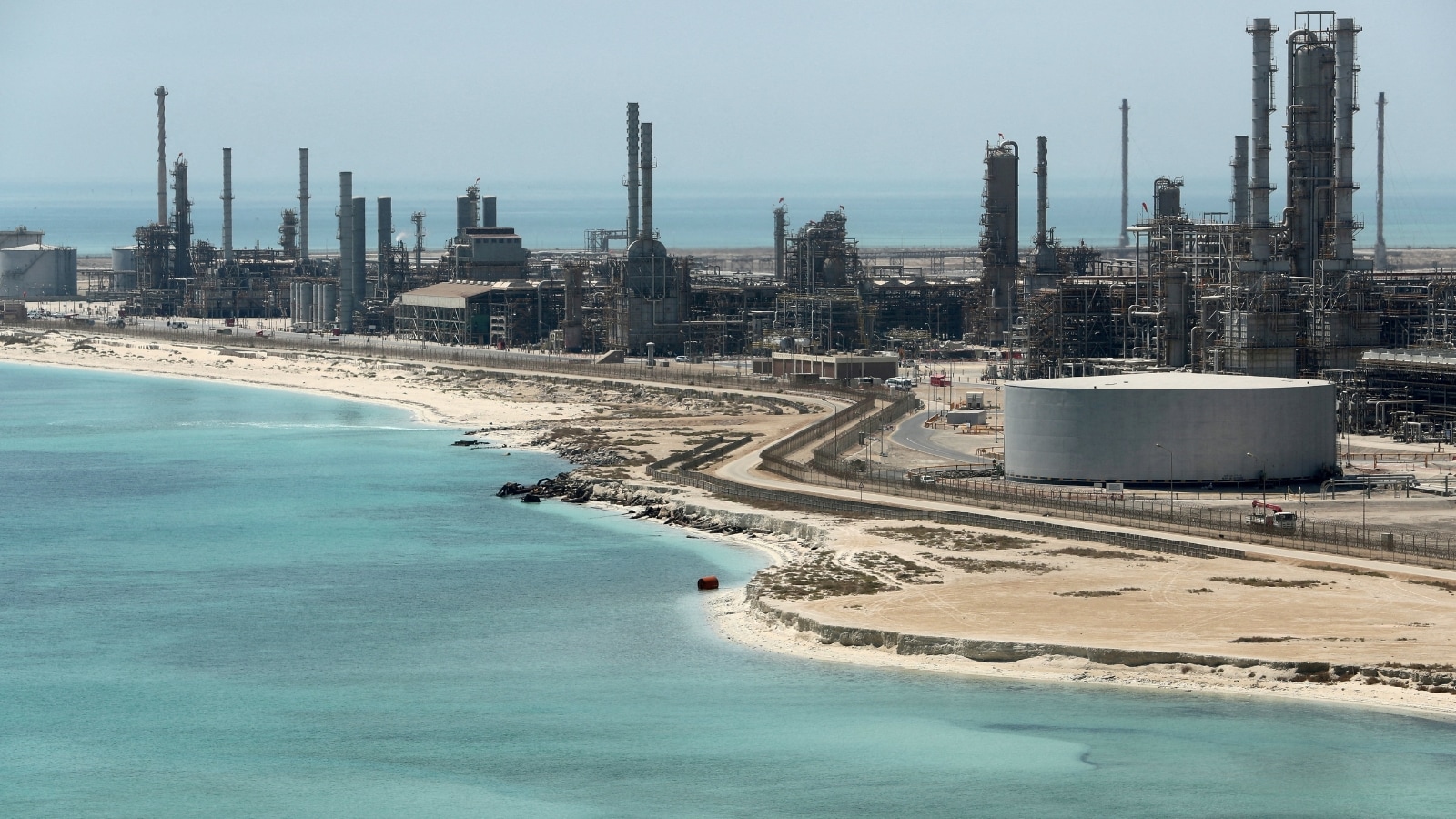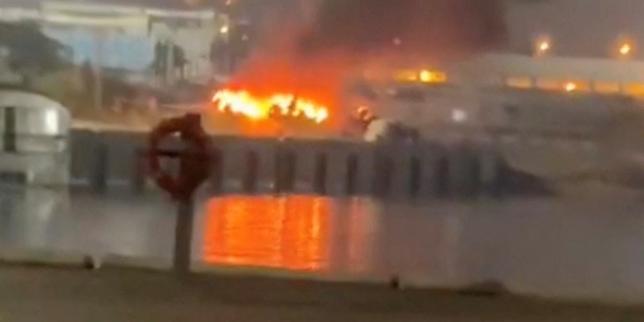
The mainstream media is having another collective panic attack.
A Norwegian-owned oil tanker gets rattled by an explosion off the coast of Oman, and immediately the front pages light up with apocalyptic warnings. We are told the global economy is one drone strike away from collapse. We are warned that the Strait of Hormuz is closing, that global shipping is defenseless, and that oil prices are about to launch into orbit.
It is a terrifying narrative. It is also entirely wrong.
If you want to understand the maritime shipping industry, you must first understand one fundamental truth: stability is cheap, but chaos pays. For shipowners, maritime insurers, and commodity traders, a kinetic incident in the Gulf of Oman is not a disaster. It is a highly lucrative, thoroughly priced-in business opportunity.
The breathless reporting of these incidents misses the entire economic reality of ocean freight. The shipping world does not fear these explosions. It feeds on them.
The Myth of the Choked Shipping Lane
Every time a vessel is damaged in the Middle East, commentators pull out the same dusty maps and point frantically at the narrow choke points. They assume that if you make a transit route dangerous, ships will stop coming.
This assumption ignores centuries of maritime history.
Shipowners do not run away from conflict; they simply raise their prices. During the Tanker War of the 1980s, Iraq and Iran attacked over 500 merchant vessels in the Persian Gulf. Missiles were flying, hulls were burning, and sailors were risking their lives daily. Yet, not a single day went by where oil stopped flowing through the Gulf. Why? Because the money was too good to walk away from.
The global merchant fleet is designed to absorb risk, not avoid it. When a region becomes a hot zone, two things happen immediately:
- The supply of available ships in that specific area drops slightly as risk-averse operators pull back.
- The demand for transport remains completely unchanged because the world still needs the oil.
This imbalance creates an instant spike in spot freight rates. A shipowner willing to sail into a hazardous zone can demand double, triple, or even quadruple the standard daily rate. For a Very Large Crude Carrier (VLCC) carrying two million barrels of oil, a daily rate jump from $30,000 to $120,000 turns a routine voyage into a multi-million-dollar jackpot.
The War Risk Premium Grift
To understand where the real money is made during these high-profile incidents, you have to look at the London insurance market. Specifically, you need to look at the Lloyd’s Joint War Committee (JWC).
The JWC maintains a list of areas worldwide where security risks are elevated. When a vessel enters a "listed" area, its standard hull and machinery insurance policy is suspended. In its place, the shipowner must purchase a specialized "War Risk" cover.
The pricing of these war risk premiums is where the magic happens.
Standard Transit Premium: ~0.02% of Hull Value
      │
      ▼ (Kinetic Incident Occurs)
      │
War Risk Premium Spike: Up to 0.5% of Hull Value
      │
      ▼
Cost Passed Directly to Charterer (Plus Markup)
For a modern VLCC valued at $120 million, a war risk premium of 0.5% means the shipowner must pay $600,000 for a single seven-day transit through the Gulf of Oman.
Here is the secret the industry does not want you to know: the shipowner does not pay a single dime of this.
Under standard charterparty agreements, all war risk premiums are passed directly to the charterer—the company buying and moving the oil. Not only does the shipowner pass this cost along, but they also frequently tack on administrative fees, crew hazard pay surcharges, and "operational risk" margins.
The shipowner turns a cost center into a profit center. Meanwhile, the marine underwriters in London pocket massive premiums based on perceived risks that rarely materialize into actual total losses. It is a beautifully orchestrated transfer of wealth from the consumer at the gas pump to the balance sheets of maritime conglomerates.
Steel Hulls are Harder Than Headlines
The media coverage of these explosions relies on the assumption that merchant ships are fragile targets easily sent to the bottom of the ocean. The pictures of smoke billowing from a tanker deck are designed to evoke images of the Titanic.
The reality of modern naval architecture is far less dramatic.
Since the early 1990s, global regulations have mandated double-hull construction for all ocean-going oil tankers. A modern tanker is essentially a ship inside a ship. The outer hull is separated from the inner cargo tanks by meters of void space, ballast tanks, and heavy steel framing.
[Outer Hull] ──► [Void Space / Ballast] ──► [Inner Hull] ──► [Crude Oil Cargo]
Most modern attacks—whether using limpet mines, small drone strikes, or rocket-propelled grenades—impact the outer hull above the waterline. While these attacks make for dramatic photography and terrifying news reports, they rarely penetrate the inner hull.
To actually sink a double-hulled VLCC laden with heavy crude, you need a sustained, military-grade assault using heavy anti-ship cruise missiles or heavyweight torpedoes. A minor explosion off the coast of Oman might singe the paint, breach a ballast tank, and ruin the captain’s afternoon, but the ship is almost never in danger of sinking.
The Norwegian tanker hit recently did not sink. It did not spill its cargo. It did exactly what modern tankers are engineered to do: it absorbed the impact, contained the localized damage, and remained afloat. The vessel will be towed to a drydock, the insurance company will foot the bill for repairs, and the shipyards will make a tidy profit fixing the steel.
The Theater of Geopolitical Volatility
Who benefits from keeping the narrative of a shipping crisis alive?
First, commodity traders. The oil market thrives on volatility. A flat, peaceful geopolitical environment leads to compressed margins and boring trade desks. A single drone strike off Oman creates "event-driven volatility." Traders can exploit the spread between futures contracts, bid up the price of oil on speculative fear, and liquidate their positions before the physical reality of supply catches up with the hype.
Second, defense contractors and naval lobbies. A shipping crisis is the perfect justification for deploying expensive naval assets to the region. It validates the massive budgets required to maintain carrier strike groups and international maritime coalitions.
If the sea lanes were actually as safe and self-regulating as the data suggests, it would be much harder to justify the multi-billion-dollar naval presence in the region. The threat must be kept active, visible, and terrifying to maintain the current defense funding models.
The Cost of True Security is Too High
If the global shipping industry actually wanted to stop these incidents, they could do so overnight. They could route vessels around the affected zones, invest in heavy private security detachments, or demand comprehensive naval escorts for every single transit.
They do none of these things because the economics do not make sense.
Re-routing a tanker around the Cape of Good Hope instead of transiting through the Middle East adds thousands of miles and weeks of travel time to a voyage. The extra fuel consumption, crew wages, and lost opportunity costs of having a vessel tied up on a longer route far exceed the cost of paying a high war risk premium and sailing straight through the danger zone.
Option A: Re-route around Africa
- Added Time: 12-14 Days
- Extra Fuel Cost: ~$400,000
- Lost Opportunity Cost: High

Option B: Sail through the Gulf of Oman
- Added Time: 0 Days
- War Risk Premium: $600,000 (Paid by the customer)
- Risk of actual ship destruction: < 0.1%
When you look at the cold, hard math, the choice is obvious. The risk of a minor hull puncture is a minor operational hazard. The cost of avoiding the risk is a guaranteed financial loss.
Demanding the Wrong Answers
The public asks the wrong questions after these attacks. They ask how we can secure the shipping lanes, how we can deter attackers, and how we can protect global trade from these disruptions.
These questions are based on the flawed premise that the system is broken.
The system is not broken. It is operating exactly as designed. The risk is calculated, the costs are externalized, the cargo is insured, and the profits are distributed to those who control the assets.
The next time you see a headline screaming about a tanker explosion off the coast of Oman, do not look for a geopolitical crisis. Look at the shipping stock indices. Look at the dry bulk and tanker spot rates. Look at the stock prices of the marine insurers.
You will not find panic there. You will find a quiet, highly profitable celebration.