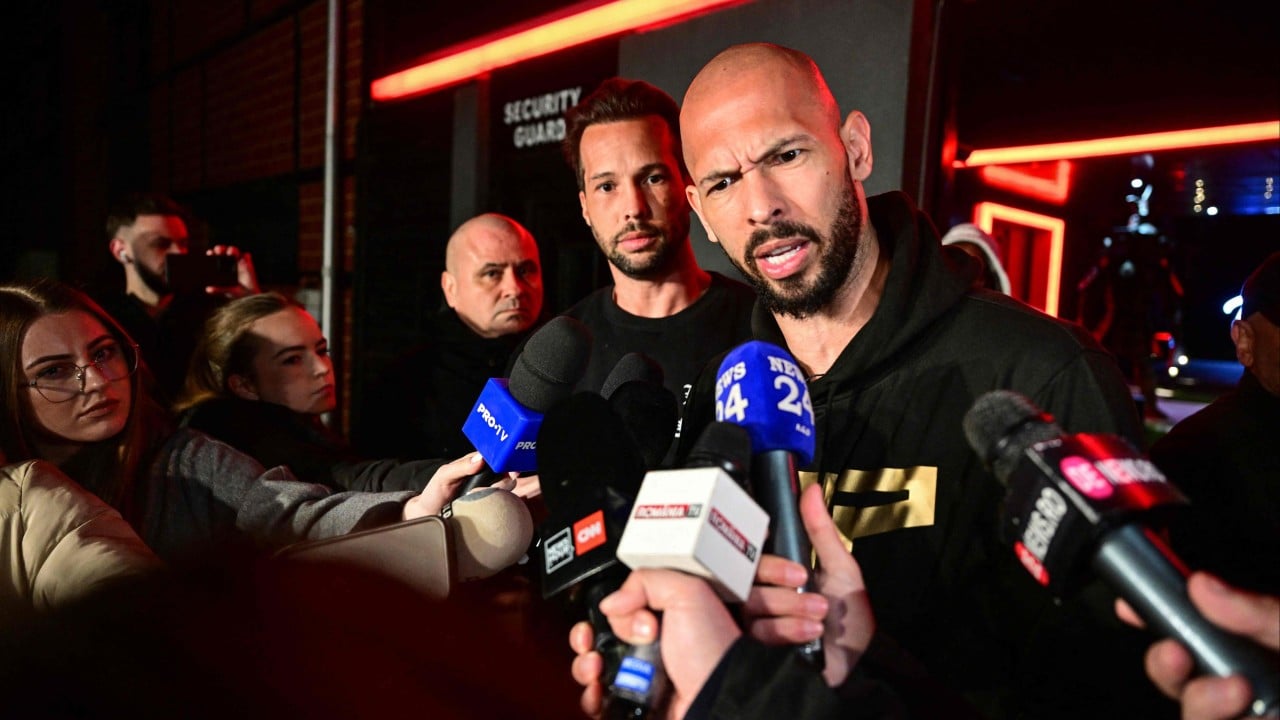
Andrew Tate and his brother Tristan are trading fitted suits for tan prison jumpsuits in Miami. After years of hopping borders, dodging Romanian indictments, and broadcasting luxury lifestyle advice to millions of followers, the influencers hit a wall in Florida.
US Marshals arrested the brothers on a sealed federal warrant following a formal request from the UK Crown Prosecution Service. British prosecutors expanded their criminal prosecution with 38 new charges, including multiple counts of rape, sex trafficking, assault, and possession of extreme illicit material. The total count of alleged victims in the British case now stands at seven.
If you thought their legal saga was ending in Eastern Europe, think again. The drama moved straight into a federal courtroom in Southern Florida.
The Reality Behind the New UK Charges
What shifted so suddenly? British law enforcement didn't just rehash old files. Bedfordshire Police handed a fresh dossier of evidence to prosecutors, covering alleged offenses between 2010 and 2017.
Andrew Tate faces seven additional counts of rape, three counts of arranging or facilitating trafficking for sexual exploitation, three counts of assault, and 19 charges related to indecent child images and extreme pornography. His younger brother, Tristan, faces two counts of rape, one count of sexual assault, and three trafficking charges.
Their defense team calls these charges political slander. Defense attorney Joseph McBride claims the British government is trying to sabotage civil defamation suits the brothers filed in the US. He argues that American authorities shouldn't do Britain's political dirty work.
Claims of political hit jobs sound dramatic on TV, but federal extradition courts care about legal standards and treaties, not political commentary.
How the US Extradition Legal Machinery Functions
Extradition isn't quick. It isn't automatic either.
Because both brothers hold dual US-UK citizenship, some followers assumed Washington would shield them. That assumption overlooks how international extradition law operates under the 2003 treaty between Washington and London.
For an extradition request to succeed, three specific core conditions must be met:
- Dual Criminality: The alleged crimes must be serious offenses punishable under the penal codes of both the United Kingdom and the United States.
- Probable Cause Standard: UK authorities must furnish sufficient factual evidence to demonstrate reasonable suspicion to a US federal judge.
- Lack of Political Exemption: The offense cannot be a purely political crime, which violent sexual offenses clearly are not.
Federal magistrate judge Lauren Louis set formal proceedings in motion, keeping both men detained without bail. In federal extradition cases, bail is extraordinarily rare. Flight risk is considered extremely high when defendants possess private jets, massive global financial reserves, and a history of cross-border travel.
The legal process moves in two distinct phases:
First, a US district judge reviews the Crown Prosecution Service warrant to confirm treaty compliance and factual sufficiency. If the judge certifies the extradition request, the case moves to the executive branch.
Second, the final signature belongs to US Secretary of State Marco Rubio. While the State Department holds discretionary authority, American officials almost never reject valid extradition requests from London. The US-UK treaty has a standard approval record stretching back decades.
Why Romania Lost Control of the Legal Narrative
To understand how the Tates ended up in a Miami detention center, you have to look back at Bucharest.
Romanian authorities arrested the brothers in late 2022 on human trafficking and organized crime allegations. For over two years, that case stalled due to procedural delays, appeals, and jurisdiction arguments. Romanian courts eventually lifted travel restrictions, enabling the brothers to board a private jet straight to Florida.
Leaving Eastern Europe didn't clear their names. It simply shifted the venue.
British authorities were waiting for the right moment. The moment the brothers landed on American soil, the UK Crown Prosecution Service activated international legal mechanisms. British police had previously intended to wait until Romanian court proceedings concluded, but the sudden relocation to Florida forced London to act swiftly before the brothers moved to a country without a US extradition treaty.
What Most People Misunderstand About the Defense Strategy
The defense team's public comments focus on broad political claims, suggesting low-level government officials greenlit the arrests without proper authorization. However, the US Department of Justice confirmed that leadership in its Criminal Division personally authorized the operation.
Lawyers often use media appearances to build public sympathy, but courtroom strategies require actual legal arguments. In court, the defense faces tough structural hurdles:
- Identity and Specialty Arguments: Defendants can argue wrong identity or claim the requesting country will try them for unlisted crimes, but identity isn't in dispute here.
- Procedural Delays: Defense attorneys can file appeals, delay hearings, and challenge evidence admissibility to draw out proceedings for months or years.
- Sovereignty Conflicts: Defense attorneys argue that ongoing Romanian legal claims prevent UK extradition, though international law permits concurrent requests when serious charges arise.
Delaying the process keeps defendants out of British courtrooms temporarily, but prolonged federal detention in Miami is far from comfortable.
Practical Takeaways from This Legal Turning Point
This case highlights how modern international law enforcement operates across borders:
- Social Media Doesn't Shield Anyone: Millions of online followers and wealth do not grant immunity against coordinated international warrants.
- Bilateral Treaties Are Powerful: Dual citizenship offers no protection when two allied nations share a robust bilateral treaty.
- Jurisdictional Hopping Fails: Moving between countries rarely erases active police investigations; it often complicates defense logistics.
Keep an eye on upcoming magistrate hearings in Miami federal court. The legal fight will be long, structured, and entirely defined by legal precedent rather than social media noise.