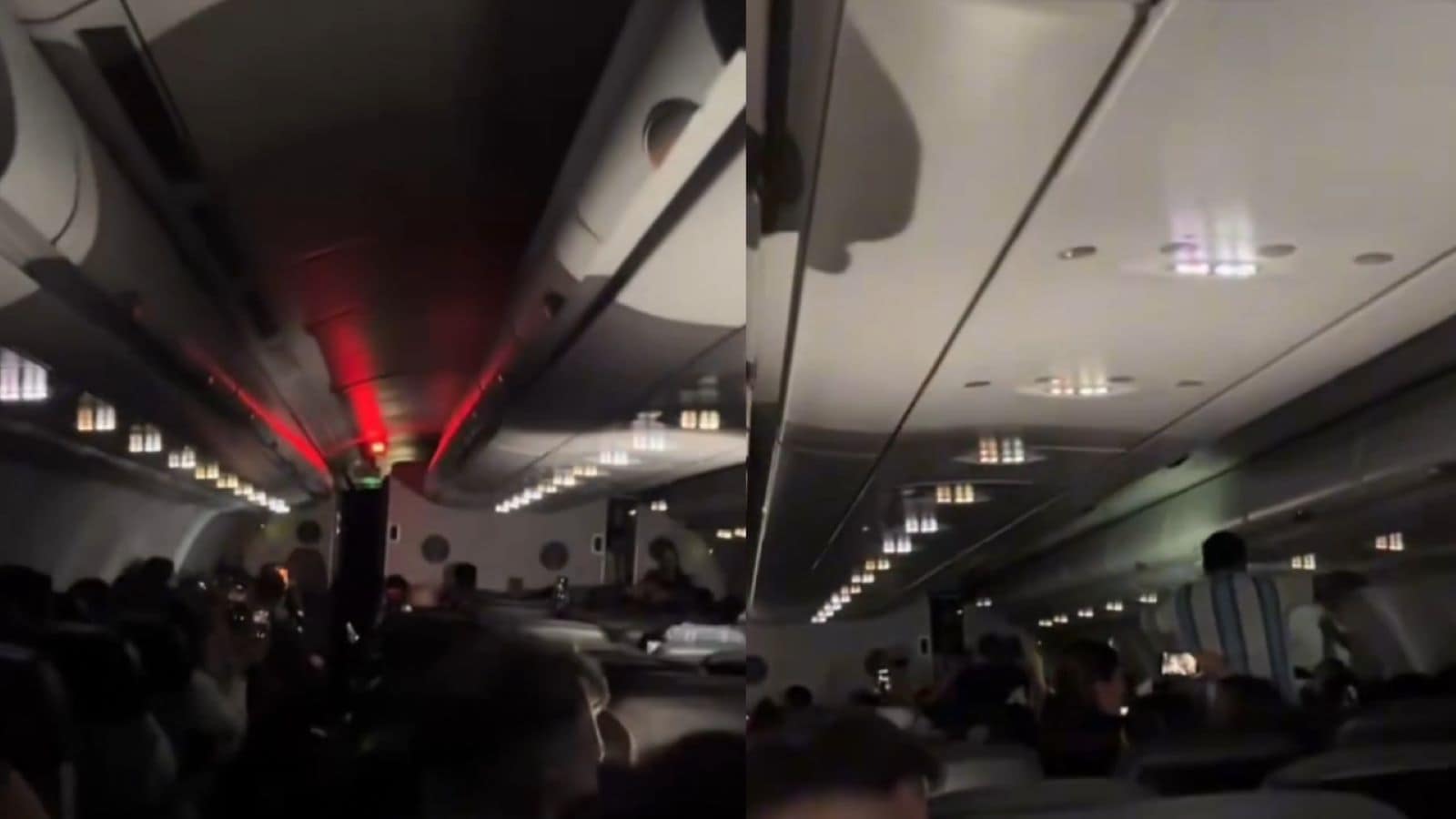
The Air Inside an Aeroplane Cabin
Thirty thousand feet up, oxygen gets thin, but anticipation makes the air heavy.
Picture a cabin packed tight with football fans. Not just any fans, but Argentinians—people whose relationship with football isn't a pastime, but a pulse. They were suspended between heaven and Earth, trapped inside a flying metal tube, completely cut off from the universe. No Wi-Fi. No signal. Just the muffled hum of jet engines and the suffocating weight of an ongoing World Cup match unfolding miles below them.
Every person in those seats was holding their breath.
To understand the sheer cruelty of what was about to happen, you have to understand the stakes. Football in Argentina is an inheritance. It is a shared grief when you lose, and a holy resurrection when you win. On this flight, every turn of the fuselage felt like a countdown. Were they champions? Were they heartbroken? The silence from the cockpit was a torture device.
Then, the crackle.
The Sound of a Sealed Fate
The public address system clicked on with that familiar, static-laced chime.
The voice belonged to the pilot—a Spaniard. Now, there is a historical, cultural, and sporting tension that exists between Spain and Latin America on the pitch, but in that moment, the captain was the sole arbiter of truth. He held the altitude, the course, and the ultimate piece of news.
He cleared his throat. He spoke into the microphone. He announced, with practiced calm, that Argentina had won.
Pandemonium.
In an instant, the cabin exploded into a singular, violent roar of catharsis. Total strangers grabbed each other by the shoulders. Tears streamed down faces. People stood up, defying the seatbelt sign, singing chants that had been passed down through generations. The cabin shook with the rhythmic stomping of feet. For three incredible, glorious minutes, that aircraft was the happiest place on planet Earth.
People were crying on each other’s shoulders. Pure, unadulterated ecstasy filled every inch of the aisle.
And then came the punchline.
The Cost of a Punchline
The captain came back on the intercom.
He wasn't finished. With a slight chuckle in his voice, he admitted the truth: he was joking. The game wasn't over. In fact, the final whistle hadn't even blown.
The air sucked out of the room instantly.
Silence can be louder than a stadium. The sudden plummet from absolute euphoria to utter, stomach-churning panic happened faster than a freefall. The chants died in throats. The tears of joy instantly curdled into sheer disbelief and fury. People dropped back into their seats, stunned, staring at the ceiling speakers as if a ghost had just spoken to them.
It was a prank. A mid-flight gag by a pilot who thought he was adding a little harmless humor to a long journey.
Humor, however, requires a shared language. To the pilot, it was a lighthearted ribbing between football rivals. To the passengers, it was a psychological grenade dropped into an enclosed space.
Suspended in the Unknown
What makes a moment like this stick in the throat isn't just the lie itself—it is the utter powerlessness of being a passenger.
When you are on the ground, a bad joke can be walked away from. You can check your phone. You can refresh a live-tracker. You can call a friend. But inside a cabin, you are locked in a sensory vacuum. The pilot is not just flying the plane; he is your only window to reality.
When that trust breaks, even for a joke, the cabin changes atmosphere. The remainder of that flight wasn't filled with laughter. It was filled with anxious sweat, fidgeting hands, and silent prayers offered up to a blank ceiling.
Eventually, the plane touched down. The wheels bit into the tarmac. Phones clicked off airplane mode in unison, a hundred screens lighting up at once to pull down real data from the atmosphere.
The real result didn't matter as much as the lesson left hanging in the sky. Some jokes cost nothing. Others cost the emotional sanity of a hundred people suspended in the clouds, waiting to find out if their hearts were going to break.
/origin-imgresizer.tntsports.io/2024/01/28/3875473-78742388-2560-1440.png)


