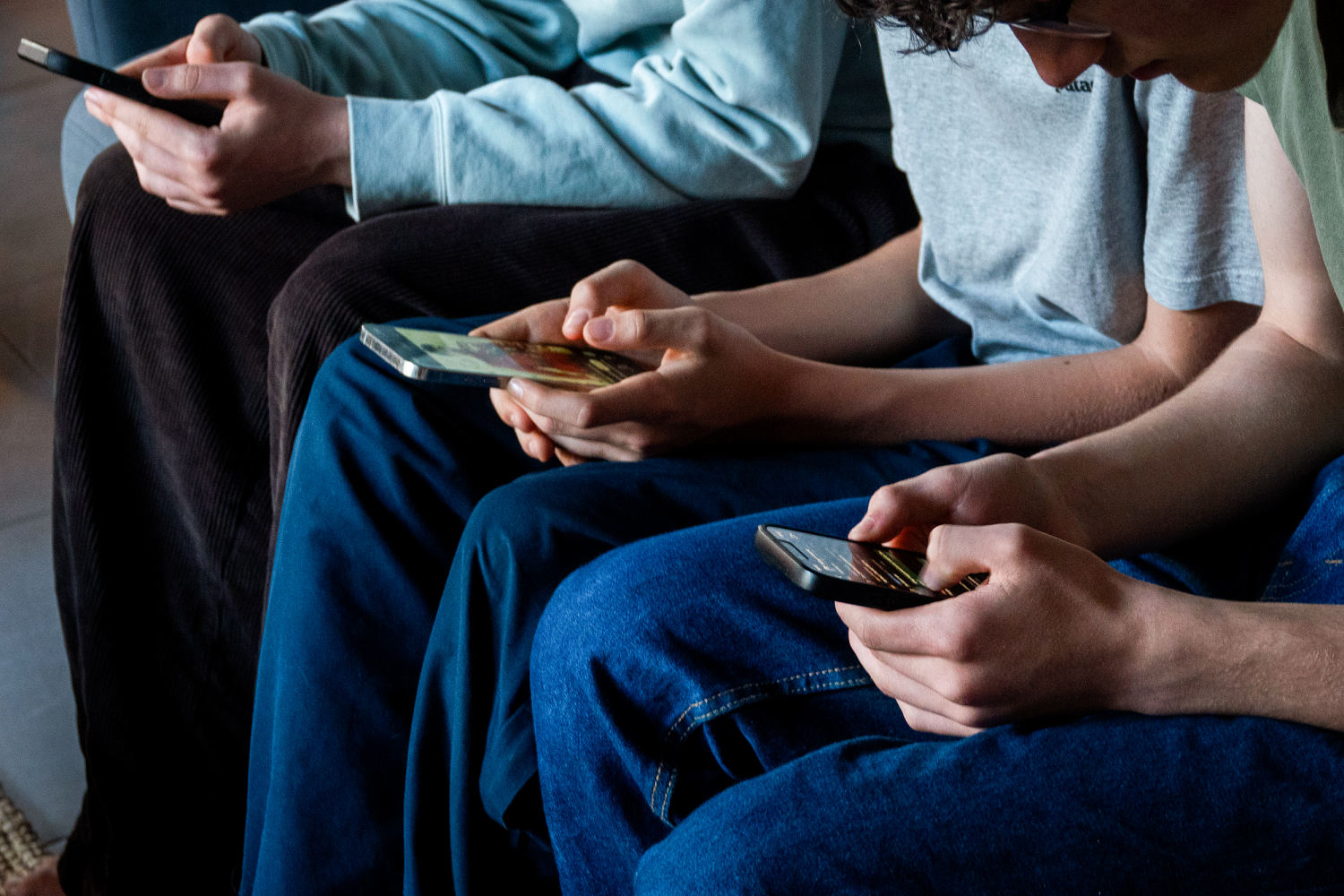
TikTok just backed out of another major courtroom fight. On June 30, 2026, news broke that the company reached a confidential settlement with a 15-year-old Florida boy known as R.K.C. The teen accused the platform of intentionally hooking him, ruining his sleep, and causing severe depression and anxiety. This settlement drops TikTok from a highly anticipated jury trial in Los Angeles scheduled for July 27.
The move is part of a clear pattern. Tech giants are terrified of what everyday juries will do when they see internal documents about how these apps are built.
By settling, TikTok avoids the public spectacle of a trial. YouTube did the exact same thing last week with the same plaintiff. Now, Meta and Snap are left standing alone to face the music in July.
The Reality Behind the Bellwether Strategy
This Florida teenager started using social media when he was just eight years old. According to court filings, his compulsive use led to diagnoses of generalized anxiety disorder and major depressive disorder. He ended up in therapy by 2023, battling suicidal thoughts. His legal team at Morgan & Morgan argued that features like infinite scroll and autoplay are not accidental design choices. They are deliberate tools engineered to exploit human psychology for ad revenue.
This case is what the legal world calls a bellwether trial. It is a test case.
Right now, tech companies face more than 10,000 individual injury lawsuits and hundreds of claims from school districts. Trying these cases one by one would break the court system. Instead, judges select a few representative cases to go to trial first. The outcomes of these early trials set the price tag for the thousands of cases waiting in line.
We already know what happens when these companies actually go to trial. In March 2026, the first bellwether trial ended in a massive victory for a young woman named Kaley. In that case, TikTok and Snap settled right before the trial started. Meta and Google decided to fight. A California jury found them liable and hit them with a $6 million verdict.
TikTok watched that happen and decided it wanted no part of a second round.
Bypassing the Section 230 Shield
For decades, social media companies hid behind Section 230 of the Communications Decency Act. That law says platforms cannot be held responsible for what users post. If someone uploads a harmful video, you cannot sue TikTok for hosting it. It was a perfect legal shield.
The lawyers handling these addiction cases found a way around it.
They are not suing over the content of the videos. They are suing over product design. Los Angeles Superior Court Judge Carolyn Kuhl previously ruled that Section 230 does not protect companies from claims about how their apps function. The lawsuit targets the mechanical features. Push notifications that ping at 3:00 AM. Algorithms that predict exactly what will keep an eight-year-old staring at a screen. The dopamine reward loop of variable likes.
When you frame the app as a defective physical product rather than a bulletin board, the tech industry's favorite legal defense falls apart.
Meta and Snap Face a Hard Choice
With TikTok and YouTube out of the July trial, the pressure on Meta and Snap is immense. Meta is developing a reputation as the holdout. Mark Zuckerberg and Instagram head Adam Mosseri both had to testify in the first trial. Now, Snap CEO Evan Spiegel might find himself on the witness stand in this upcoming male-centered case.
Lawyers note that the psychological impact on a young boy involves different circumstances than the first trial. A second consecutive loss for Meta could force the company into multi-billion dollar settlement talks for the remaining thousands of cases.
If you are a parent tracking these developments, do not expect to see the financial details of TikTok's agreement. These deals are locked behind strict confidentiality agreements. The real value of these settlements is the precedent they set behind closed doors. Tech companies are signaling that they know their algorithms cannot withstand public scrutiny.
Keep an eye on the Los Angeles courtroom on July 27. The legal defense of the open internet is changing fast, and the tech giants are running out of places to hide.