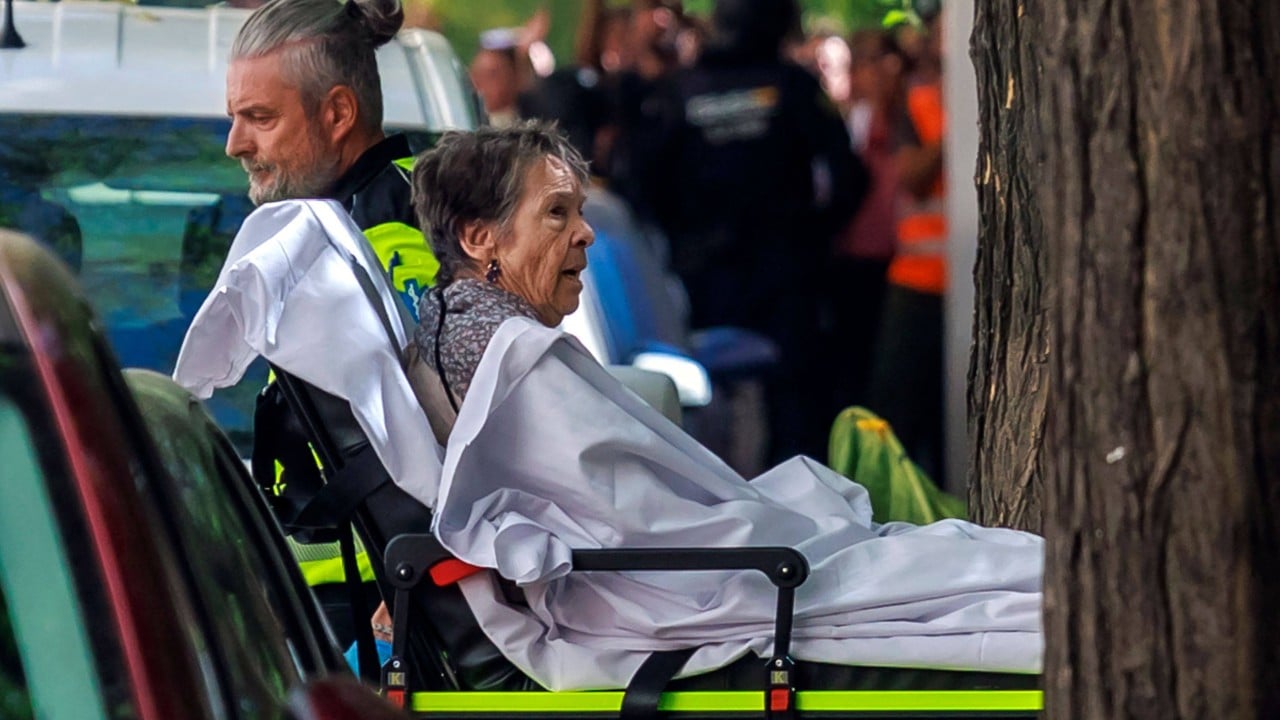
When police officers carried an 87-year-old woman out of her Madrid apartment on a stretcher, they didn't just execute a routine eviction. They broke something fundamental in the social contract of modern Spain.
María del Carmen Abascal—known universally as Maricarmen—had lived in her sixth-floor apartment near Retiro Park for more than seven decades. Her family rented it long before corporate real estate funds and short-term rentals turned Spain's housing market into an absolute predator's playground. When she was forced out on September 23 due to unaffordable rent spikes, the images shocked the nation. Two weeks later, she died in a hospital from the sheer physical and emotional toll of the ordeal. Expanding on this theme, you can also read: The Last Handshake in South Block.
Her death didn't just spark grief. It ignited an absolute firestorm.
The Breaking Point of a Generation
You cannot understand why Maricarmen’s death became a political earthquake without looking at the numbers underneath Spain's housing emergency. Rents across the country have skyrocketed by roughly 80 percent over the past decade, while wages have flatlined. In cities like Madrid and Barcelona, the average monthly rent devours nearly the entire paycheck of an average young worker. Experts at NPR have also weighed in on this matter.
People are furious. For years, politicians talked about affordability while housing costs climbed out of reach. Young Spaniards can't leave their parents' homes, start families, or plan a future.
When Maricarmen was dragged from her lifelong home, she became the tragic mirror of a broken system. Protesters flooded the streets of Madrid and Barcelona. They set up giant protest encampments in public squares, demanding immediate intervention.
Too Little, Too Late from Corporate Landlords
The backlash was so severe that the investment firm owning Maricarmen's apartment caved. Just six days after her case dominated national headlines, they agreed to let her return under an affordable rent agreement.
It was a hollow victory. Maricarmen was already hospitalized, suffering from severe exhaustion and trauma. She never got to sign the papers or sleep in her own bed again. She passed away just hours before the paperwork could be finalized.
From her hospital bed, her message was heartbreakingly simple: she wanted what most people want, which was just to die peacefully in her own home. Instead, her forced removal catalyzed the largest wave of social unrest Spain has seen in over a decade, culminating in massive general strikes and fierce political polarization.
Why This Changes Everything Moving Forward
The fallout from Maricarmen's passing goes far beyond a single tragic eviction. It has weaponized housing as the definitive political battleground. Prime Minister Pedro Sánchez expressed public condolences and faced immense pressure to overhaul rental regulations, while opposition leaders sparred over whether the tragedy was being exploited for political gain.
Meanwhile, tenant unions and grassroots activists refuse to let the momentum die. Thousands march regularly, chanting that Maricarmen lives on through their resistance.
Housing security isn't just an economic bullet point on a policy paper. When ordinary citizens watch an 87-year-old grandmother lose the roof over her head after seventy years, the abstract concept of a housing shortage becomes a human rights failure. Maricarmen didn't live to see the change she inspired, but her name remains the rallying cry for a generation demanding a place to live.