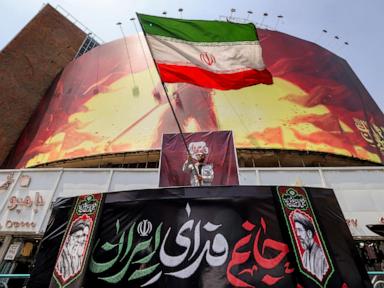
Donald Trump isn't rushing into another military confrontation. Instead, he's sitting back and watching inflation crush Tehran.
When Trump told reporters that Washington is "low-keying" its approach to Iran, he signaled a massive shift in strategy. Rather than dropping bombs or ordering new offensive operations, the White House is letting a crippling economic blockade do the heavy lifting. It's a calculated gamble. Trump claims the Iranian government has no money left, massive inflation, and serious trouble even paying its troops.
You have to look at the numbers to understand why Washington feels comfortable stepping back. Crude oil prices have drifted down to just over $75 a barrel, taking the sting out of energy costs for American consumers. With midterm elections looming, keeping fuel prices stable is a massive priority. Why risk a messy escalation when domestic economic pain is easing and Tehran's coffers are running dry?
The Chess Game Over the Strait of Hormuz
The core issue remains the vital Strait of Hormuz. For months, the closure of this critical shipping lane has choked global energy markets. Mediators in Oman thought they were close to a breakthrough. Then Tehran shifted the goalposts.
Iran's Supreme National Security Council laid out hardline new demands. They want the U.S. naval blockade lifted, sanctions removed, frozen assets released, and compensation for wartime damage before they even think about letting commercial tankers pass through freely again. Iranian Foreign Minister Abbas Araghchi publicly insisted that no direct negotiations are happening at all, claiming there's only an indirect exchange of messages through intermediaries.
Trump's response to these shifting demands isn't rage. It's indifference.
"We are only semi-negotiating with them," Trump noted in an interview. "It will work out. It always works out. It's like a chess game."
Inside Tehran's Power Struggle
The regime in Tehran isn't presenting a united front. Behind closed doors, a bitter internal feud is tearing the leadership apart.
On one side, President Masoud Pezeshkian's camp knows the country faces total economic collapse unless they strike a deal to reopen trade. On the other side, hardline factions—including elements within the Islamic Revolutionary Guard Corps—insist the waterway must remain closed until the enemy caves completely.
Meanwhile, questions swirl around the health and visibility of Supreme Leader Mojtaba Khamenei, who has remained largely hidden since his father's death early in the conflict. Communication inside the upper echelons of the regime is slow, fragmented, and heavily reliant on intermediaries.
What Happens Next
Washington is betting that time is on its side. A military strike is always an option on the table, but holding off allows the naval blockade and hyperinflation to apply continuous pressure on the regime. If oil prices stay stable and domestic unrest inside Iran mounts due to financial starvation, the Whitehed House believes Tehran will eventually have to blink.
The strategy is simple patience. Let the economy implode, keep oil flowing steadily for American consumers, and wait for the other side to realize they can't afford to stay closed.
:max_bytes(150000):strip_icc()/ar-American-Cheese-taste-test-horizon-4x3-54cc339550cd44b9a818c17bdfd5428d.jpg)