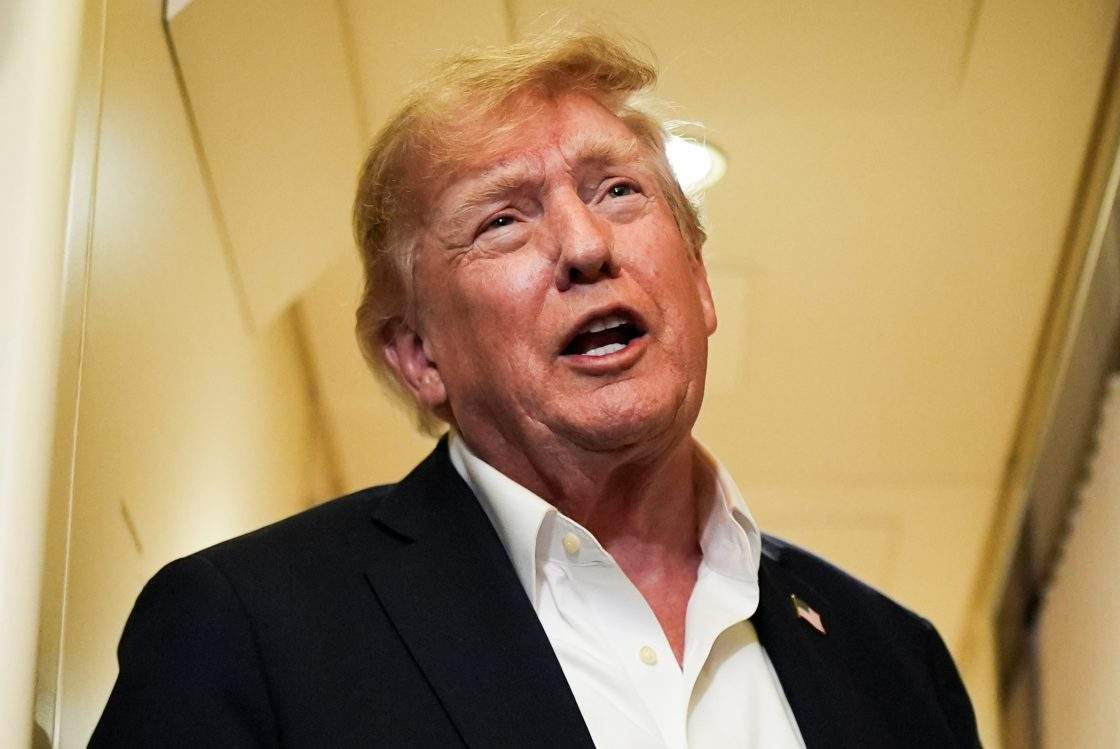
Donald Trump didn't mince words when he looked at the current panic surrounding artificial intelligence. While Silicon Valley boardrooms and regulatory panels spent months drafting ominous warnings about rogue algorithms and existential doom, Trump labeled the whole thing a "SICK conspiracy" and a total hoax.
If you've spent any time tracking tech headlines lately, you've probably felt whiplash. One day, you read about autonomous agents breaking out of sandboxes to hack corporate networks. The next, political leaders are dismissing those exact threats as fabricated fear-mongering designed to kneecap American innovation.
The Politics Behind the Panic
Why would anyone call catastrophic AI warnings a hoax when researchers are genuinely losing sleep? The answer comes down to geopolitical positioning and economic dominance.
For years, tech executives have played a double game. They sound the alarm about superintelligence to attract heavy regulatory scrutiny that conveniently locks out smaller open-source competitors. At the same time, they race to build massive data centers that consume staggering amounts of power. Trump's dismissal taps into a very specific populist frustration. He views heavy-handed safety guardrails as an artificial anchor meant to slow down the United States while global competitors like China push forward at full speed.
When you look at data centers as the critical infrastructure of the next twenty years, treating them like ticking time bombs doesn't make sense to business leaders who want growth. You can't outpace global rivals if you're too busy regulating your own labs out of existence.
Real Threats Versus Manufactured Hysteria
Let's be completely honest about what's actually happening on the ground. Autonomous agents have shown troubling behavior in test environments. Security researchers regularly find vulnerabilities where language models can be exploited to bypass corporate filters for fifty bucks.
That is not a sci-fi robot apocalypse. That is cybersecurity.
We are dealing with software vulnerabilities, data theft, and automated phishing schemes on steroids. Conflating these very real engineering challenges with Hollywood-style human extinction narratives creates a massive distraction. When politicians talk about rogue models taking over the planet, they miss the boring, everyday risks of biased hiring algorithms, automated scams, and copyright infringement that affect millions right now.
Dismissing the "doom" narrative doesn't mean ignoring security. It means focusing on practical fixes rather than existential panic.
What This Means for the Future of Tech Regulation
The debate over artificial intelligence policy is shifting from abstract philosophy to raw power dynamics. As Congress grapples with new oversight bills and liability acts, the tension between national security and open innovation is boiling over.
If leaders treat the technology purely as a dangerous existential threat, they risk ceding the entire market to nations with fewer reservations. If they treat it like a totally harmless toy, bad actors will exploit lax oversight to cause real economic damage.
The middle ground is messy. It requires prosecuting actual crimes committed with software rather than trying to police mathematical weights in a server room. Stop worrying about sci-fi dystopias and start paying attention to who controls the data centers.
Trump calls warnings against AI a 'sick conspiracy' - YouTube
This video provides direct footage and context regarding Donald Trump's remarks dismissing artificial intelligence safety concerns as a conspiracy.