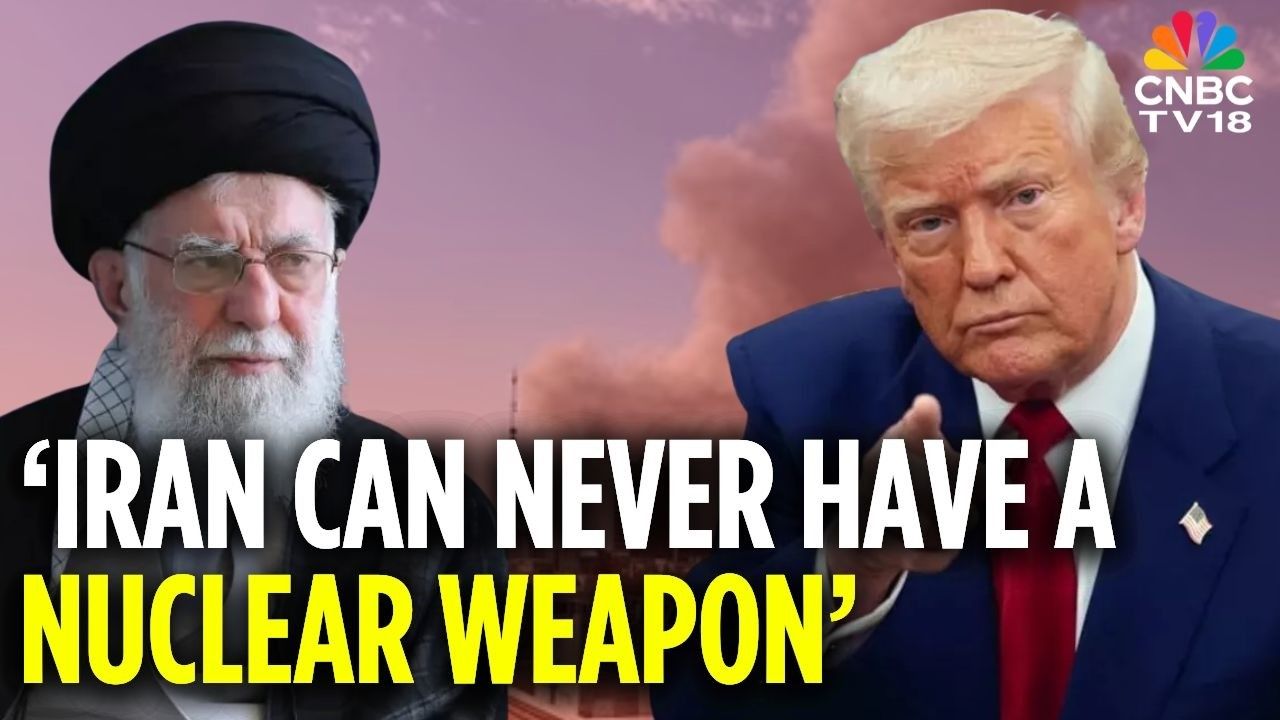
Donald Trump spent years insisting he didn't want to topple the Iranian government. He’d talk about "making Iran great again" and bragged about his restraint when he called off a 2019 strike at the last minute because it wasn't "proportionate." But that version of Trump is gone. The launch of Operation Epic Fury in March 2026 marks the most violent pivot in modern American foreign policy. By ordering the strikes that reportedly killed Supreme Leader Ayatollah Ali Khamenei, Trump didn't just cross a red line—he erased it.
The question isn't whether he did it. The question is why now. For months, Trump's inner circle played a high-stakes game of "will-they, won't-they" with Tehran. He offered them everything from a seat at the global table to free nuclear fuel. He sent Steve Witkoff and Jared Kushner to try and close a deal. In the end, it was a mix of Iranian "stall tactics," a brutal domestic crackdown in Tehran, and Trump's own success in Venezuela that convinced him the regime was a "paper tiger" ready to fold. If you found value in this post, you might want to look at: this related article.
The death of patience and the failure of the deal
Trump loves a deal. He's obsessed with the idea that any problem can be solved if you get the right people in a room. For the better part of 2025 and early 2026, he genuinely thought he could charm or bully the Iranians into a "Trump Deal" that would make the JCPOA look like a high school project.
The U.S. offered Iran a path to a civilian nuclear program with fuel provided in perpetuity. It was a gold-plated exit ramp. But the Iranians wouldn't budge on their ballistic missiles or their regional proxies. By February 2026, the mood in the West Wing shifted from optimistic to irate. Trump told reporters at Fort Bragg that a change in power would be the "best thing that could happen." He wasn't just venting; he was signaling that the era of negotiation was over. For another look on this story, check out the recent coverage from The Washington Post.
Why the Venezuela model changed everything
You can't understand Trump's 2026 mindset without looking at what happened in Caracas. Earlier in the year, a lightning-fast U.S. operation captured Nicolás Maduro. It was clean, it was decisive, and most importantly, it worked. The "Maduro Grab" convinced Trump that old-school regime change didn't have to mean a ten-year occupation like Iraq.
Jonathan Schanzer from the Foundation for Defense of Democracies noted that the Venezuela success emboldened the president. If you can snatch a dictator in the Caribbean, why not decapitate a theocracy in the Middle East? Trump's risk tolerance skyrocketed. He began to view the Iranian regime not as a formidable regional power, but as a fragile structure that would collapse if you hit the right pillars.
The protest crackdown was the final straw
Inside Iran, the walls were already closing in. A massive wave of protests, sparked by economic misery, turned into a full-blown rebellion against the clerics. The regime responded with the only tool it has left: extreme violence. Activists report that over 7,000 people were killed in a matter of weeks.
Trump watched this play out in real-time. He told the protesters "help is on its way," but he didn't move immediately. This wasn't hesitation—it was preparation. He used that window to move a second aircraft carrier, the USS Gerald R. Ford, into the region. He built up a "massive presence" of fighter jets and warships, creating a wall of steel that gave him the leverage to act. When Khamenei refused to blink during the final round of talks in February, Trump decided he'd seen enough.
The intelligence that broke the camel's back
It wasn't just about protests. The U.S. intelligence community dropped a bombshell report suggesting Iran could have a viable intercontinental ballistic missile (ICBM) capable of hitting the American homeland much sooner than previously thought. During his 2026 State of the Union, Trump made this his central justification.
- Nuclear Acceleration: Iran was using advanced IR-6 centrifuges to push toward weapons-grade uranium.
- Ballistic Breakthroughs: New missile tests showed a reach that threatened European and eventually U.S. soil.
- Proxy Collapse: The "Axis of Resistance" was already reeling from Israeli strikes in Lebanon and Syria.
Operation Epic Fury and the new reality
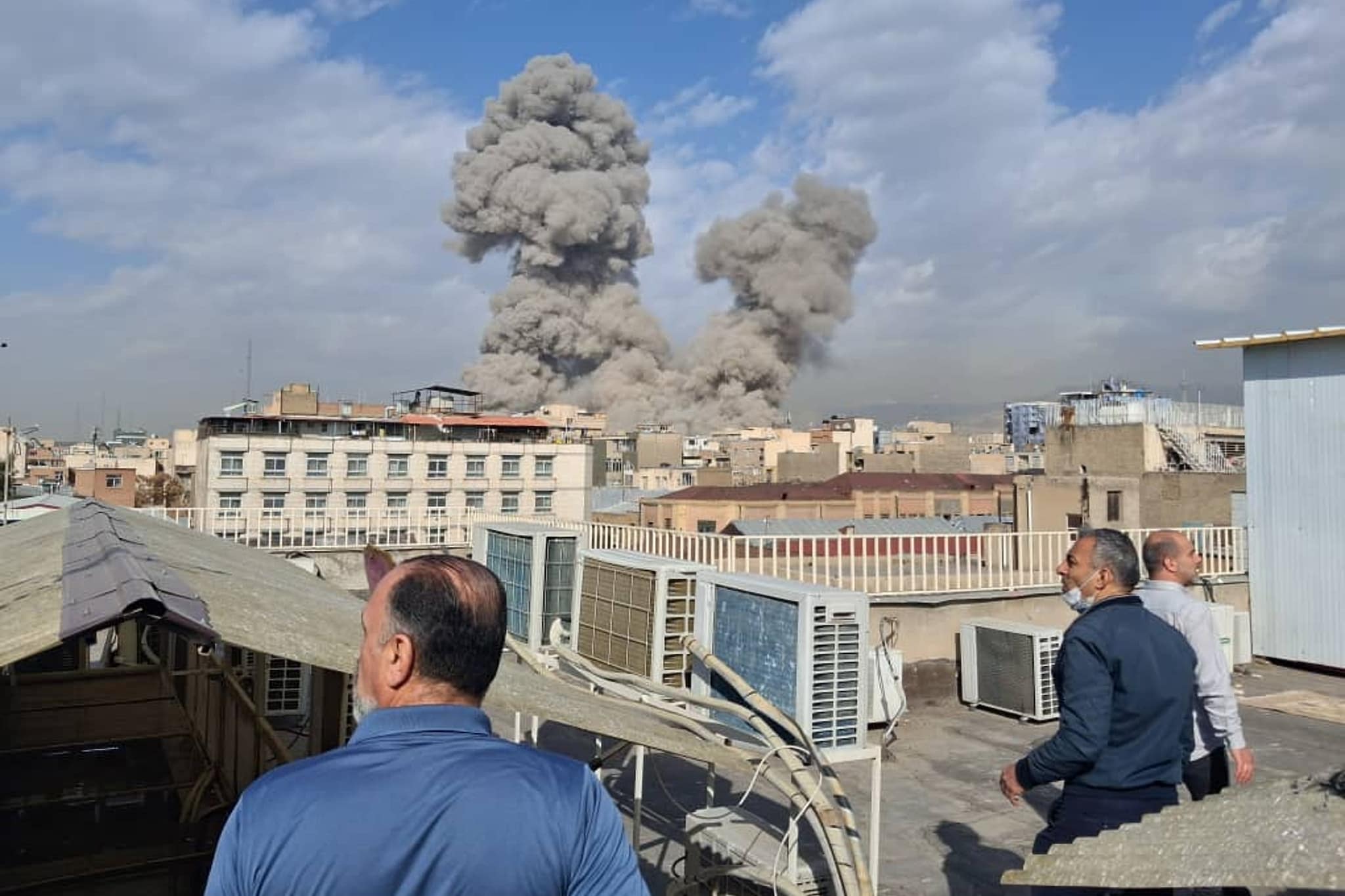
The strikes on Saturday, February 28, 2026, weren't just a "warning shot." They targeted nine cities, government ministries, and the Supreme Leader's compound. Trump's social media post announcing the death of Khamenei was a "triumphant" declaration of victory. He basically told the Iranian people: "We've done the hard part. Now, take your country back."
This is a total rejection of the "restraint" that defined his first term. Back then, he listened to advisors who warned of regional destabilization. In 2026, with Marco Rubio as Secretary of State and a more hawkish cabinet, those guardrails were gone. They've bet everything on the idea that the Iranian people will rise up and fill the vacuum left by the dead clerics.
What happens when the dust settles
Critics, like Ali Vaez from the International Crisis Group, warn that this is an "all-or-nothing struggle" for the remnants of the regime. They might still have sleeper cells, missiles, or "dirty" options. But the Trump administration isn't looking back. Vice President JD Vance has already promised that this won't be another "endless war." The plan is simple: hit hard, take out the leadership, and let the local population handle the "nation-building" part.
If you're tracking the markets or regional stability, the next 72 hours are everything. Watch for the Iranian Revolutionary Guard's (IRGC) reaction in the Strait of Hormuz. If they try to choke global oil supplies, Epic Fury might only be the first chapter.
Keep an eye on the internal power struggle in Tehran. With Khamenei reportedly gone, there's no clear line of succession that the public respects. This is the "single greatest chance" Trump talked about, but it's also a massive gamble that could redefine the 21st century.
Check the latest updates on regional troop movements and oil price fluctuations to see how the market is pricing in the collapse of the Islamic Republic.