Foreign policy decisions rarely happen in a vacuum. Domestic politics usually drive the timeline, and nothing illustrates this reality quite like the strategic pause in Washington's conflict with Tehran.
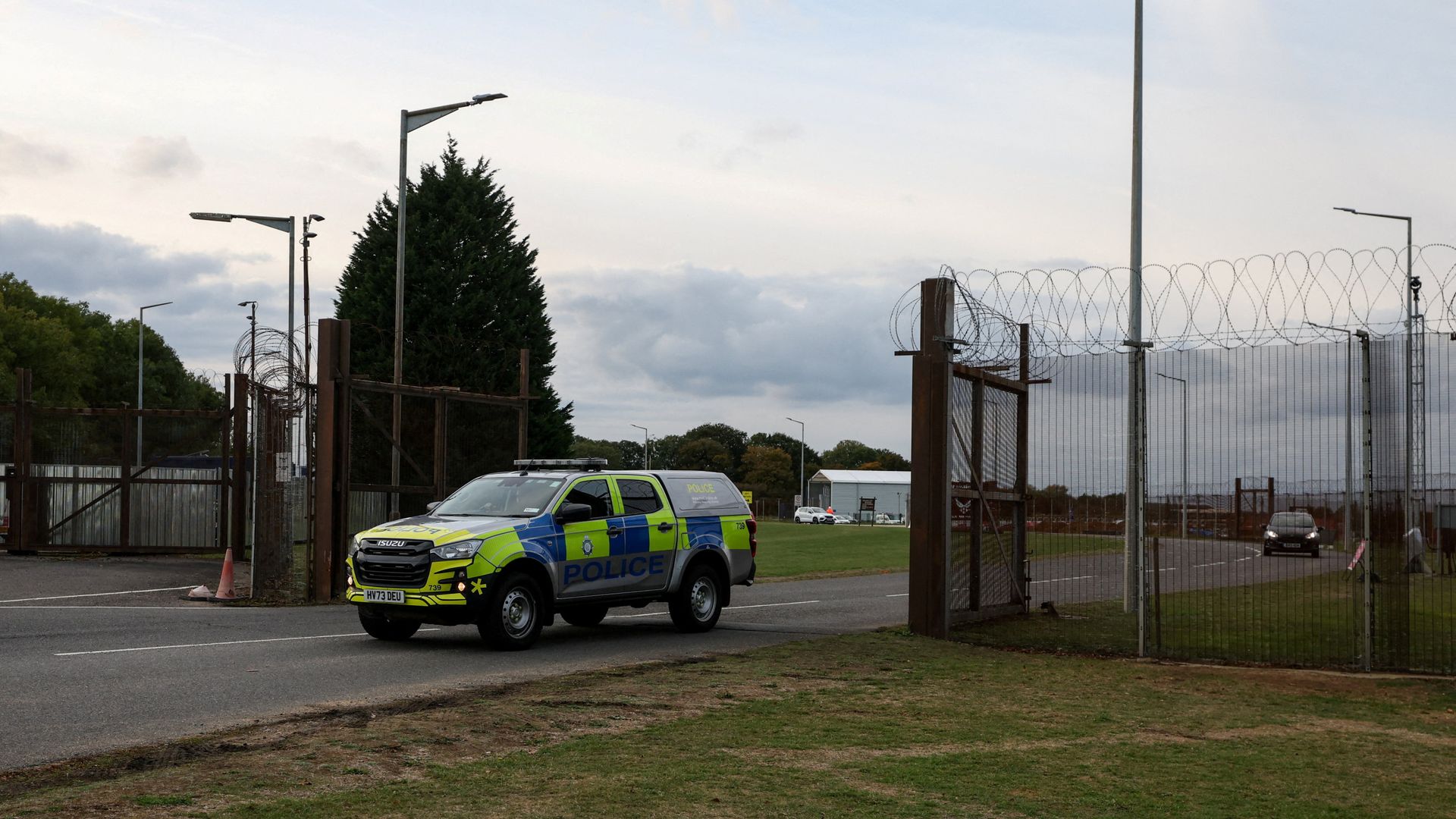
When Donald Trump announced that the United States would not launch a new military strike against Iran prior to the November 3 midterm elections, political analysts weren't surprised. The timing was transparent. Voters were heading to the polls while grappling with soaring gasoline prices, inflation, and economic anxiety directly tied to the ongoing military engagement. Pushing forward with an aggressive campaign right before ballots were cast would have handed critics an easy weapon. Recently making waves lately: Shadows Over the Wire Breach at RAF Lakenheath Exposes Growing Vulnerability.
The Real Cost at the Pump
Wars are expensive, but open-ended conflicts in the Middle East extract an immediate toll on everyday drivers. Disruptions in the Strait of Hormuz sent energy prices spiking across the country. When filling up the tank becomes a painful weekly chore, public sentiment turns fast.
Polling data leading up to the midterms showed steep drops in approval ratings, with voters questioning the endgame. Republican candidates found themselves on the defensive, forced to answer for economic headwinds that overshadowed other legislative priorities. By temporarily taking major escalation off the table, the administration tried to defuse a volatile domestic issue, even as naval assets remained stationed in the region. Additional information regarding the matter are covered by The Guardian.
The Stalemate Persists
A temporary pause on strikes doesn't equal a lasting diplomatic breakthrough. While administration officials pointed to ongoing discussions with Iranian counterparts, the two sides remained locked in a deep standoff.
Washington insisted on maintaining strict economic pressure and naval blockades, while Tehran weighed its counterproposals. Trump repeatedly claimed that Iran's infrastructure had taken massive blows, yet translating battlefield damage into a workable political settlement proved elusive. The strategy settled into a high-stakes waiting game where neither side wanted to blink first.
What Happens Next
Now that the midterm results are settled and the political landscape has shifted, the constraints that forced a temporary halt have changed.
The underlying strategic dilemma remains entirely unresolved. The administration faces a choice between pushing for a harder line or finding an acceptable negotiated exit before energy markets face another shock. How Washington navigates this post-election window will determine whether the current stalemate melts into diplomacy or escalates into another phase of open conflict.
Watch closely how the White House manages its regional posture and energy policies in the coming weeks. The real test of long-term strategy is just beginning.
Trump says the US will not attack Iran before midterm elections
This short video clip captures the official announcement regarding the strategic pause on military strikes ahead of the US midterm elections.