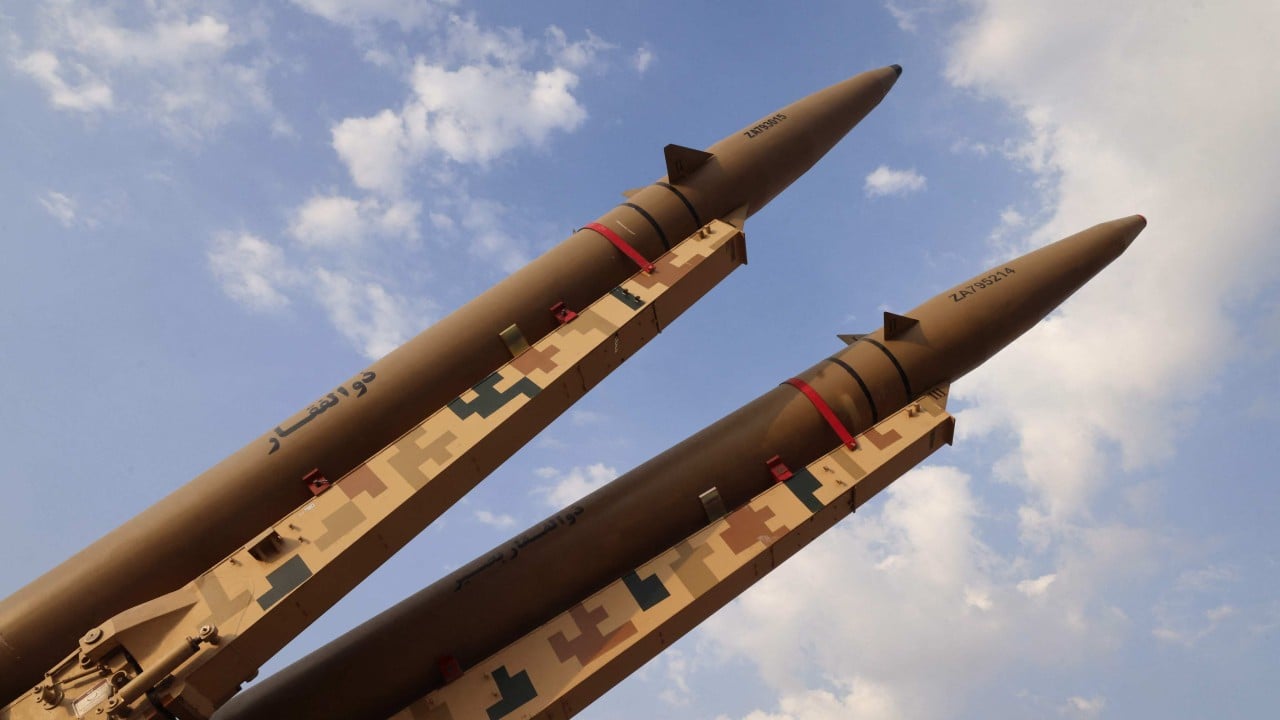
Forget the idea that a quick diplomatic fix is waiting around the corner in the Middle East. President Donald Trump made it clear that the United States has no planned talks with Iran, slamming the door on negotiations just as a 60-day diplomatic window expired.
If you thought the intense standoff in the Persian Gulf was winding down, recent developments prove otherwise. Regional violence is reemerging, shipping lanes are militarized, and both sides are digging in their heels.
The Reality Behind the Stalled Talks
Diplomacy rarely moves in a straight line, but right now, it isn't moving at all. After a 60-day period designed to test the waters for a lasting agreement, Washington walked away from the table. Trump insisted that the crucial Strait of Hormuz remains open and operating under a strict U.S. naval blockade, while Tehran counters that the waterway will stay throttled until the U.S. lifts sanctions, drops military threats, and releases frozen assets.
This isn't just standard political posturing. The stakes are massive. The Strait of Hormuz handles a huge chunk of the world's traded oil supply, meaning every stalled negotiation directly shakes global energy markets.
Meanwhile, regional proxies are keeping the conflict hot. Iran-backed Houthi rebels recently claimed drone and missile strikes targeting neighboring energy infrastructure and shipping vessels in the Bab el-Mandeb Strait. These flare-ups show that the theater of war extends far beyond Iranian borders, threatening a wider regional conflagration.
Why Washington Won't Back Down
Trump's strategy relies on maximum economic pressure and overwhelming military dominance. Rather than softening his stance, the administration maintains a powerful naval presence, which officials describe as an unyielding wall of steel.
The administration's calculus is straightforward: keep the economic screws tight on Tehran, enforce the maritime blockade, and refuse to offer concessions that look like weakness. Tehran's economy is already buckling under severe inflation and economic isolation, yet Iranian officials continue to signal defiance rather than surrender.
When local populations in Tehran voice readiness to endure further economic hardship over giving in to U.S. demands, you know the appetite for compromise is practically zero on both sides.
What Comes Next for Global Shipping and Security
The friction is moving past simple diplomacy and into volatile maritime logistics. Iran has explored alternative separate tracks, such as talks with Oman regarding management of shipping traffic, but Washington has made its displeasure known regarding any backdoor arrangements that undermine its total control of the corridor.
Expect maritime volatility to persist. Commercial vessels navigating regional waters face lingering threats from projectiles, mines, and localized skirmishes. Insurance rates for cargo ships will stay high, and energy prices will remain sensitive to every minor escalation in the Gulf.
Keep a close eye on official regional updates and shipping advisories rather than relying on empty promises of quick diplomatic breakthroughs. The standoff is settling into a long-term endurance test.
For real-time operational status updates on regional shipping lanes, review the latest notices from the UK Maritime Trade Operations.