Donald Trump says a massive, historic deal with Iran is right around the corner. Tehran says the US president is spinning a web of exaggerations and outright lies.
If you are trying to make sense of the dizzying, conflicting headlines surrounding the current US-Iran negotiations, you aren't alone. One day, Washington reports a tentative pact to cool off a three-month-old shooting war; the next day, Iranian state media claims no real progress has been made. The whiplash is real, but it makes perfect sense once you look at the starkly different political games both sides are playing.
The truth is much messier than the official statements suggest. While Trump brags about forcing Iran to give up its atomic ambitions, Iranian officials flatly deny that the core details of their nuclear file have even been put on the table. They are talking, sure. But they are definitely not agreeing.
The Massive Gap Between Trump's Claims and Tehran's Reality
Step back to the end of May 2026, when Trump told the public that the United States and Iran were finalizing a memorandum of understanding. He claimed victory, hinting that Iran had agreed to dismantle its nuclear material and reopen the Strait of Hormuz with zero conditions or tolls.
Tehran shot back immediately.
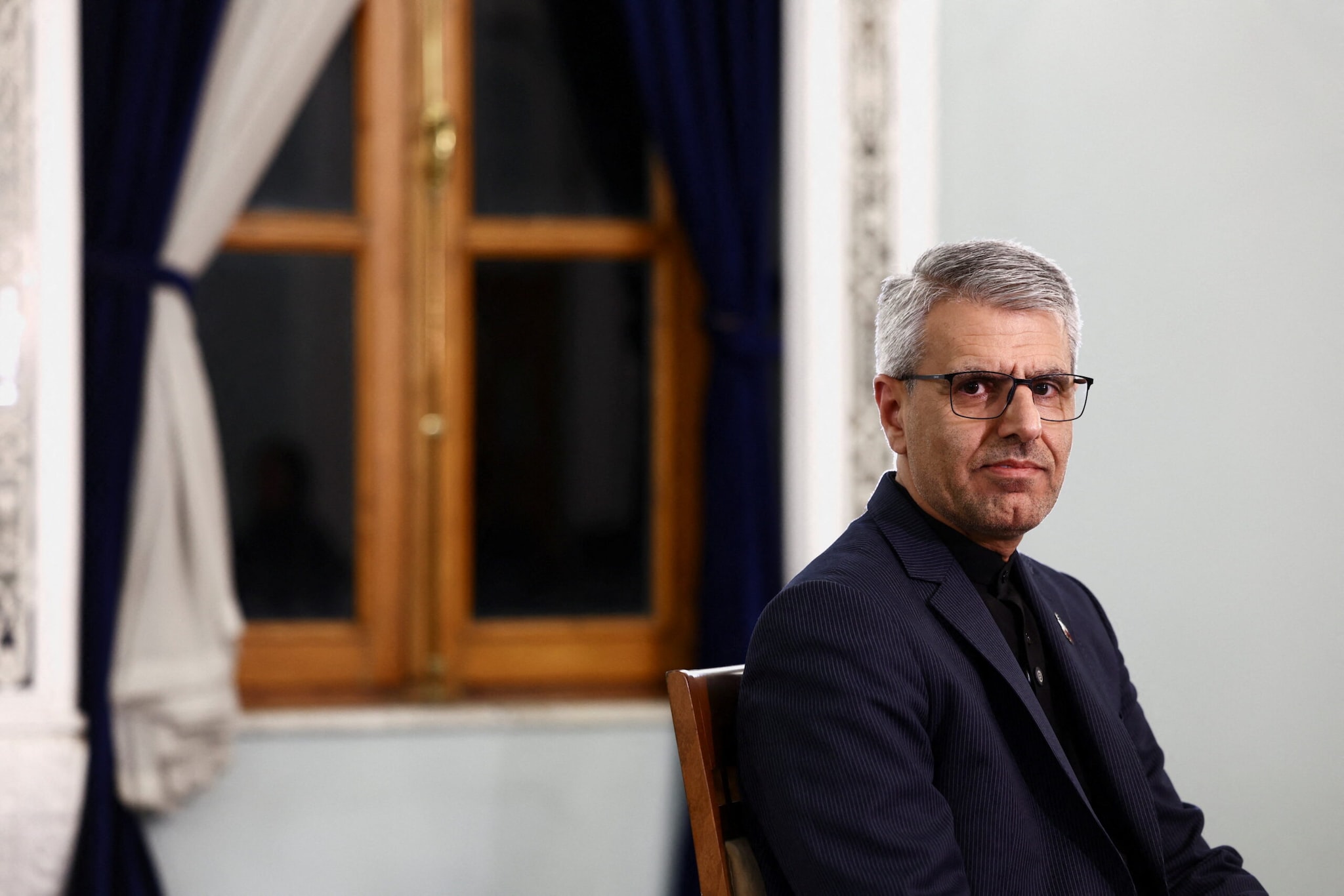
Iranian Foreign Ministry spokesman Esmaeil Baqaei clarified Iran's position directly. He stated plainly that no negotiations have taken place regarding the technical details of the country's nuclear file. From Iran's perspective, the immediate priority is ending the military conflict, not trading away its atomic leverage under pressure.
Media outlets affiliated with the Islamic Revolutionary Guard Corps (IRGC), including Tasnim and Fars News, went even further. They labeled Trump’s triumphal narrative as a mix of truth and lies. They pointed out that Trump is celebrating concessions that do not actually exist in the draft text currently being reviewed in Tehran.
What Both Sides Actually Want Right Now
To understand why these narratives clash so violently, you have to look at what each side needs to get out of these high-stakes talks.
Trump is operating on a familiar playbook. He uses maximum economic and military pressure—including a recent naval blockade on Iranian ports and direct military strikes—to force adversaries to the table. For Trump, selling a quick, decisive foreign policy win to the American public is crucial. He wants to frame the current 60-day tentative ceasefire extension as a complete Iranian surrender.
Iran has an entirely different set of immediate anxieties.
- The Lebanon Factor: Tehran insists that a permanent ceasefire between Israel and Hezbollah in Lebanon is a non-negotiable condition for any broader agreement with Washington.
- Frozen Assets: Iran demands the immediate release of billions of dollars in frozen funds held abroad due to US sanctions. They refuse to sign a preliminary deal until this cash is unlocked.
- The Naval Blockade: While Trump talks about opening the Strait of Hormuz on American terms, Iranian negotiators maintain they will only reopen the shipping lanes under their own security arrangements after the US completely lifts its naval blockade.
The War Underneath the Diplomacy
Do not let the talk of peace memos fool you. The diplomacy is playing out against a backdrop of active military violence.
Even as Vice President JD Vance confirmed that negotiators had reached a tentative 60-day ceasefire extension, American and Iranian forces were actively trading blows. US Central Command recently launched self-defense strikes against Iranian radar facilities and drone command centers. Meanwhile, Tehran accused the US of violating the fragile truce by hitting a telecommunications tower in a southern port city.
This ongoing violence gives you a clear window into the real strategy. Neither country trusts the other. Both sides are using the temporary calm of the negotiating room to regroup, test each other's boundaries, and prepare for the next inevitable round of escalation.
The Internal Backlash Inside Iran
The mere hint of a deal with Trump has sparked furious political infighting inside the Iranian government. Hardline lawmakers in Tehran are accusing the leadership of trampling over the country's red lines.
Members of Iran's parliament have openly questioned why the Islamic Republic should ever commit to Washington's demands regarding its nuclear capabilities. They view Trump as fundamentally unpredictable and untrustworthy. For Iranian hardliners, giving up highly enriched uranium in exchange for temporary sanctions relief is a losing bet—especially when Trump explicitly stated that Iran would not receive major economic relief just for stopping enrichment.
What Happens Next
Stop waiting for a grand, permanent peace treaty. It isn't happening anytime soon.
If you want to track where this conflict is actually heading, ignore the sweeping rhetoric from the White House and the angry denials from Tehran. Instead, watch these three concrete friction points over the next few weeks.
First, look at the frozen assets. If Washington refuses to blink and clear the path for Iran to access its seized cash, the current draft agreement will fall apart before the 60-day ceasefire expires.
Second, monitor the shipping lanes in the Strait of Hormuz. If Iran attempts to enforce its own tolls or cargo inspections when the blockade eases, expect the US military to respond with immediate force, effectively killing the talks.
Finally, keep an eye on Lebanon. If the conflict between Israel and Hezbollah continues to rage, Iran will likely walk away from the table entirely to preserve its regional proxy network. The technical details of Iran's nuclear program are completely sidelined for now, no matter what claims are made in Washington.
U.S. and Iranian negotiators reach tentative deal
This video provides essential context on the diplomatic friction, breaking down the tougher terms the White House is demanding versus the ground realities of the current ceasefire negotiations.