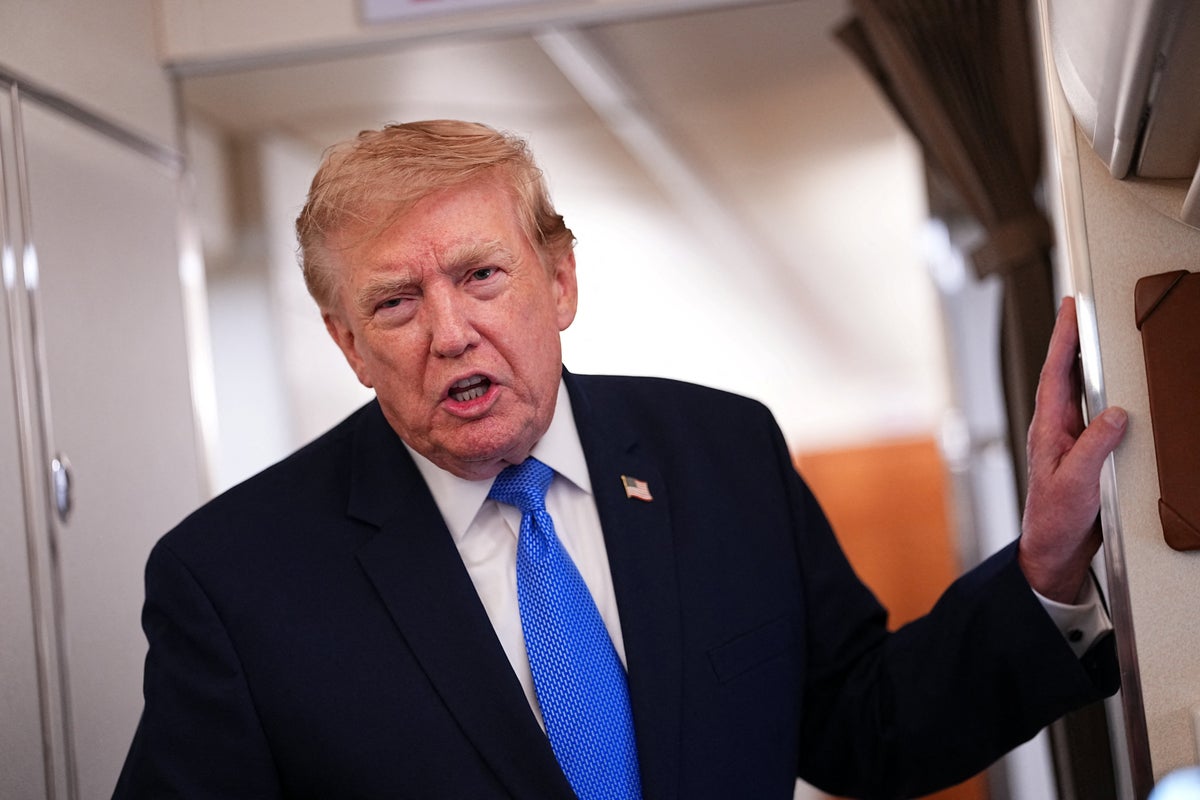
Donald Trump just hit pause on what military insiders called the largest planned aerial bombardment since World War II, claiming a breakthrough with Iran is imminent.
If you've been watching the headlines, you know the whiplash. One day the United States and Israel are locked and loaded for a massive wave of strikes against Iranian energy infrastructure, and the next, the White House is talking about regional diplomacy, reopening the Strait of Hormuz, and avoiding unnecessary casualties.
"I'm not looking to kill people," is the core message coming out of recent presidential statements, contrasting sharply with threats of total military destruction. But what is actually happening behind closed doors?
Behind the Sudden Pause in Military Strikes
The reversal didn't happen in a vacuum. Regional heavyweights like Saudi Arabia and the United Arab Emirates reportedly intervened, urging Washington to hold off. Saudi Crown Prince Mohammed bin Salman made a direct call to express grave concern over potential strikes targeting core energy assets, knowing full well that Tehran's retaliatory playbook involved hitting Gulf oil fields and regional gas infrastructure.
When oil markets react instantly—prices dropping more than five dollars a barrel on the news of delayed strikes—you realize how fragile the economic balance really is. Trump claimed that requests arrived simultaneously from multiple fronts asking for diplomacy to get a final chance.
Can a Lasting Agreement Survive the Rhetoric?
Skepticism runs deep on both sides, and for good reason. Previous frameworks, including the Islamabad Memorandum signed earlier in the year, frayed under the weight of deep-seated mistrust and violations.
Iranian state media and officials have occasionally dismissed Washington's framing of who requested the talks, maintaining that their armed forces remain on high alert. Yet, economic pressure tells a different story. Years of severe sanctions combined with recent military degradation have left decision-makers in Tehran facing grim realities.
The purported deal rests on two non-negotiable pillars from the American perspective:
- An immediate, total reopening of the Strait of Hormuz to restore global maritime commerce.
- A verifiable end to the Iranian nuclear threat, shutting down pathways to weaponization.
What Happens Next on the Ground
Negotiations are slated to kick off immediately, with regional mediators working overtime to bridge the gap. Trump insists that competing factions within the Iranian regime are currently divided over whether to take the deal or face catastrophic military consequences.
You have to look at the broader pattern here. The administration prefers a high-pressure negotiating stance—building maximum leverage through overwhelming force—before pulling back at the eleventh hour to secure a signature. Whether this specific diplomatic window yields a durable treaty or turns into another temporary pause depends entirely on enforcement mechanisms and whether Tehran actually halts enrichment. Keep your eyes on the shipping traffic through the Persian Gulf and actual trade data out of the Strait of Hormuz; that is where the real truth of this deal will show itself.