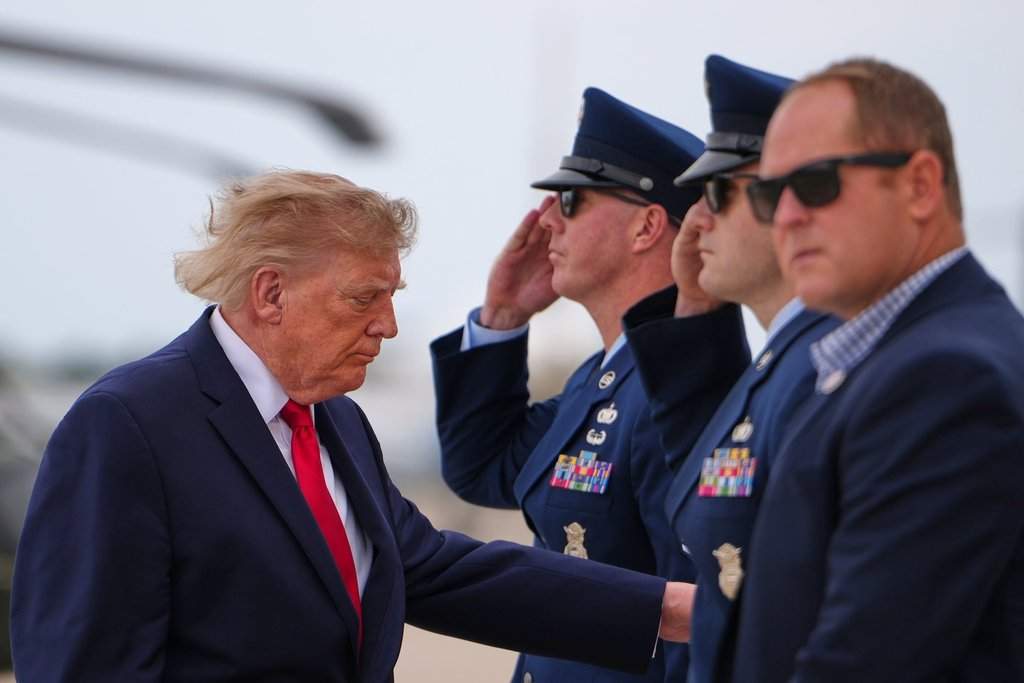
The global economy runs on oil, and right now, the throat of that supply chain is locked tight. US President Donald Trump recently dismissed a high-stakes proposal from Tehran aimed at breaking the deadlock over the Strait of Hormuz. Iran wanted a deal. They offered to unblock the vital shipping lane and restart nuclear discussions within a week.
There was a catch, of course. Tehran demanded that Washington lift naval blockades on Iranian ports, drop sanctions on oil sales, and enforce a ceasefire extending to Lebanon. Trump didn't bite. He flatly rejected the terms, claiming the proposal was a sign of pure desperation because Iran is losing badly. Expanding on this topic, you can find more in: The Man Who Wanted to Wear the Badge Without the Burden.
The Anatomy of a Chokepoint
Why does this specific waterway matter so much? Roughly a fifth of the world's petroleum passes through this narrow maritime corridor. When regional tensions escalated and kinetic exchanges flared between the US, Israel, and Iran, Tehran effectively shut down transit. Tanker traffic plummeted as threats and direct attacks turned the passage into a ghost zone.
The closure became a weapon of economic attrition. While military bombings grab headlines, the naval blockade imposed by Washington and the counter-blockade threats from Iran have choked economic flows across the region. Trump noted publicly that the squeeze on trade is working better than kinetic strikes. He wants maximum leverage, and he isn't ready to hand it back for a quick fix. Analysts at NPR have also weighed in on this situation.
What Tehran Is Demanding Behind the Scenes
Iranian President Masoud Pezeshkian and Foreign Minister Abbas Araghchi have tried to position Tehran as open to diplomacy while maintaining defensive pride. Their seven-day proposal was designed to test Washington's appetite for immediate relief.
The terms weren't subtle. Iran wanted structural economic oxygen:
- Immediate lifting of port blockades.
- Full waivers on international oil sales.
- A regional ceasefire including Lebanon.
From Washington's perspective, accepting these conditions meant giving up the upper hand before securing ironclad guarantees on the nuclear file. Trump's stance is simple. He believes time is on the side of the blockade.
The Broader Fallout for Global Markets
Energy traders are sweating through this standoff for good reason. Even as political figures talk about total victory or sustainable deterrence, regional neighbors are bearing the brunt of delayed infrastructure projects and disrupted shipping lanes. Gulf states find themselves caught in the crossfire of a geopolitical chess match they didn't start.
Iran's leadership insists the waterway will never return to its pre-war normal. They are pushing for deep structural changes to how maritime security is managed in the Persian Gulf. Meanwhile, the White House maintains that economic pressure will eventually force a total capitulation on nuclear ambitions without requiring another round of messy open warfare.
The standoff continues because neither side can afford to blink first. Washington wants a permanent surrender of nuclear capabilities, while Tehran wants its economic lifeblood restored before a single ship moves freely again. Until one side shifts its calculus, the Strait of Hormuz remains a high-stakes bargaining chip with the global economy held hostage.
Trump rejects Iran deal to reopen Hormuz
This video provides direct coverage and news broadcast footage regarding President Trump's rejection of Iran's proposal to reopen the Strait of Hormuz.