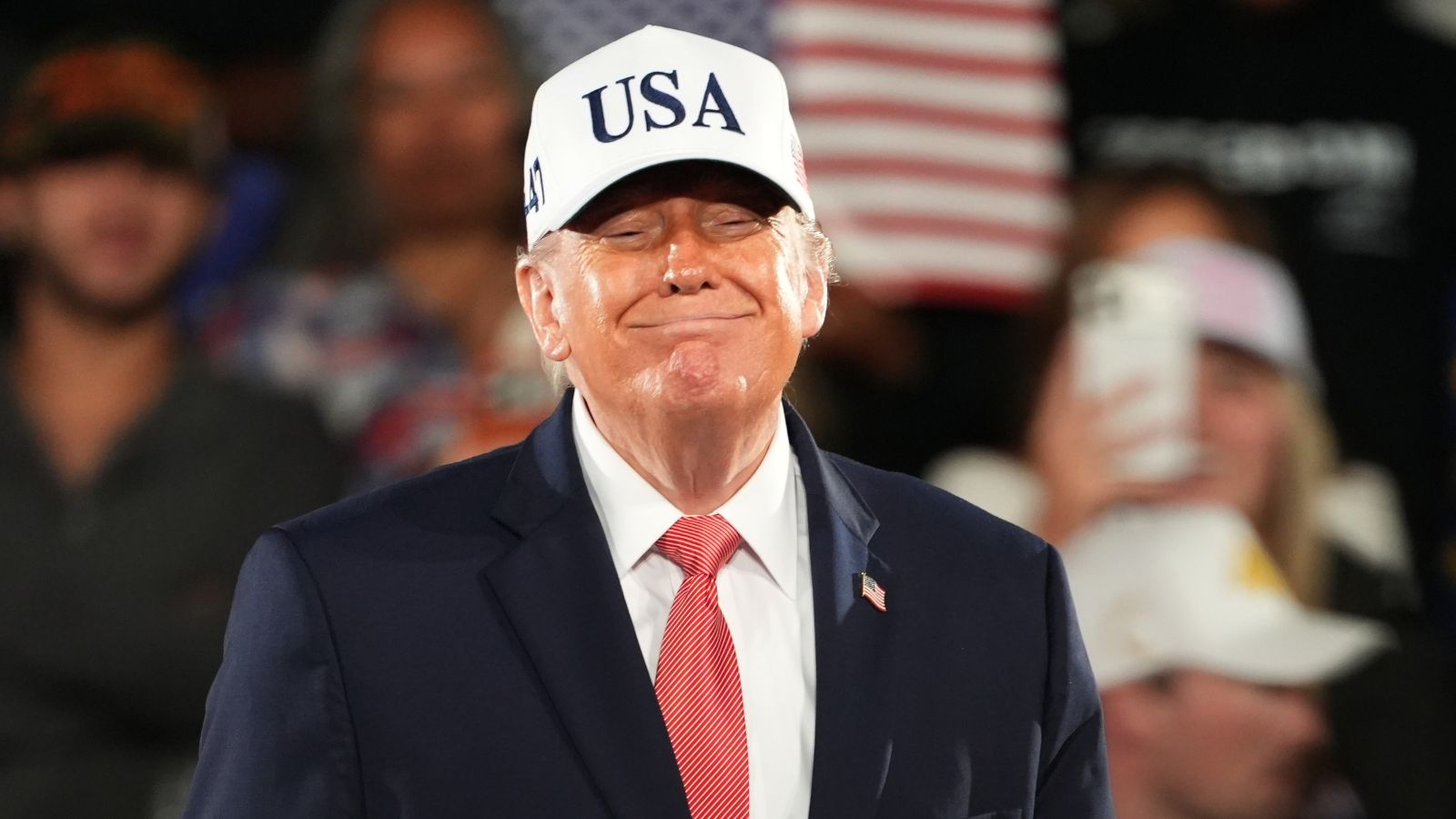
Donald Trump says the U.S. isn't holding direct talks with Iran right now, hinting that a resolution will come "fairly soon, one way or the other." If you've been watching the back-and-forth headlines over the last few weeks, that phrasing might sound like familiar posturing. It's not.
Between shift changes in military readiness across the Gulf, behind-the-scenes intelligence sharing from Tel Aviv, and shifting power dynamics on Capitol Hill following the 2026 midterms, the rhetoric marks a critical turning point. Washington is shifting from open-ended diplomatic theater to a strict timeline. For a different look, consider: this related article.
Understanding what is actually happening requires looking past the daily briefing clips. The real story sits at the intersection of intelligence reports, regional defense moves, and strict economic windows.
The Reality Behind Stalled Negotiations
Public diplomatic channels look dead on the surface. When Trump publicly stated that formal negotiations aren't taking place, he confirmed what regional diplomats have observed for weeks. Mediation through Qatari and regional intermediaries slowed to a crawl following draft proposals submitted late last month. Further analysis regarding this has been shared by USA Today.
That doesn't mean communication stopped entirely. It means the nature of the communication shifted.
Instead of traditional talks aimed at broad nuclear frameworks, Washington turned to direct ultimatum delivery. The current stance centers on two firm demands: total verified cessation of suspected underground nuclear efforts at locations like Pickaxe Mountain, and an immediate, unconditioned reopening of shipping corridors through the Strait of Hormuz.
Tehran’s leadership, under Supreme Leader Mojtaba Khamenei, responded by warning U.S. and Israeli forces that any renewed military strike would meet an unbounded response. Iranian officials insist their regional security positioning remains non-negotiable. That explicit standoff explains why Washington dropped the diplomatic pretense.
Military Movements and Joint Intelligence Operations
Why hint at a decision "very soon"? Because logistics force the timing.
Military operations of this scale don't run on indefinite schedules. Intelligence shared between U.S. officials and Mossad chief Roman Gofman highlighted growing concerns over Tehran's expanding weapons production capabilities. While Washington and Tel Aviv hold slightly different timeline assessments regarding specific underground facilities, both agree that Iran's current trajectory limits how long containment remains viable.
- Strategic Assets in Place: The deployment of U.S. Naval task forces near critical chokepoints like Qeshm Island isn't just about deterrence. It's about securing trade lanes that carry a vast portion of global energy exports.
- Intelligence Coordination: Israeli media reports indicate joint tactical planners have spent recent weeks drafting response scenarios for potential retaliation from Iranian regional allies.
- Target Specificity: Rather than a broad, sustained campaign, focus centered on key strategic infrastructure—specifically hardened underground facilities that require specialized bunker-busting capabilities.
Secretary of State Marco Rubio noted publicly that while military readiness is absolute, final execution orders depend on whether diplomatic pressure yields a structural guarantee against nuclear weaponization.
Domestic Politics and the 2026 Midterm Shift
Foreign policy doesn't happen in a vacuum. The internal domestic landscape in Washington changed significantly following the 2026 midterm elections.
With Democrats securing control of Congress, the administration faces a narrowing window to execute unhindered executive military actions. Lawmakers are already floating war powers resolution votes to limit unilateral presidential strikes. While the GOP-led Senate recently blocked immediate legislative restrictions, the political clock is ticking down to January.
Trump recently noted in broadcast interviews that while he is "not rushing into any decision" and could theoretically allow containment to drag out, the administration prefers a definitive resolution. Vice President J.D. Vance's recent pivot back to domestic economic priorities reflects an administration aware that prolonged military engagement risks further domestic political pushback.
Economic Pressures and Global Energy Markets
The economic stakes extend far beyond Capitol Hill. Prolonged volatility in the Strait of Hormuz has sent ripples through global energy markets. Oil futures fluctuate wildly every time a statement hints at renewed strikes or sudden peace breakthroughs.
During high-level diplomatic engagements involving global powers—including discussions with Chinese and Russian leadership—the status of the Persian Gulf energy flow remained a primary talking point. Beijing relies heavily on stable oil supply lines from the region. That shared economic requirement creates a strange, fragile common ground: no one wants a permanent regional freeze on shipping, but neither side wants to concede operational control.
Sanctions alone haven't forced a final diplomatic breakthrough. That's precisely why the current U.S. stance relies on a combination of strict economic blockades backed by imminent, explicit threats of targeted kinetic force.
Tracking Key Indicators Over the Coming Weeks
Instead of watching daily soundbites, keep your eye on concrete developments that signal which path Washington and Tehran will take:
- Diplomatic Movements in Qatar: Watch whether third-party mediators receive formal counter-proposals regarding weapons enrichment caps and international inspection access.
- Congressional War Powers Votes: Monitor how incoming leadership in Congress structures legislative oversight on Persian Gulf military deployments.
- Maritime Shipping Advisories: Track changes in commercial insurance rates and naval escort operations through the Strait of Hormuz.
- Joint Defense Briefings: Pay close attention to official U.S. Central Command releases regarding defensive posture adjustments in regional bases.
The era of indefinite status-quo management in the Middle East has ended. Whether through a sudden, enforced diplomatic framework or decisive military action, the standoff is approaching its breaking point.