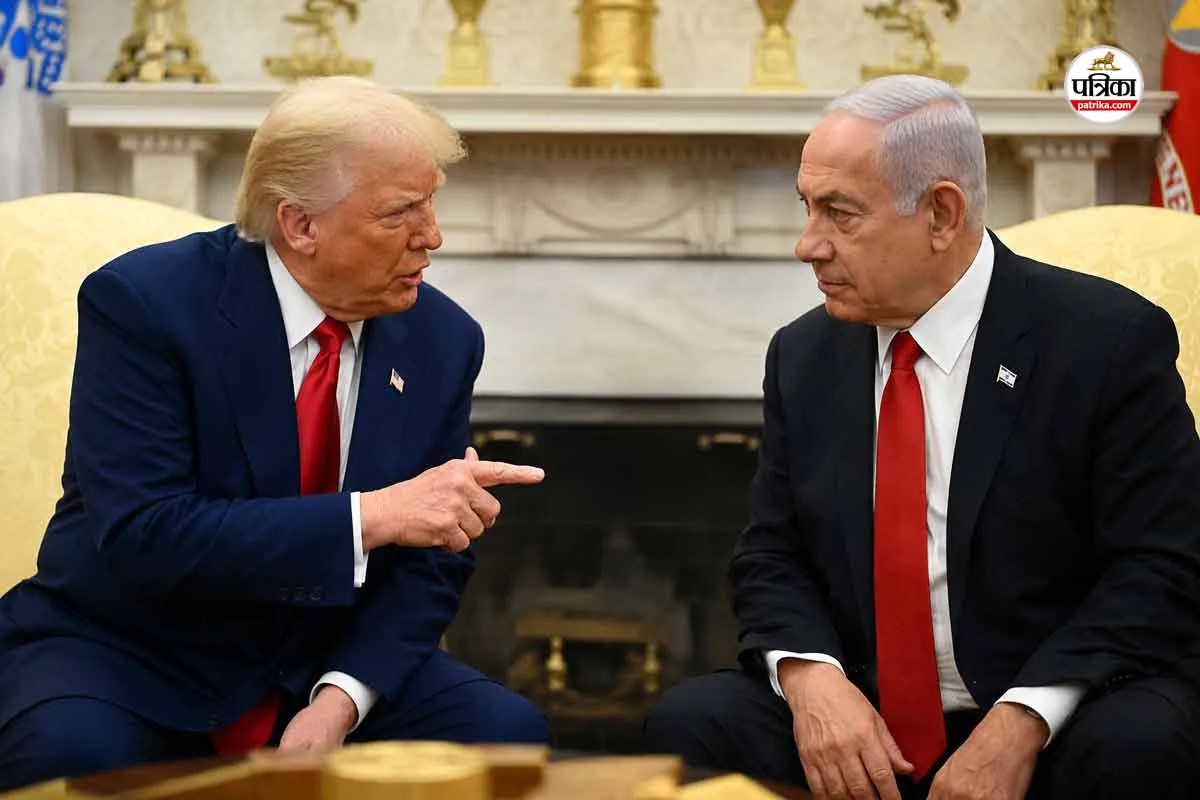
Donald Trump isn't playing the usual diplomatic games with Israel anymore. In a recent, blunt phone call, the US President told Israeli Prime Minister Benjamin Netanyahu exactly what he thought about the military footprint in southern Syria and Lebanon. The message was simple: pack up and get out.
"They don’t want you there. You should redeploy," Trump said, according to leaks from US and Israeli officials.
This isn't just a casual piece of advice from a friendly ally. It marks a massive shift in how the White House wants to manage the Middle East. For months, Washington has been quietly pushing for a new security matrix in the region, especially after the sudden collapse of the Assad regime in Syria back in December 2024. Trump wants deals, stability, and American troops out of regional crossfires. Netanyahu, on the other hand, is looking at a highly volatile domestic election in about three months and wants to keep tight military control.
The clash between these two strategies is creating a massive rift behind closed doors.
The Secret Meeting in Ankara That Changed Everything
You can't understand why Trump made this call without looking at what happened just 24 hours earlier. Trump sat down with the new Syrian President, Ahmed al-Sharaa, on the sidelines of the NATO summit in Turkey.
Right after that meeting, the US administration announced it was moving to strip Syria of its designation as a state sponsor of terrorism. Trump sees an opportunity to reshape Damascus and pull it away from Iranian and Russian influence. But there is a huge roadblock: the Israel Defense Forces (IDF) are occupying parts of southern Syria.
Local Syrian populations are already pushing back. We've seen regular protests and direct skirmishes between local residents and Israeli troops in the southern buffer zones. Trump realizes that these daily frictions could easily spark a brand new war, ruining any chance of a diplomatic breakthrough with the new Syrian government.
Lebanon and the Broken Rome Framework
It is a similar story on Israel's northern border. Back on June 26, Israel, Lebanon, and the US signed a trilateral framework agreement in Washington. The deal was straightforward: Israel agreed to withdraw its forces from two specific "pilot zones" in southern Lebanon. In exchange, the Lebanese Armed Forces would deploy to those areas and ensure they were completely clear of Hezbollah weapons.
But weeks have passed, and the IDF hasn't moved an inch out of those pilot zones.
During the phone call, Trump applied the exact same pressure regarding Lebanon. He wants the withdrawals executed immediately to keep the peace talks alive. Negotiations just restarted in Rome, but they are completely stalled because Netanyahu is dragging his feet. Israel says it wants absolute verification that Hezbollah is gone before pulling out; Lebanon says the US military should be the one making that call.
Netanyahu Primes for a Fight Over Border Security
Netanyahu isn't backing down easily. He immediately pushed back against Trump’s demands during the call, arguing that long-term military presence in these zones is the only way to prevent another tragedy like the October 7 attacks.
The Israeli Prime Minister's Office made their stance clear, stating that Netanyahu explicitly raised "the need for security zones along Israel's borders". Inside the Israeli cabinet, senior ministers are fiercely opposed to giving up an inch of ground. They view the current chaos as a shield.
There's also a bizarre domestic issue brewing inside Israel. Over the past few weeks, the IDF has actually had to physically remove right-wing Israeli civilian activists who crossed over the border trying to establish illegal settlements inside Syria. It creates a glaring contradiction: if the threat of jihadist incursions from Syria is so incredibly high, why are Israeli civilians trying to move there? Trump sees this internal friction as an unnecessary liability.
Where the Alliance Goes Next
This isn't the end of the US-Israel alliance, but the terms are changing fast. Netanyahu is reportedly planning an urgent trip to Washington to look Trump in the eye and negotiate a compromise.
If you are tracking this situation, keep your eyes on the Rome peace talks over the next few days. If Israel finally blinks and pulls back from those two pilot zones in Lebanon, it means Trump's pressure worked. If they stay dug in, expect relations between the White House and Jerusalem to get incredibly chilly, right when Netanyahu needs American backing the most. Look closely at the upcoming border deployment schedules and the official state department updates on Syria's terrorism status to see who wins this geopolitical game of chicken.
:max_bytes(150000):strip_icc():focal(749x0:751x2)/auschwitz-2-691cb034ee9e43cfa45a0969012c6337.jpg)