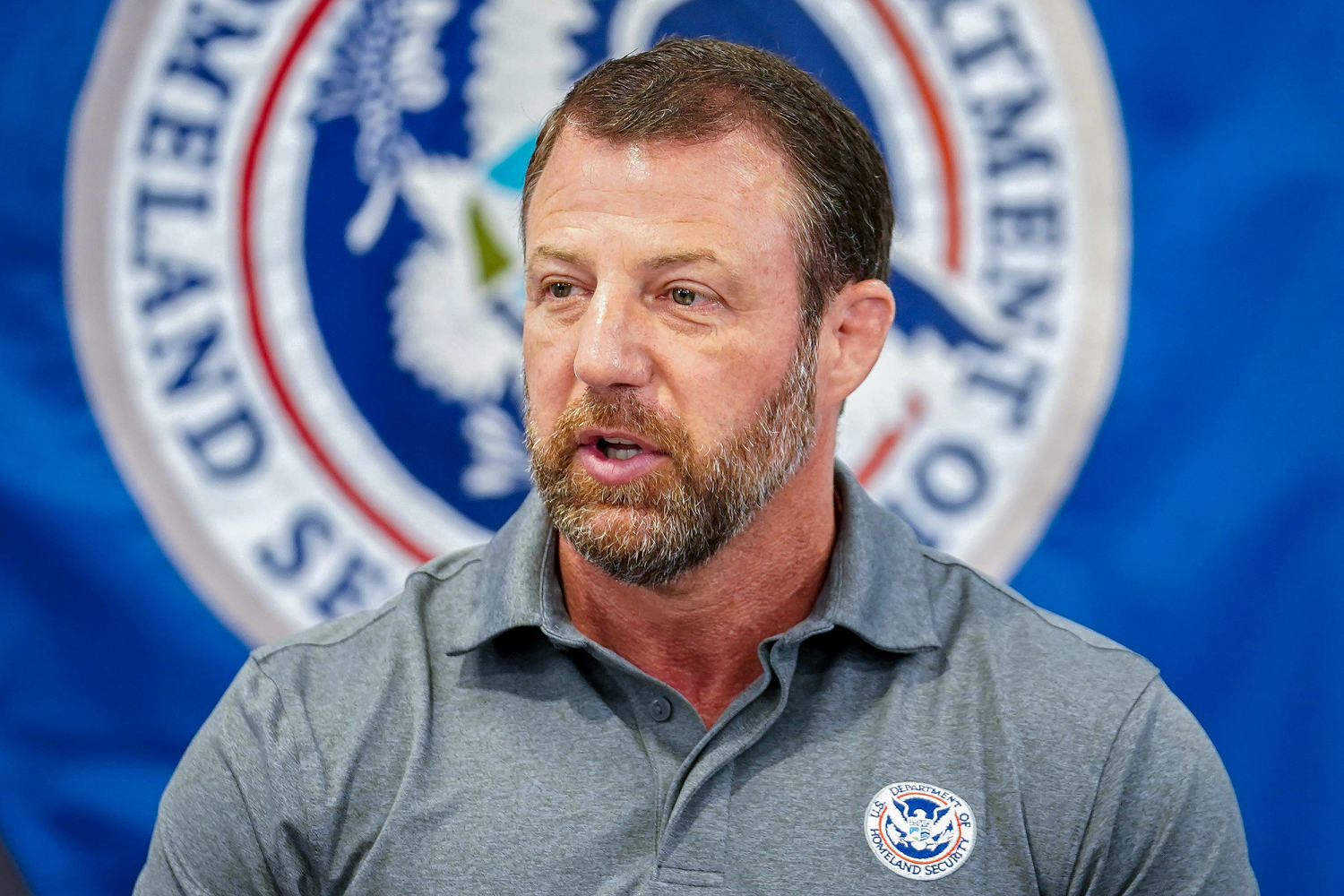
Diplomacy is theater. Sometimes, though, the theater reveals more than the official press releases ever will. When Donald Trump and Chinese President Xi Jinping sat down for a quiet morning tea in the White House Red Room, the cameras captured a very different energy than the usual icy standoffs defining superpower relations. Praise was exchanged. Smiles were shared. Pomp met circumstance.
Beneath the polished silverware and diplomatic pleasantries, a high-stakes chess match unfolded. If you only read the headlines about mutual admiration, you missed the entire point. Superpowers don't swap compliments because they suddenly became best friends. They do it when they need breathing room.
Inside the Red Room
The final morning of Xi's September state visit shifted away from the thunderous military arrival on the South Lawn. Gone were the 479 military personnel, the Army Herald Trumpets, and the roaring B-2 Spirit flyovers. Instead, the Red Room offered a controlled, intimate backdrop.
Trump kicked off the tea by praising the visit as a massive success, noting that "tremendous strides" were made. Xi returned the courtesy, complimenting the meticulous planning and execution of the entire trip. He described their leadership dynamic as two captains charting the course for the massive ship of bilateral relations.
It sounds smooth. It sounds cooperative. Yet veterans of foreign policy know that polished rhetoric often masks deep disagreements. Trump told reporters that "everything" was accomplished during the summit, while acknowledging that specifics wouldn't dominate every public briefing. Xi emphasized that while cooperation cannot solve every single friction point, it remains an absolute necessity.
The Contrast Between Pomp and Reality
Look closely at the choreography of the three-day summit. Trump went out of his way to offer an extravagant welcome, including personally greeting Xi at Joint Base Andrews—a rare protocol break reserved for very few foreign leaders in modern history. He showed off the new White House helipad and invited Xi inside Marine One.
Why roll out the absolute red carpet? Because optics matter immensely to both leaders. Trump wanted to project strength, personal deal-making capability, and total control over foreign economic levers. Xi needed a stable external environment to manage a sluggish domestic economic transition at home while trying to blunt the impact of aggressive U.S. technology curbs.
Critics immediately jumped on the warmth. Some foreign policy hawks argued that feting a strategic rival sends the wrong message to allies in the Indo-Pacific, particularly when territorial tensions flare up in the South China Sea. Others warned that trading compliments without extracting binding concessions on intellectual property theft or military coercion amounts to empty diplomacy.
Yet reality is messier. Total decoupling is a myth. Total alignment is a fantasy. Both nations are locked in a structural rivalry that neither leader can wish away with a cup of tea.
What Was Actually Decided on Trade and Technology
Beyond the cameras and the Red Room etiquette, what did the summit actually deliver? The concrete outcomes were modest, proving that symbolism vastly outweighed structural breakthroughs.
The two sides agreed to a framework involving favorable tariff treatment for roughly $30 billion worth of goods in each direction. Agricultural markets received a nod, with Trump expressing confidence that American farmers would be happy with forthcoming purchase commitments.
Then there is the elephant in the room: artificial intelligence. Both administrations agreed to formalize an AI dialogue, establishing a channel to discuss safety, risks, and crisis communications. This represents a rare area where Washington and Beijing share a mutual interest in setting guardrails. Unchecked autonomous escalation threatens both economies.
At the same time, fundamental roadblocks remain entirely untouched. U.S. export controls on advanced semiconductor chips stay firmly in place. Beijing's industrial overcapacity policies continue to irk Western manufacturers. The core architecture of technological competition hasn't shifted one inch. Trump wants rapid domestic innovation to outpace China, while Beijing demands fair treatment for its tech enterprises operating globally.
The Geopolitical Chess Match Behind Closed Doors
Trade and tech represent only half the ledger. The closed-door discussions tackled heavy geopolitical flashpoints where the two superpowers fundamentally disagree.
Taiwan remains the most volatile fracture line. While Beijing pushed hard for Washington to adjust its declaratory posture on Taiwan independence, the U.S. side maintained its traditional diplomatic ambiguity. Regional allies watched anxiously for any sign of a grand bargain over the island's future, but the administration held the line against altering core deterrence posture.
Iran and Russia also drew sharp scrutiny. Washington pressed Beijing regarding its economic lifeline to Moscow and its diplomatic positioning on Tehran. Xi offered standard reassurances about regional stability, but concrete shifts in Chinese foreign policy are rare.
Despite these friction points, both leaders walked away with immediate political wins. Xi secured high-level recognition as an equal global partner, helping stabilize domestic narratives. Trump secured prospective agricultural purchases and positioned himself as a master negotiator capable of managing the world's most dangerous bilateral relationship.
They even locked in future meetings, teeing up encounters at the APEC summit in China and the upcoming G20 gathering. The dialogue continues because stopping it carries an unacceptably high price tag for both capitals.
The tea in the Red Room wasn't about friendship. It was about managing a cold war so it never boils over into a hot one. Watch what they do next month, not what they smiled at today.