You can't just claim a critical global maritime chokepoint by speaking into a microphone at a New York political rally. Yet that is precisely what happened when U.S. President Donald Trump suggested he would soon declare the Strait of Hormuz American territory. Tehran didn't wait long to answer. Iranian officials shot back immediately, reminding Washington that empty rhetoric won't change who controls the oil route.
The Battle for the World's Most Important Waterway
The Strait of Hormuz isn't a sleepy river. It's the jugular vein of global energy logistics. Roughly a fifth of the world's petroleum and liquefied natural gas passes through this narrow passage between Iran and Oman. When the conflict in West Asia erupted in late February, Tehran moved quickly to throttle traffic and lock down the waterway.
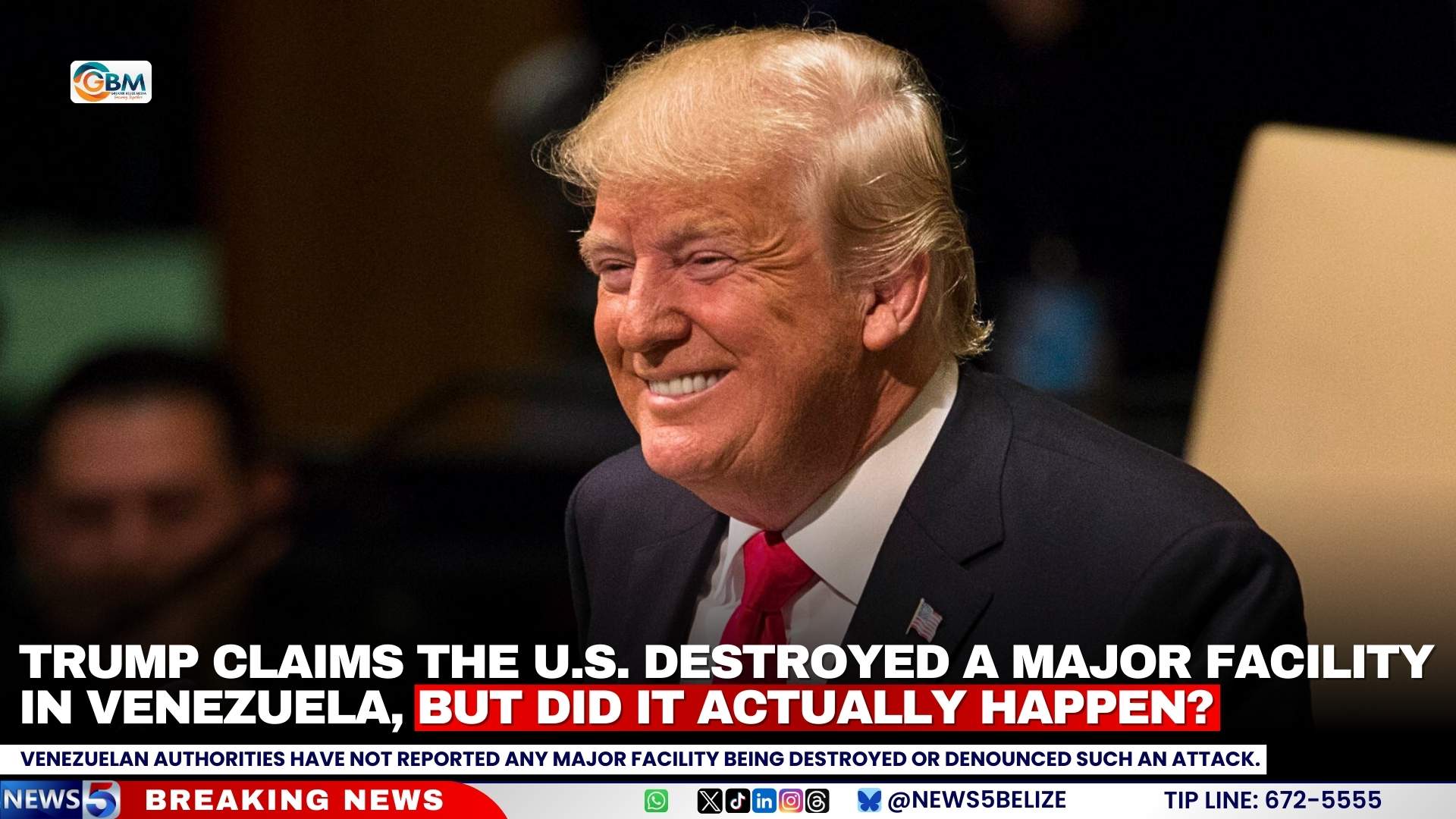
Trump insisted at a speech in Garden City, New York, that the U.S. military effectively runs the show. He claimed that after defeating Iran, he would officially designate the strait as U.S. soil because American naval blockades decide what moves and what stays put.
Tehran's response was swift and blunt. Kazem Gharibabadi, Iran's deputy foreign minister for legal and international affairs, took to social media to shut down the idea.
"The Strait of Hormuz has been Iranian, is Iranian, and will remain Iranian," Gharibabadi posted. He added that the waterway opens and closes strictly under Tehran's command, dismissing Washington's assertions as little more than political theater. White House insiders later tried to walk back the statement, whispering to reporters that the president was just joking. Nobody involved in regional shipping is laughing.
The Real Cost at the Pump
If you're wondering why this matters outside of diplomatic posturing, look at your local gas station receipt. Energy prices have climbed steadily since the standoff began. The white-hot political debate over affordability and inflation has turned the Persian Gulf into a frontline issue for domestic elections.
Trump defended the high prices to voters directly, arguing that paying a bit more at the pump is the price of keeping nuclear capabilities out of hostile hands. But voters and shipping authorities feel differently. Oil tankers face persistent threats, regional insurance rates have skyrocketed, and state-backed energy giants like Abu Dhabi's ADNOC have reported vessel attacks near the strait.
What Iran Actually Demands
Diplomacy hasn't stalled by accident. Tehran has laid out a demanding checklist for reopening the channel. Iranian leaders want an absolute halt to military operations in Lebanon, Palestine, Yemen, and Iraq. They want crippling international sanctions wiped out, frozen assets returned to their treasury, and heavy financial compensation for wartime infrastructure damage.
Washington refuses those terms. Instead, the U.S. maintains its own counter-blockade targeting Iranian ports, hoping economic suffocation will force Tehran back to the negotiating table. Meanwhile, independent talks between Iran and Oman explore alternative routing solutions, proving that local actors are trying to engineer their own workarounds while superpowers trade insults.
You cannot tweet away a sovereign coastline or seize international straits with an executive order. As long as tankers remain vulnerable and political posturing replaces genuine compromise, the global economy pays the toll.