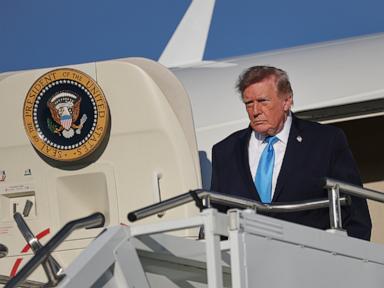
Rhetoric in American politics has reached a point where casual hyperbole routinely crosses into territory that leaves local communities reeling. When former statements or political remarks target specific geographic population centers, the fallout goes far beyond the typical news cycle. Donald Trump's remarks suggesting that major American cities like Los Angeles and San Diego could serve as acceptable collateral damage or points of impact in a hypothetical conflict with Iran sparked immediate outrage.
If you live in Southern California, hearing your hometown tossed around as an abstract price to pay feels surreal and deeply alarming. Let's look at why these comments created such a massive political firestorm and what they reveal about how national security rhetoric interacts with local reality.
The Speech That Sparked the Backlash
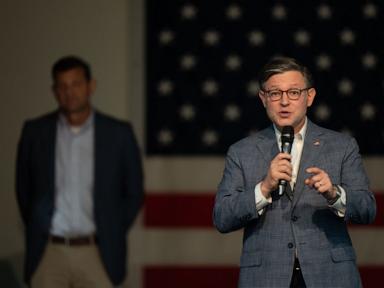
The controversy kicked off during a campaign rally in Nebraska, where the discussion turned toward the economic costs of foreign conflicts and rising fuel prices. Trump defended the administration's aggressive posture toward Iran by framing economic discomfort as a minor issue compared to broader geopolitical goals.
However, the phrasing quickly derailed the intended message. He suggested that allowing a hostile power to target domestic locations like Los Angeles or San Diego was a small price to pay to keep the country safe from nuclear proliferation. Attendees at the rally reportedly cheered, but the reaction thousands of miles away on the West Coast was entirely different.
Local residents and elected officials didn't view it as a clever rhetorical device. They viewed it as a direct dismissal of millions of American lives.
The Local Reality in Southern California
When national politicians use coastal metropolises as rhetorical props, they ignore the actual human and strategic weight of those places. San Diego isn't just a scenic coastal spot; it anchors critical military infrastructure, including major naval bases housing thousands of service members and their families. Dismissing the city as expendable ignores the very people wearing the uniform whom administrations claim to protect.
Similarly, Los Angeles represents a massive economic engine and home to nearly ten million residents who woke up to headlines about their city being used in a hypothetical bombing scenario. Local leaders pushed back aggressively. San Diego Mayor Todd Gloria publicly rebuked the remarks, noting that local residents are never collateral damage. California Governor Gavin Newsom took an even sharper stance, calling for intense scrutiny of the rhetoric coming from national political figures.
How the White House Tried to Spin It
Damage control from the administration started almost immediately after the clips began circulating on social media. White House spokespeople argued that the media took the quotes entirely out of context. The official defense claimed the phrasing meant to highlight the alternative—that without decisive action against foreign nuclear programs, domestic cities would face legitimate threats.
Subsequent rallies saw Trump attempting his own version of clarification, arguing that his preemptive stance actually saved those cities from catastrophic attacks. Yet, the initial phrasing proved difficult to walk back. In modern politics, the soundbite always outruns the nuanced explanation. Once you tell voters that their homes are an acceptable sacrifice, no amount of post-rally spin completely erases the impact.
Why This Kind of Rhetoric Fails Voters
Voters care about national defense, but they also expect leaders to treat domestic safety as a sacred trust. Treating major population hubs as theoretical game pieces alienates the very electorate required to sustain long-term political coalitions.
When national security debates devolve into casual mentions of domestic destruction, the conversation shifts away from policy and toward basic empathy. Californians of all political stripes share a simple expectation: the federal government exists to protect every zip code, not write off major cities for rhetorical effect.
Pay attention to how political figures frame local stakes moving forward, because words spoken at a distant rally quickly become the reality that local communities have to live with.
What Most People Get Wrong About Modern Political Rhetoric
This video provides additional context and breakdown regarding the political backlash surrounding the recent remarks on West Coast cities.